
Last updated November 24, 2026
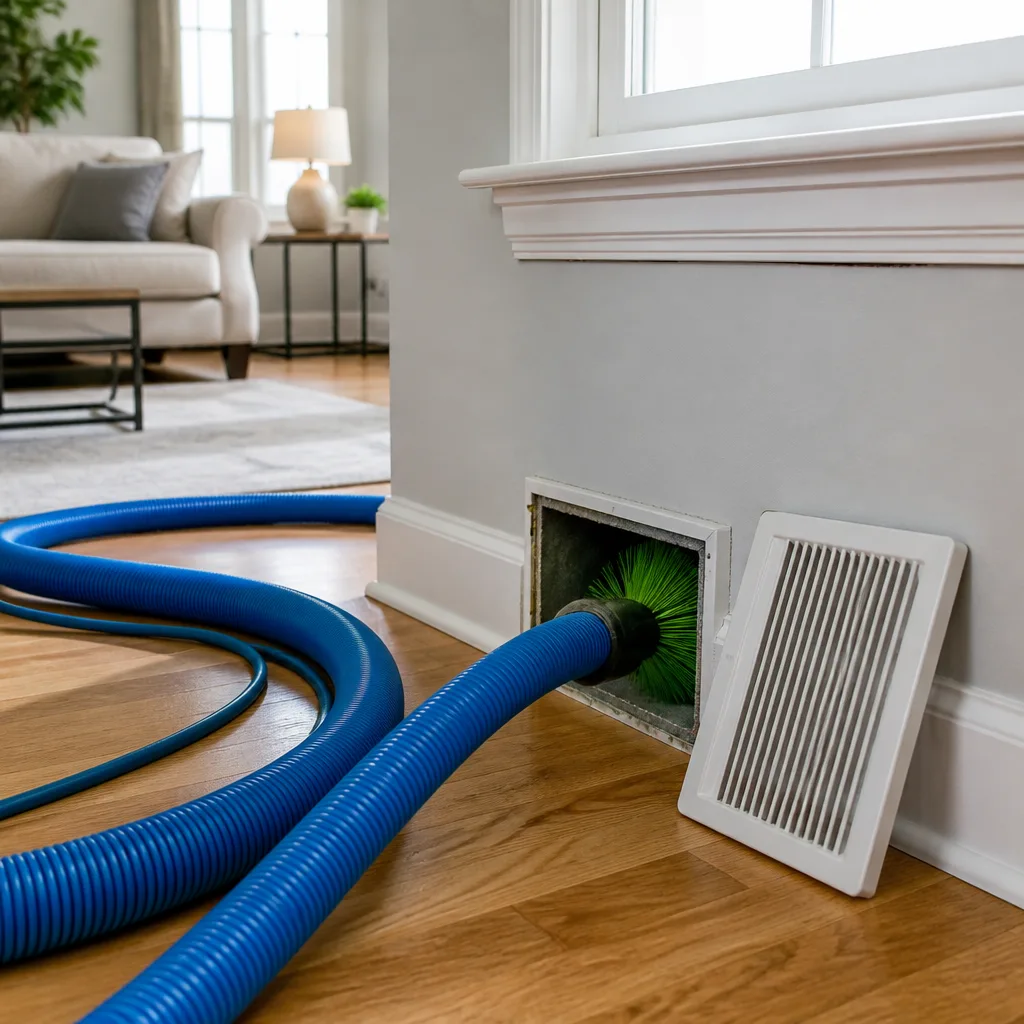 Whole-home duct cleaning
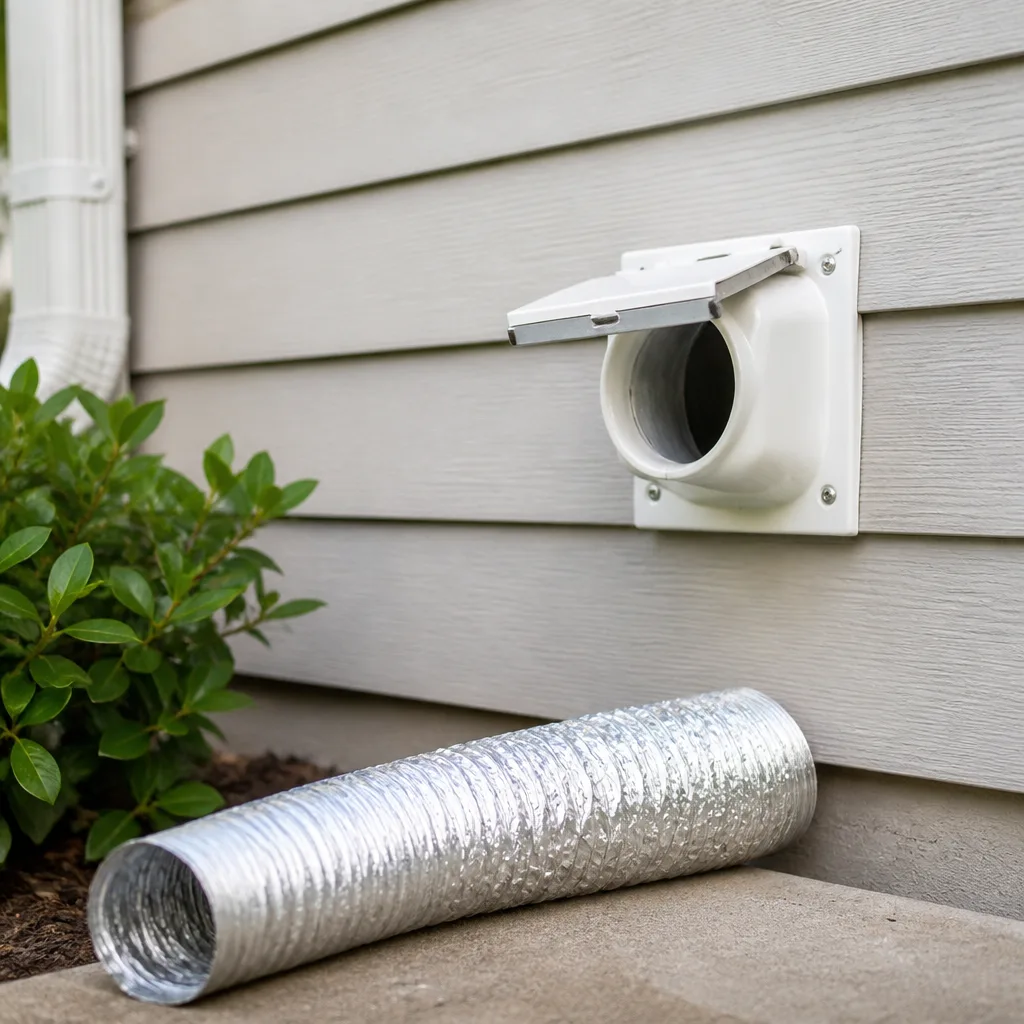 Dryer vent cleaning
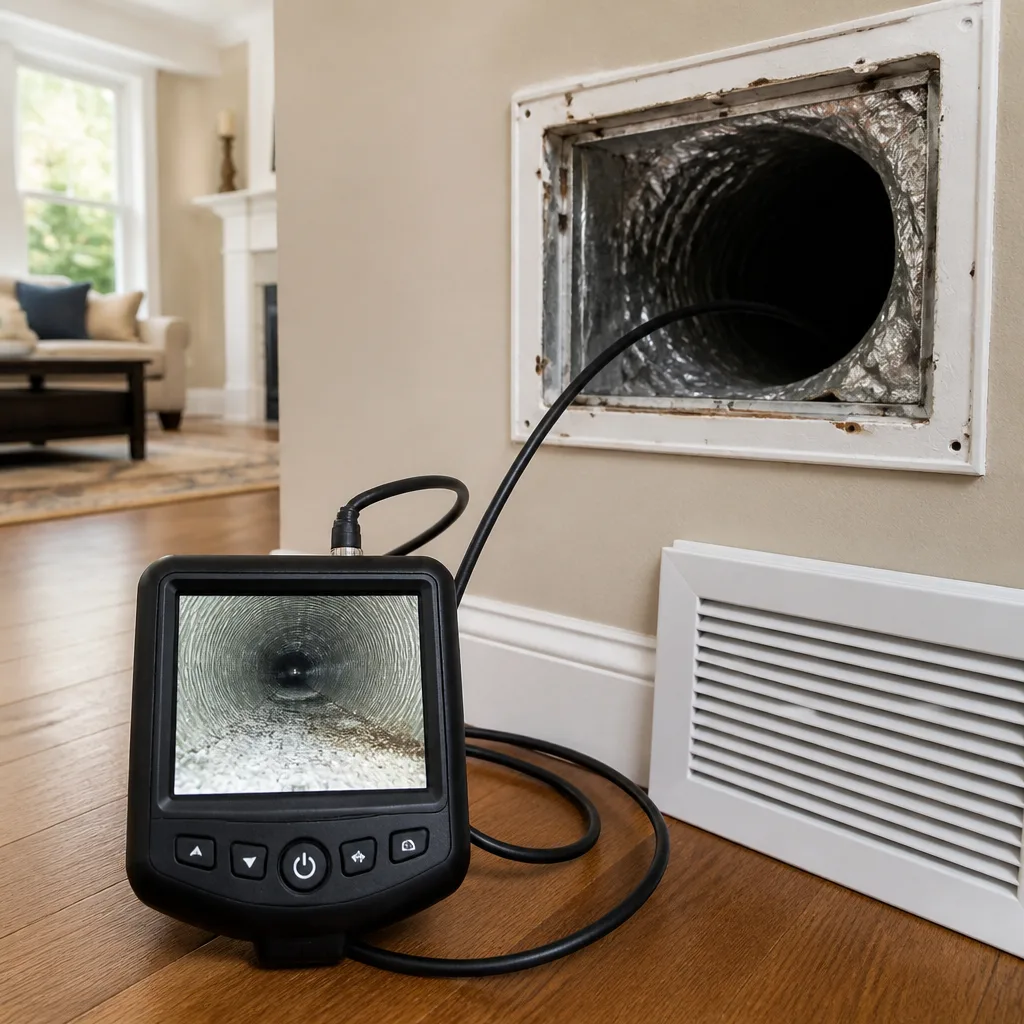 Camera inspection
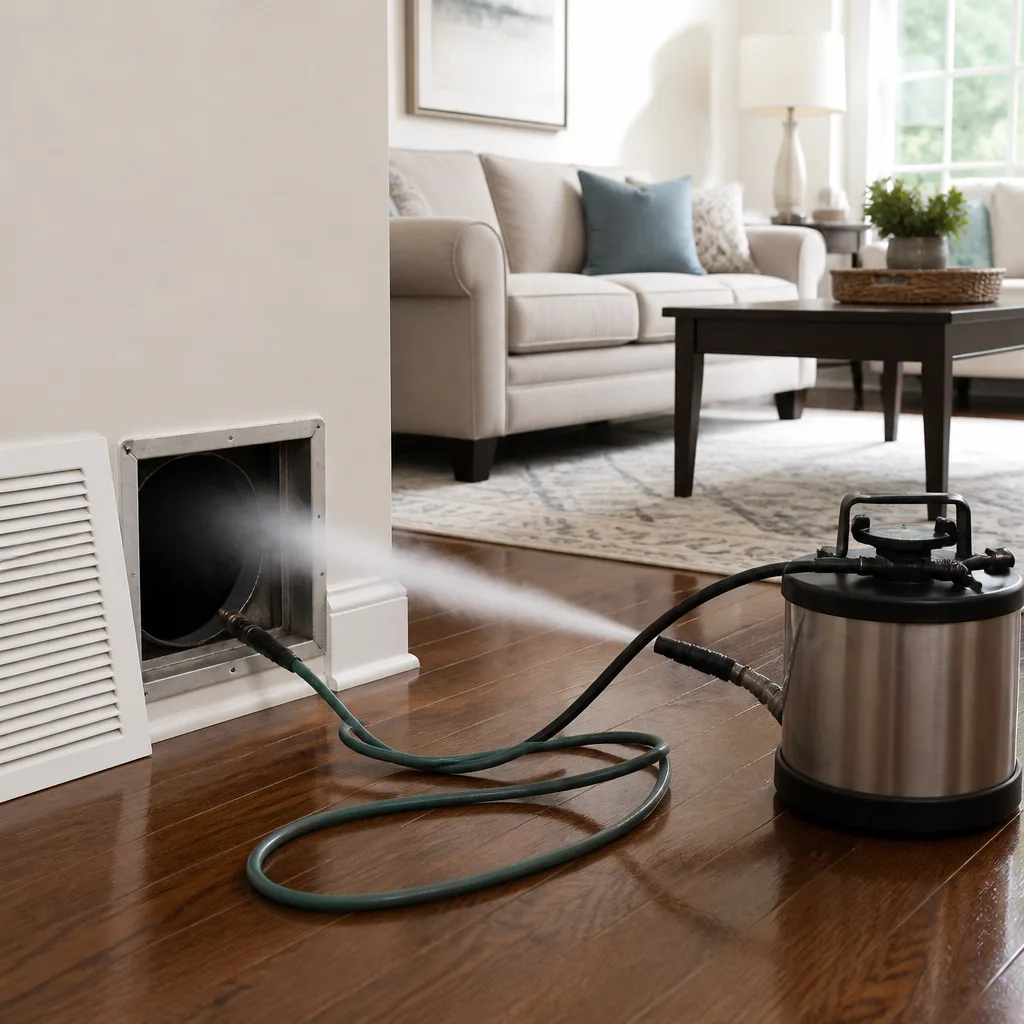 Sanitizing & deodorizing
Whole-system duct and dryer vent check with before-and-after photos - you see exactly what came out of your vents
That "$99 whole-house special" is a bait ad - the real number appears once they are in your hallway, or the "clean" is a shop-vac at the register. We photograph the inside of your ducts before and after instead.
The Complete Guide to Air Duct Cleaning in Draper
Most duct-cleaning advice you’ll find online was written for a house in a humid climate or an older neighborhood with decades of settled dust. That advice doesn’t fit Draper. Here, you’re living at roughly 4,500 feet in a valley that traps winter particulate matter, and a large share of the housing was built after 2010, which means many duct systems are still carrying drywall dust and construction debris from the day they went in. This guide treats the local environment as the variable and explains what that changes: what needs cleaning, how often, and what equipment actually does the job.
Quick Answer
In Draper, air ducts need professional cleaning when they’ve never been cleaned since construction, when visible dust or debris is coming from the registers, or when winter inversion seasons have loaded the system with fine particulate that a household vacuum can’t reach. A proper job means negative-pressure cleaning with a rotary brush and a HEPA-filtered vacuum at the source, a full inspection of the supply lines, return plenum, air handler cabinet and coil, and a post-cleaning verification you can review.
Styles & brands we work with
- Whole-home duct cleaning
- Dryer vent cleaning
- Camera inspection
- Sanitizing & deodorizing
Table of Contents
- Why Draper’s Geography Changes Duct Cleaning
- What Winter Inversions Do to Your Duct System
- New Construction and the Drywall Dust Problem
- The Equipment Standard: What Separates Real Cleaning from “Blow and Go”
- What a Full-System Inspection Actually Covers
- How to Read a Post-Cleaning Verification
- Dryer Vents: The Safety Service Most Homeowners Skip
- How Often Draper Homes Really Need Cleaning
Why Draper’s Geography Changes Duct Cleaning
Most guides assume your ducts collect ordinary household dust and a bit of pet hair. In Draper, the air itself carries more. The city sits in a bowl-shaped valley where cold air settles under warmer air during the winter months, and that temperature inversion traps particulate matter near the ground instead of letting it disperse. Your HVAC system is pulling that air through the return, through the filter, and into the ducts all season.
What that means in practice is a different kind of soiling. Fine particles settle in the ductwork in a way that ordinary dust doesn’t, and they cling to the sides of the supply runs rather than sitting loose where a shop vac could pull them up. When the system cycles back on, some of that material re-enters your living space.
- Altitude and dryness: At elevation, the air is drier, which changes how dust and debris settle and cling inside the ductwork.
- Valley inversions: Winter weather traps fine particulate near ground level, where your return intake is pulling.
- Rapid new construction: Draper’s post-2010 building boom means a lot of homes still carry construction-era debris.
- Cottonwood and seasonal pollen: Spring and summer bring fine plant material into outdoor air that the system draws in.
None of this means Draper homes are dirtier than anywhere else. It means the accumulation profile is different, and a generic one-visit vacuuming job written for another climate often leaves the finest and most persistent material in place. That’s the first thing to understand before you book any air duct cleaning service.
What Winter Inversions Do to Your Duct System
A temperature inversion is simple physics: a layer of warmer air sits above colder air near the ground, acting like a lid. The valley holds its air instead of mixing it with the atmosphere above, and any particulate suspended in that cold layer stays there. During the coldest stretches of the winter, that can mean days of concentrated fine particulate hanging over the valley floor.
Your home’s air handler runs during exactly this season. It draws return air through your filter and into the system, and some of the finest particles aren’t caught by a standard filter. They settle on duct walls, on the blower wheel, and on the coil. Over a single winter, a duct system can take on a light film of material that has nothing to do with how clean you keep your house.
This is why the standard “every three to five years” advice doesn’t map cleanly onto Draper. Homes here that run the system hard through inversion season tend to accumulate fine material faster than the general timeline suggests. If your family is sensitive to air quality, or you notice a mustiness that wasn’t there before the winter, that’s the signal worth paying attention to.
The most useful thing you can do is inspect after the inversion season ends, in spring, when you can see what a full winter of operation actually deposited. That inspection tells you whether the system needs a cleaning pass, and it’s a more honest basis for scheduling than a calendar rule written for another climate.
New Construction and the Drywall Dust Problem
Draper has added a large amount of housing since 2010, and every one of those new duct systems shares a problem: construction debris. Drywall dust, sawdust, joint compound residue, and insulation fibers work their way into the ductwork during the build. Most builders don’t run a full duct cleaning after the final walkthrough, and many don’t recommend it, so the system goes into service carrying everything the build deposited.
When you move in and turn on the air for the first time, you’re circulating that material through your living space. It settles into the supply runs, the return plenum, and the air handler cabinet. Over a few years it accumulates and starts showing up as dust on surfaces you just cleaned.
If your Draper home was built in the last fifteen years and the ducts were never cleaned afterward, that’s the strongest case for a professional visit you can have. It’s not about maintenance. It’s about the construction residue that shouldn’t still be in the system.
Here’s how we’d approach that job:
- Inspect the full system, including the supply runs, the return plenum, and the air handler cabinet, to see where construction debris actually sits.
- Set up negative pressure with a HEPA-filtered vacuum at the main trunk so dislodged debris extracts from the system rather than dispersing into the home.
- Run a rotary brush through each supply run to break loose adhered material from the walls.
- Clean the air handler cabinet and inspect the coil for drywall dust and debris.
- Verify with before-and-after documentation you can compare against the starting condition.
That last step matters. A construction-era cleaning isn’t finished until you can see what came out and confirm the run walls and cabinet are clear.
The Equipment Standard: What Separates Real Cleaning from “Blow and Go”
The difference between a genuine duct cleaning and a “blow and go” is the pressure and filtration setup, not the number of registers they wave a hose at. A real job runs two machines in combination: a rotary brush that agitates material off the duct walls, and a HEPA-filtered negative-pressure vacuum that pulls loosened debris out at the source. Without both, you’re either disturbing material into the room or leaving it on the walls.
That’s why we run professional duct-cleaning systems from Rotobrush and Nikro, the purpose-built machines the trade uses for this work. They’re not shop-vac workarounds. The rotary brush reaches the full length of a supply run, and the extraction unit holds the system under negative pressure so everything loosened goes out rather than into the room.
Here’s what to look for in any duct-cleaning setup before you book:
- Rotary brush agitation: A spinning brush that turns inside the duct and contacts the walls along its length, not just the first foot from the register.
- HEPA-filtered negative-pressure vacuum at the source: The extraction unit connects at the main trunk and pulls air and debris out of the system, not into your living space.
- Access to the full system: Supply runs, return plenum, air handler cabinet, and coil all get inspected and cleaned, not just visible registers.
- Documentation: Before-and-after photos of what came out of your system, so you can verify the job.
If you’ve ever had a cleaning where a technician spent ten minutes at each register with a small hose and walked out, that was not a full-system clean. If a company quotes you a per-register price, ask what happens to the return plenum, the main trunk, and the air handler cabinet. If the answer doesn’t cover those, you’re paying for a surface pass, not duct cleaning.
What a Full-System Inspection Actually Covers
A full-system inspection is the starting point of any real job, and it goes well beyond what you can see at the registers. Your duct system is a closed loop, and every part of it accumulates material. Here’s what a thorough inspection includes:
- Supply runs: Each branch line from the main trunk to the register gets checked for settled debris, construction residue, and airflow restriction.
- Return plenum: The collection point at the air handler, where dust and debris concentrate before the filter catches what it can.
- Air handler cabinet: The housing around the blower and coil, which is where debris bypassing the filter tends to settle.
- Evaporator coil: The cooling coil inside the air handler, which can collect dust, drywall residue, and biological growth if moisture is present.
- Filtration setup: Whether your filter is doing its job, and whether a whole-home system from a brand like Honeywell or Aprilaire would serve the home better than a basic furnace filter.
In Draper, the inspection often reveals one of two things. On newer homes, it’s construction debris in the supply runs and the air handler cabinet. On older homes, it’s accumulated fine particulate from years of inversion-season operation, settled into the return plenum and the coil. Both require the same approach: clean the full system, don’t just vacuum the visible parts.
The inspection also flags duct leaks. A leaky joint in the attic or crawl space pulls unconditioned air into the supply runs, and no amount of cleaning fixes that. That’s why we also handle duct repair and sealing as part of the same visit, closing the loop most cleaners skip entirely.
How to Read a Post-Cleaning Verification
A post-cleaning verification is the evidence your duct system was actually cleaned, not just disturbed. Without it, you’re relying on the technician’s word and a vague sense that the house smells different. With it, you can compare the starting state against the finished state at a glance.
Here’s what a useful verification should include:
- Before-and-after photos of your ducts: Images taken inside the supply runs, the return plenum, and the air handler cabinet, so you can see the change yourself.
- Notes on what was removed: Not just “cleaned” but what came out: construction dust, fine particulate, debris from the coil.
- Sealing record: If duct repair and sealing were done, which joints and seams were addressed.
- Filter condition: Whether the filter needed replacing, and whether an upgrade was worth recommending.
A company that can’t or won’t produce before-and-after documentation is asking you to take the work on faith. A verifiable job should be visible in the evidence, not just in the invoice. That’s the standard we hold to: air you can actually verify is cleaner.
Dryer Vents: The Safety Service Most Homeowners Skip
Your dryer vent is a fire risk, not a maintenance footnote. Lint is highly combustible, and a clogged exhaust line traps heat in the dryer and the vent. When the vent backs up, the conditions that start a fire are present every time the dryer runs. That’s why we treat dryer vent cleaning as its own dedicated safety service rather than an optional add-on.
In Draper, the risk profile is specific. Dry, high-altitude air doesn’t reduce lint accumulation; it just means the lint dries out faster. Homes with long vent runs, multiple elbows, or a vent that exits through the roof rather than a side wall are especially prone to buildup. If your dryer takes longer than one cycle to dry a load, or the exterior vent flap doesn’t open fully when the dryer is running, that’s a signal worth acting on.
Cleaning the dryer vent is straightforward when it’s done with the right equipment: a rotary brush run the full length of the vent, extraction of the loosened lint, and a check of the exterior termination and flap. It’s also one of the highest-value safety habits a homeowner can keep up with, and it’s often the first thing we look at when a customer calls about a dryer that isn’t performing.
How Often Draper Homes Really Need Cleaning
Generic advice says every three to five years. In Draper, that’s a starting point, not a rule. The right interval depends on your home’s age and the conditions it runs under.
- New construction (built since 2010, ducts never cleaned): Clean now, regardless of how recently the home was finished. Construction debris doesn’t clear itself out.
- Homes with allergy-sensitive occupants: Inspect annually and clean when the inspection shows accumulation, especially after inversion season.
- Homes with pets: Pet dander and hair load the return plenum faster; check every two to three years.
- Homes with whole-home filtration already installed: A well-maintained filter system from brands like Honeywell or Aprilaire slows accumulation, but it doesn’t eliminate it. Inspect every three to four years.
- Homes that show visible dust at the registers or notice mustiness: That’s a reason to inspect now, not to wait for the calendar.
The most useful thing to do is inspect rather than guess. An inspection tells you what’s actually in the system, and it costs nothing to find out.
For homes with whole-home air systems, HVAC cleaning is a natural companion to duct cleaning: the coil, blower, and cabinet get the same treatment as the duct runs, so the full system starts clean at once.
Common Mistakes to Avoid
- Booking by per-register price. A per-register quote means the return plenum, main trunk, and air handler cabinet probably aren’t in scope. Ask what’s covered before you agree to anything.
- Hiring a “blow and go” crew. If there’s no rotary brush and no HEPA-filtered negative-pressure vacuum at the source, the job isn’t a real cleaning. Material gets stirred up, not removed.
- Skipping the inspection. Cleaning without inspecting means you don’t know what’s actually in the system or whether there are leaks pulling debris back in.
- Ignoring the dryer vent. Lint buildup is a fire risk, and it doesn’t resolve on its own. If the vent hasn’t been cleaned in years, that’s a safety job worth scheduling.
- Assuming new construction means clean ducts. Homes built in Draper since 2010 often carry construction debris that was never removed. Check before assuming the system is clean.
- Skipping the sanitizing step when the coil is involved. Dust in the duct runs is one thing; a coil with biological growth is another. Sanitizing with Abatement Technologies equipment targets the source rather than just moving debris around.
- Not asking for before-and-after photos. Without documentation, you have no way to confirm the job was finished properly. Request it before the technician leaves.
See the difference
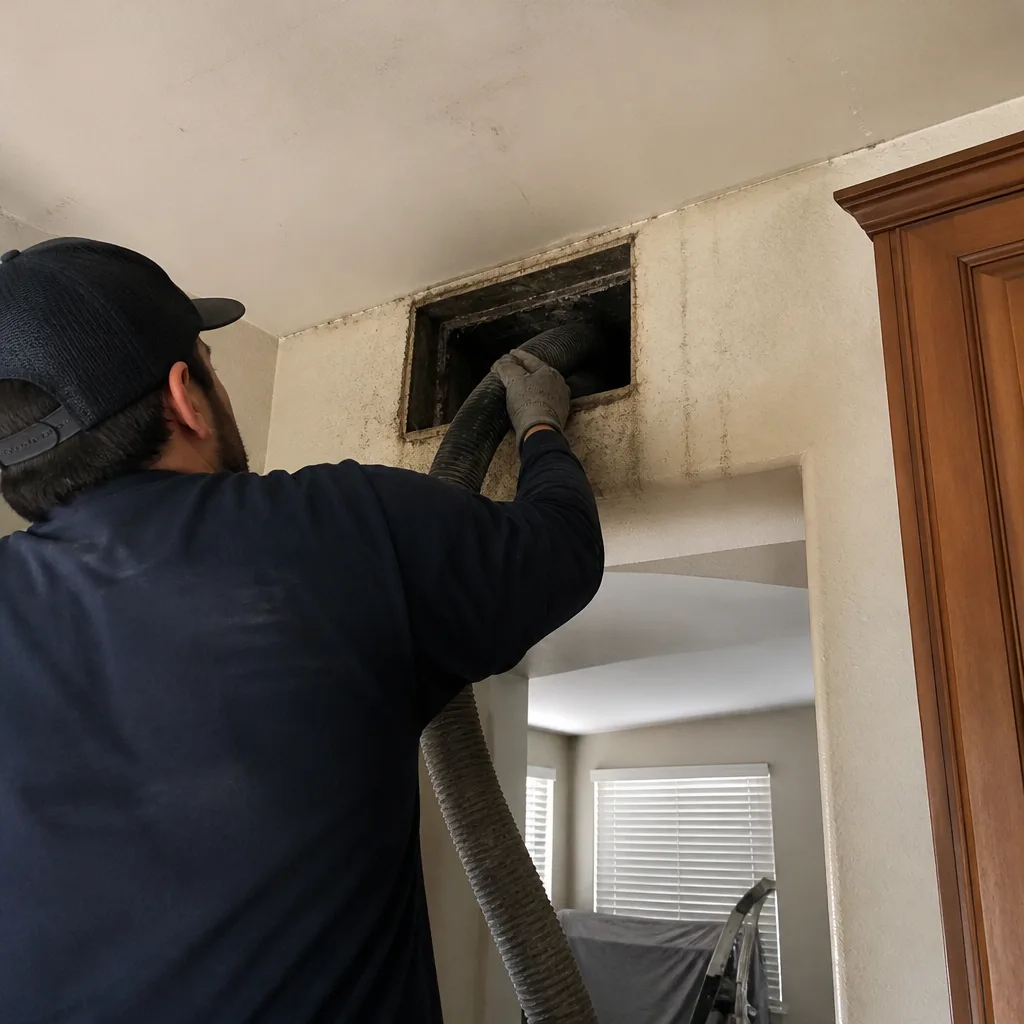 Before
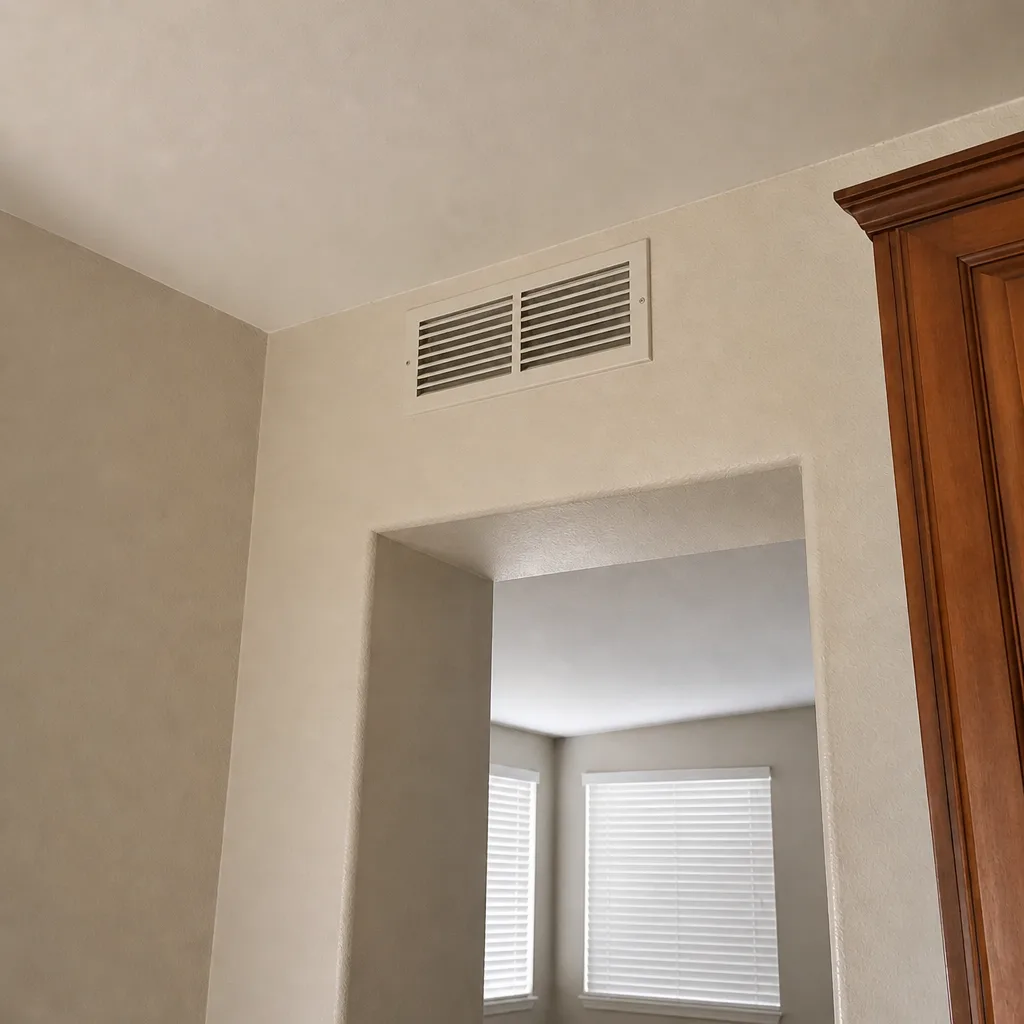 After
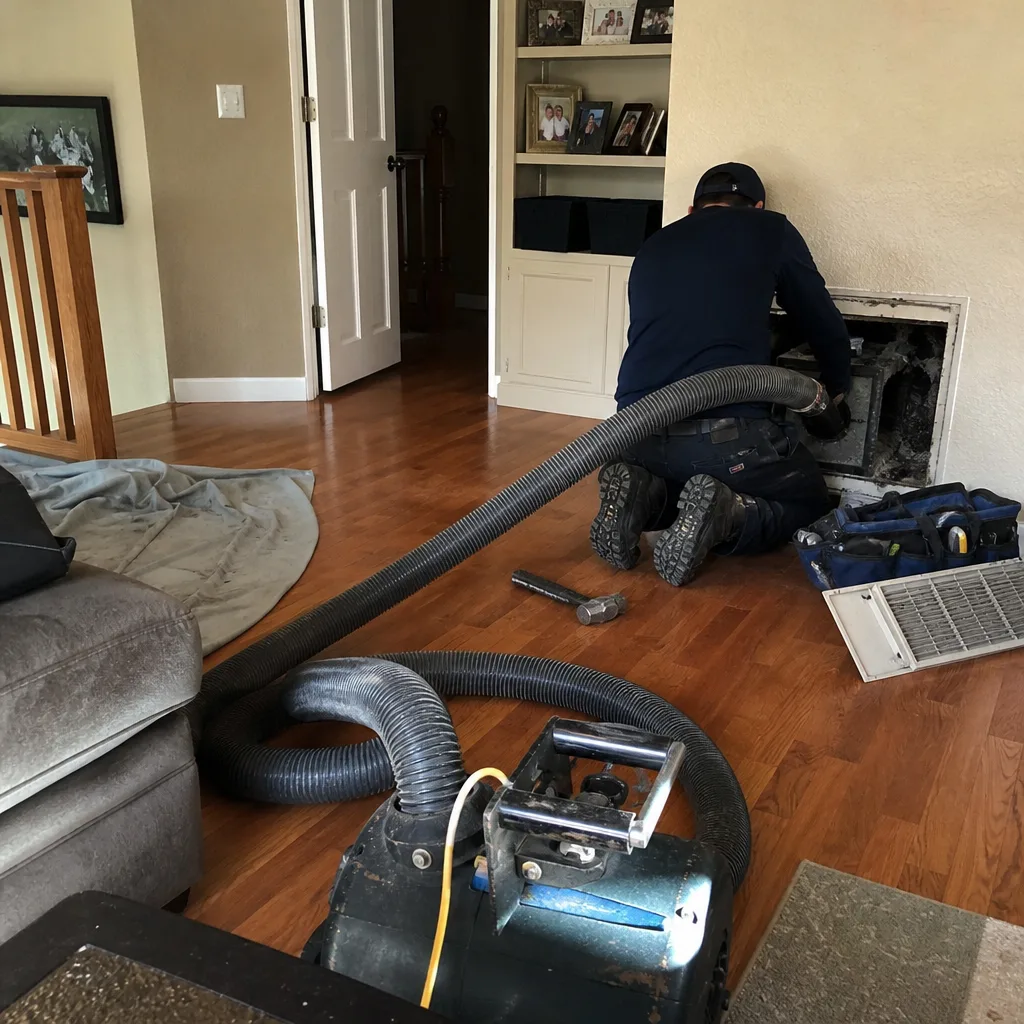 Before
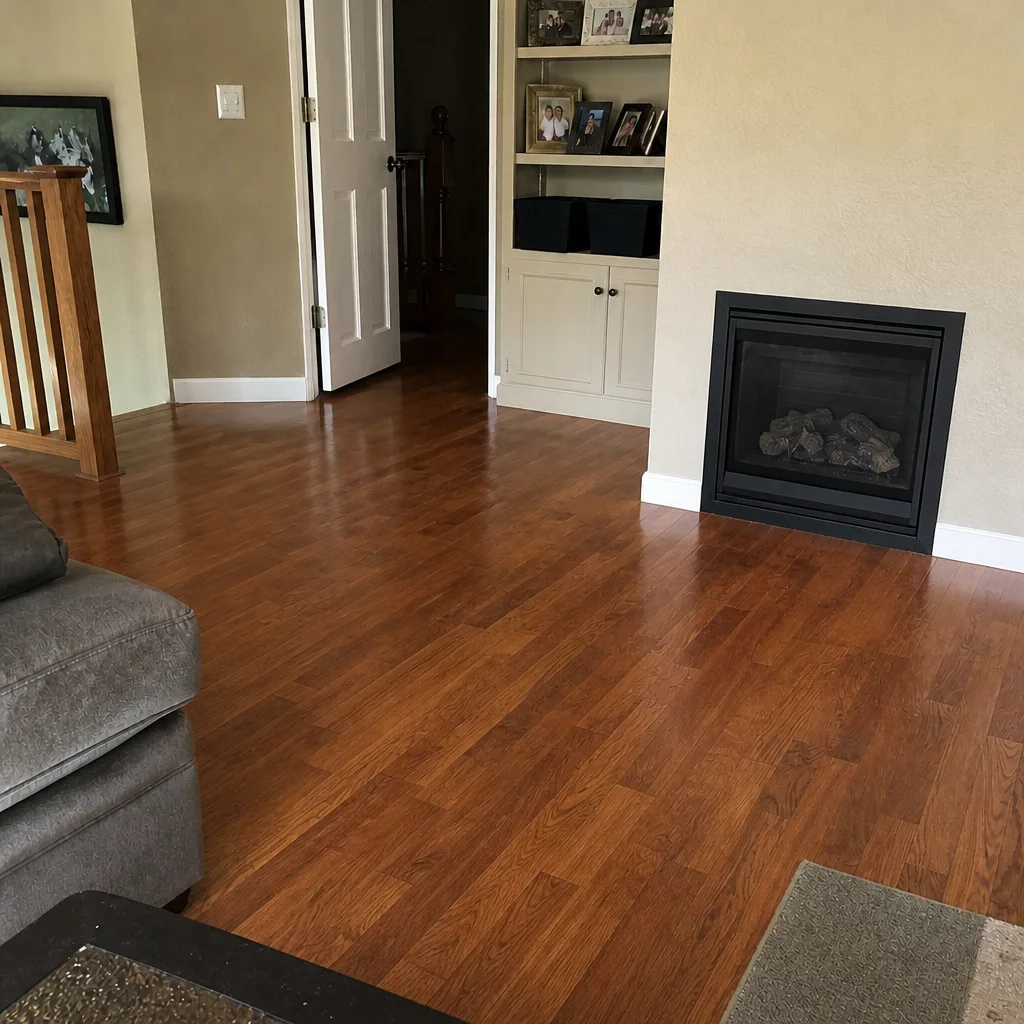 After
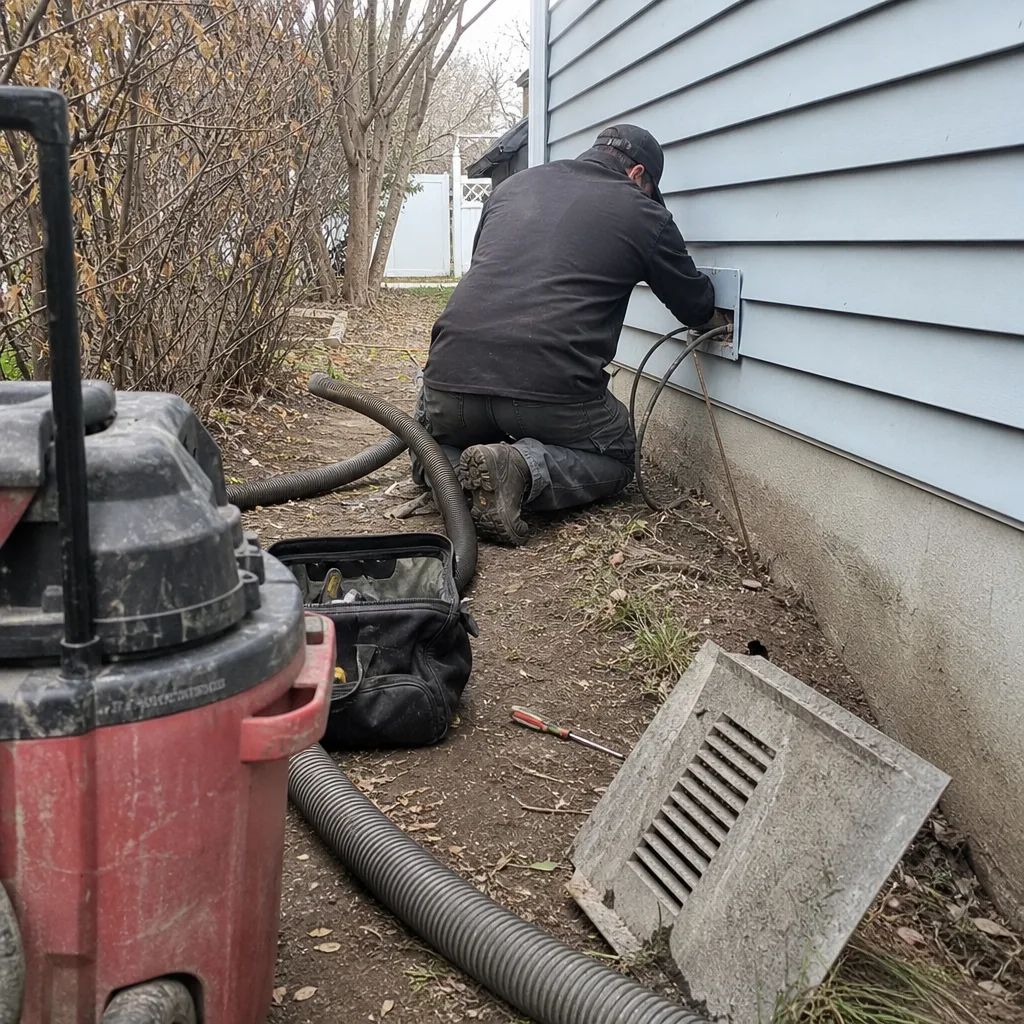 Before
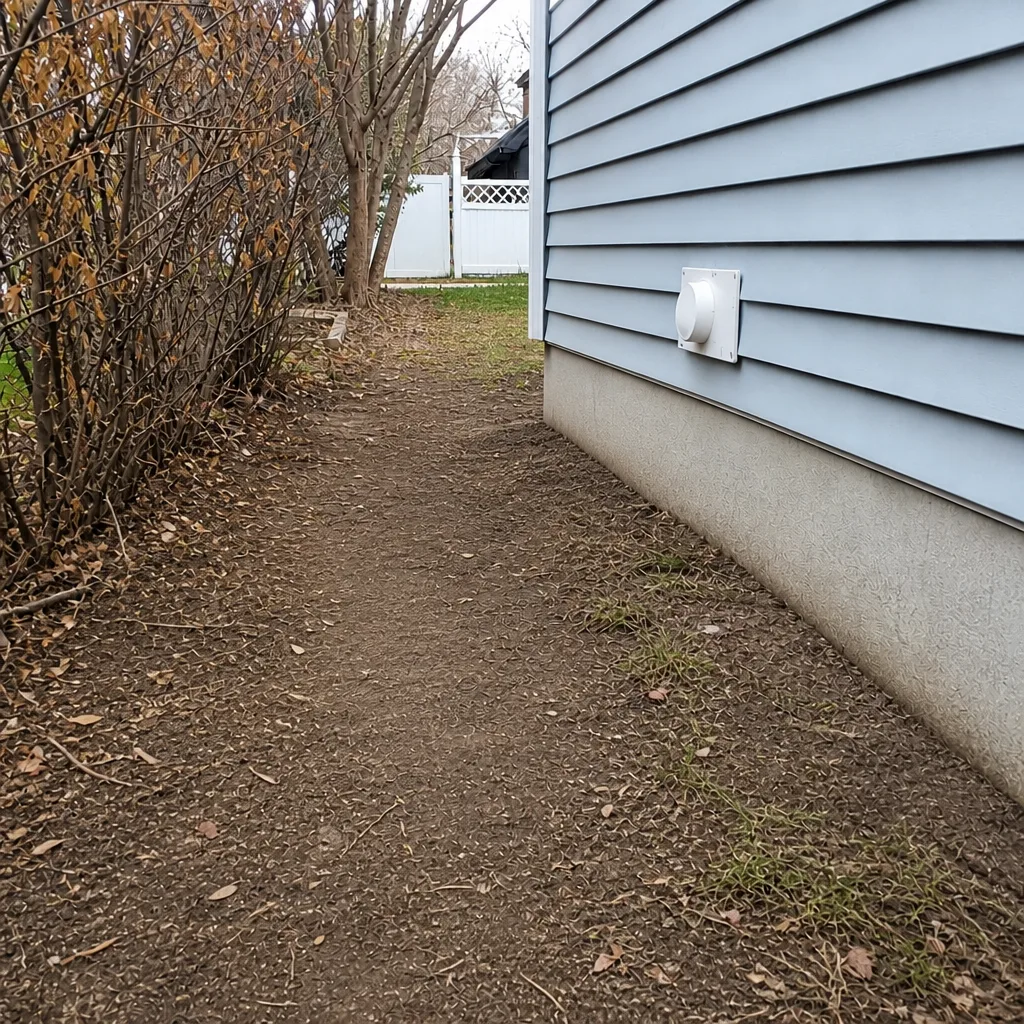 After
When to Call a Professional
Some duct issues are obvious enough to act on now. If your registers are visibly discharging dust, if the system smells musty when it kicks on, if your dryer is taking longer than one cycle to dry a load, or if you’ve just moved into a Draper home built in the last fifteen years and don’t know whether the ducts were ever cleaned, that’s the moment to get an inspection. The same is true if someone in the household has air-quality sensitivities and you’ve noticed the system isn’t keeping up through the winter.
Draper Air Duct Cleaning Pros handles Draper Air Duct Cleaning Pros services across the full duct lifecycle: cleaning, repair and sealing, air quality and sanitizing, dryer vent cleaning, and HVAC cleaning. We run professional equipment, we inspect before we clean, and we verify with before-and-after photos so you can see the result. Estimates are free. Call (855) 550-7165. We answer 24/7. Fast dispatch from 7am to 7pm, Sunday through Friday.
Frequently Asked Questions
Cost depends on the size of the system, the number of supply runs, and whether the job includes repair, sealing, or sanitizing. A typical whole-system cleaning for a Draper home falls within a range set by the written estimate, which is agreed before work starts. We quote per job, not per register. Call (855) 550-7165 for an exact quote. Estimates are free.
Cheap quotes usually cover a surface pass at the visible registers with a small hose, not a full-system clean with rotary brush agitation and negative-pressure extraction. The return plenum, main trunk, and air handler cabinet often aren’t in scope. Ask what’s actually covered before you compare prices. Call (855) 550-7165 to walk through what a full-system job includes.
You should receive before-and-after photos of your ducts, a note on what was removed, and a record of any sealing work performed. That documentation is the difference between a verified job and a vague promise. If a company can’t provide it, ask why not. We provide verification as standard. Call (855) 550-7165 to see what that looks like.
Homes built since 2010 that have never had their ducts cleaned should be cleaned now, regardless of how new they are. After that, most Draper homes benefit from an inspection every two to three years, with cleaning scheduled when the inspection shows accumulation. The winter inversion season in the valley pushes that schedule slightly faster than generic national advice suggests. Call (855) 550-7165 to schedule an inspection.
Yes, often. Duct systems installed during construction routinely carry drywall dust, joint compound residue, and construction debris that was never removed after the final walkthrough. If your Draper home was built in the last fifteen years and the ducts were never cleaned, that’s a reason to schedule a full-system inspection. Call (855) 550-7165 for a free estimate.
We use professional duct-cleaning systems from Rotobrush and Nikro, combined with HEPA-filtered negative-pressure extraction at the source. For air quality and sanitizing work, we use Abatement Technologies equipment. We also work with filtration systems incorporating Honeywell and Aprilaire components. That equipment standard is what separates a full-system cleaning from a surface pass. Call (855) 550-7165 to learn more.
The Bottom Line
Draper’s altitude, its winter inversions, and its recent construction boom all change the duct-cleaning equation. Newer homes often need a construction-debris cleaning even if they’re only a few years old, and older homes tend to accumulate fine particulate faster than the generic three-to-five-year advice suggests. What doesn’t change is the equipment standard: rotary brush agitation plus HEPA-filtered negative-pressure extraction, a full inspection of the supply runs, return plenum, air handler cabinet and coil, and a before-and-after verification you can review. Our technicians have up to 12 years of experience, and we cover cleaning, repair, sealing, air quality, and dryer vent safety in one place. Call (855) 550-7165 for a free estimate. We answer 24/7. Fast dispatch from 7am to 7pm, Sunday through Friday.
Written by the team at Draper Air Duct Cleaning Pros.