
Last updated November 24, 2026
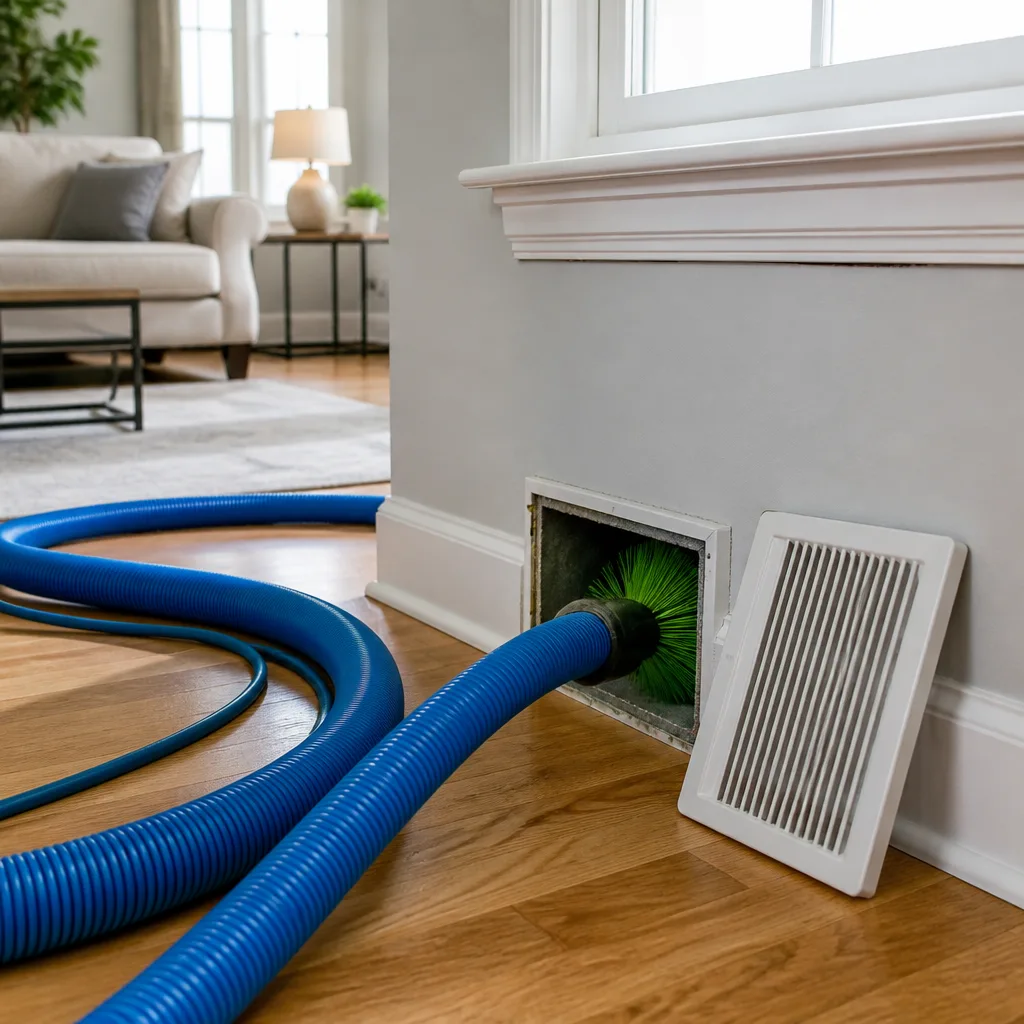 Whole-home duct cleaning
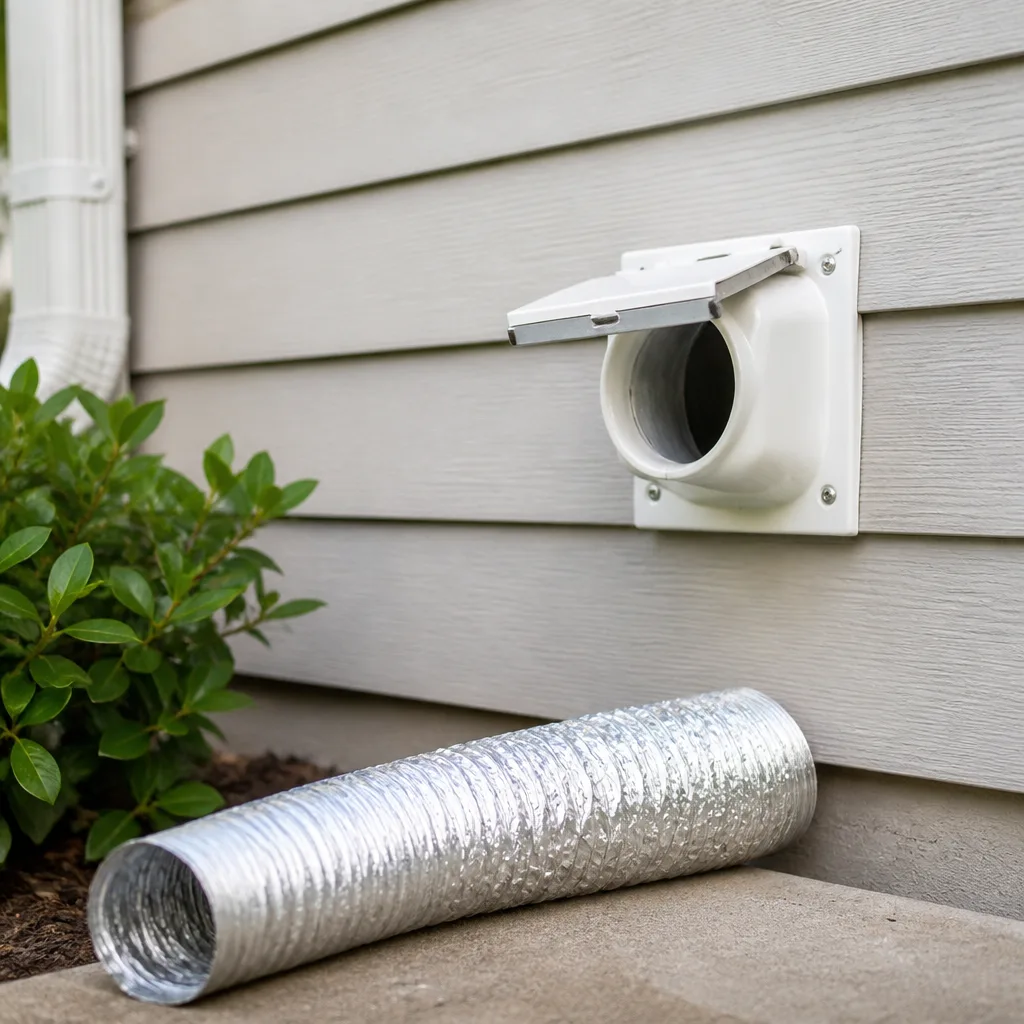 Dryer vent cleaning
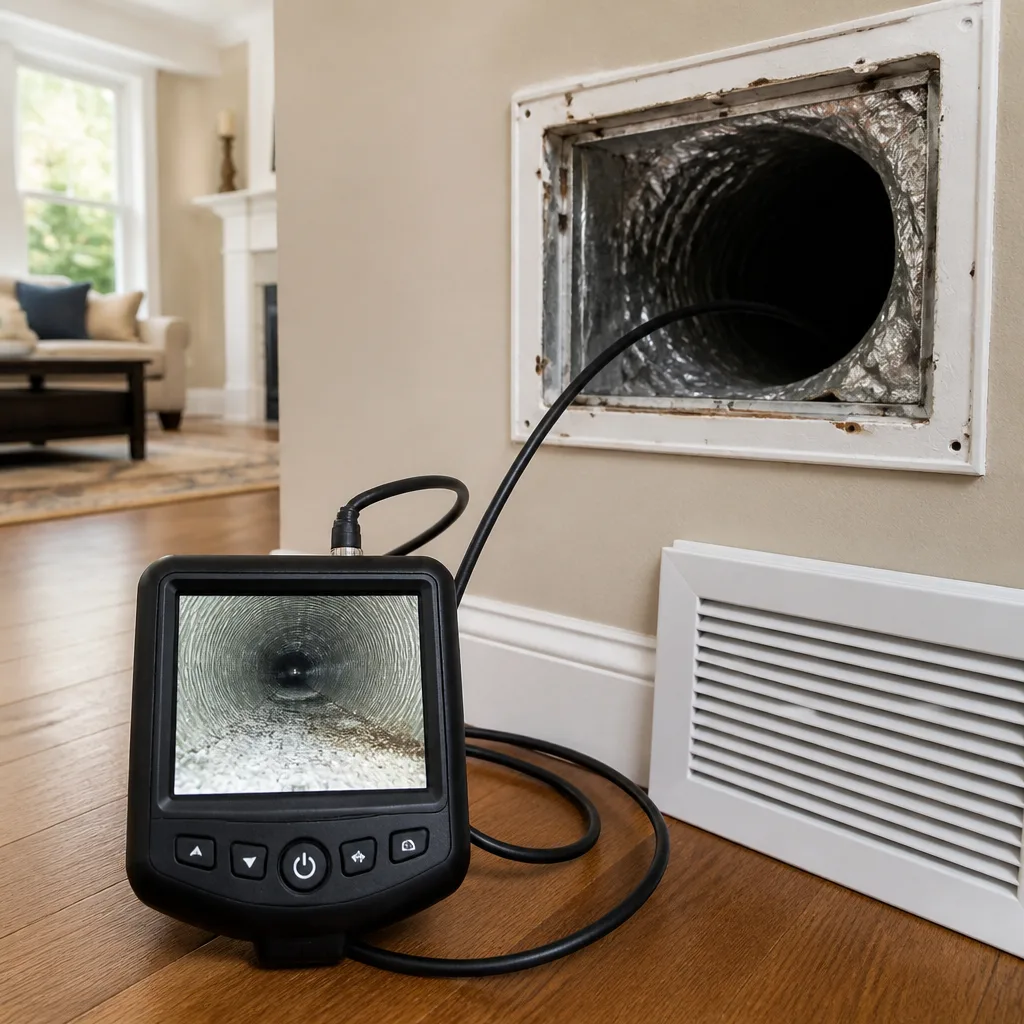 Camera inspection
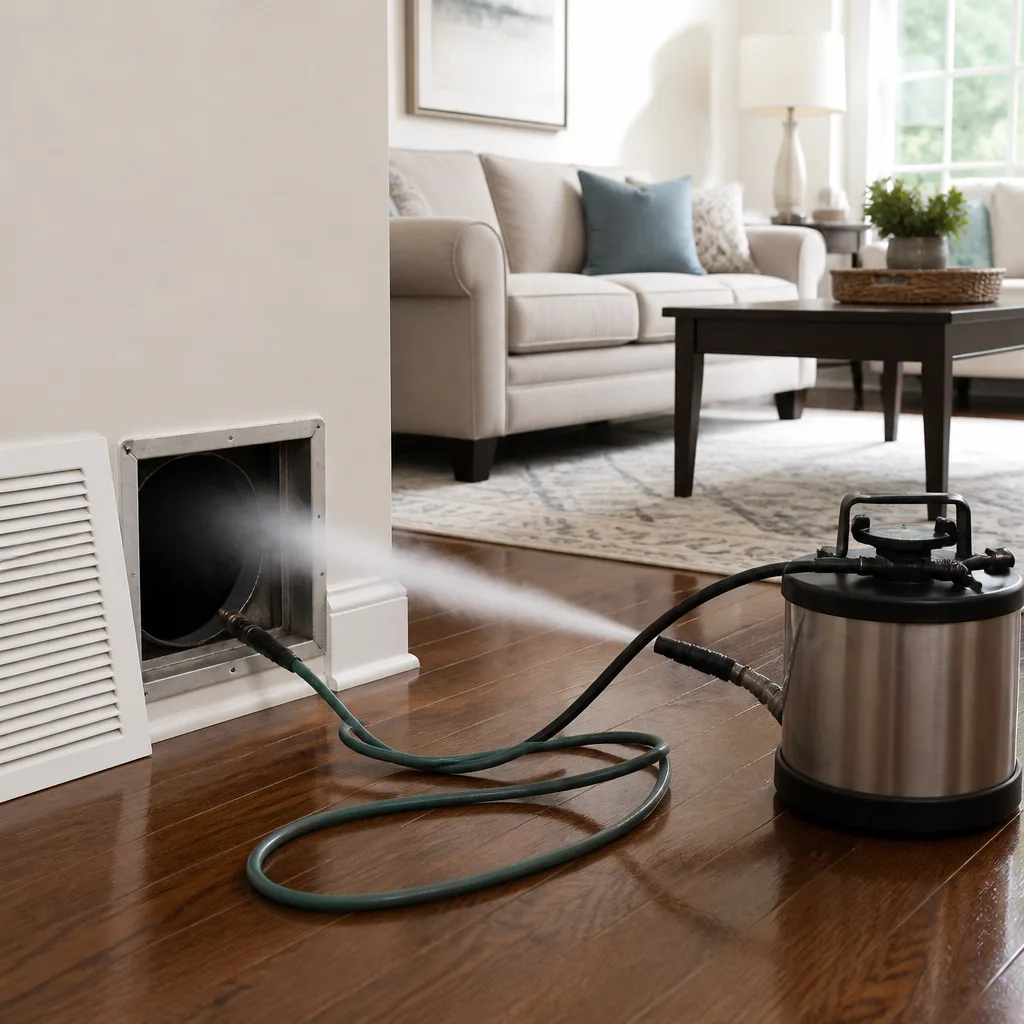 Sanitizing & deodorizing
Whole-system duct and dryer vent check with before-and-after photos - you see exactly what came out of your vents
That "$99 whole-house special" is a bait ad - the real number appears once they are in your hallway, or the "clean" is a shop-vac at the register. We photograph the inside of your ducts before and after instead.
How to Hire an Air Duct Cleaning Contractor in Draper: A Step-by-Step Guide
Utah does not require a specialty license to offer air duct cleaning, so the person quoting $89 for a whole-house job and the person quoting $450 are operating under the same legal standing. That’s the uncomfortable truth most hiring guides skip. There’s no state board checking equipment, training, or technique before someone hooks a vacuum to your supply trunk. The vetting burden falls on you, the homeowner, and it happens in the fifteen minutes you spend on the phone before booking. This guide gives you a contractor interview framework that exposes underequipped operators before they ever touch your system in Draper. You’ll learn what to ask, what the answers reveal, and how to get a written scope that holds up.
Quick Answer
To hire an air duct cleaning contractor in Draper, verify the equipment first (professional duct-cleaning systems like Rotobrush or Nikro, not a shop vacuum), ask for a written scope that names every access point and the exact number of supply and return runs, and confirm what post-job documentation you’ll receive. NADCA membership is a useful floor but doesn’t guarantee good work, so pair it with specific equipment and scope questions. Get the estimate in writing before anyone starts, and walk away from any quote that’s vague on method or pushes mold treatment before inspecting a single duct.
Styles & brands we work with
- Whole-home duct cleaning
- Dryer vent cleaning
- Camera inspection
- Sanitizing & deodorizing
Table of Contents
- Why There’s No License to Check in Utah
- The Five Equipment Questions to Ask Before Booking
- What NADCA Membership Actually Verifies (and What It Doesn’t)
- Red Flags of Low-Bid Operators
- How to Get a Written Scope of Work
- Why Cheap Quotes Fail in Draper’s Two-Story Homes
- Your Contractor Interview Script, Step by Step
Why There’s No License to Check in Utah
Utah doesn’t issue a specialty license for air duct cleaning, which means there’s no state registry to search, no exam requirement, and no continuing-education mandate tied to the trade. Any company with a business license, a vacuum, and a phone number can legally advertise duct cleaning in Draper. That fact alone explains the wild spread in quotes you’ll get when you call around.
Compare that to electrical or plumbing work, where Utah requires licensing and inspections. Those trades have a paper trail. Duct cleaning doesn’t. The equipment, the training, and the standards are entirely voluntary, and the companies that invest in them tend to cost more because the machines and the people trained to run them cost more.
What this means for you is simple: the license check is off the table, so the equipment and scope check replaces it. You’re not being paranoid by asking pointed questions about machines and method. You’re doing the only vetting available.
It also explains why the market in Draper runs the way it does. Fast-growing suburbs along the south valley attract a mix of established specialists and fly-by operators chasing quick revenue. The homeowner is the only filter between the two.
The Five Equipment Questions to Ask Before Booking
The five equipment questions every homeowner should ask are about machine type, airflow rating, brush compatibility, vacuum containment, and whether the same setup handles both supply and return runs. The answers separate purpose-built duct-cleaning systems from improvised setups. Ask these before you agree to a date.
At Draper Air Duct Cleaning Pros, we run professional-grade duct-cleaning systems from Rotobrush and Nikro. Those are purpose-built machines designed for duct interiors, not shop-vac workarounds. The difference shows up in what actually comes out of the system.
- Is the machine truck-mounted or portable, and which do you use for my house? Truck-mounted units can deliver more sustained suction through a long hose run. Portable units are common and can do solid work when they’re the professional kind. A shop vacuum attached to a floor vent is neither.
- What’s the rated airflow (CFM) of the equipment you’ll use? A real duct-cleaning system moves serious air volume. A vague answer (“plenty”) or a number that sounds like a household vacuum tells you the operator doesn’t know their own equipment. You don’t need to be an airflow engineer, but a trained technician should recite the spec without hesitating.
- What brush diameters do you carry, and will they fit my duct sizes? Ducts vary in size across a house. A brush that’s too large doesn’t reach into branch runs, and one that’s too small skips the walls. Ask how they match brush to duct.
- How do you keep the debris contained during the job? Negative-pressure containment and a HEPA setup keep dust from blowing back into living space. Ask what’s in place before the machine starts.
- Does the same equipment handle returns, or only supplies? Return ducts often carry the heaviest debris load. A company that only cleans supply runs is doing half the job.
If a company can’t answer these without hedging, that’s your answer. Move on to the next call.
What NADCA Membership Actually Verifies (and What It Doesn’t)
NADCA membership verifies that a company has committed to a recognized industry standard and, for certain membership tiers, that at least one person has passed the association’s certification exam. It does not verify equipment quality, it doesn’t license anyone, and it isn’t a guarantee of a good outcome. It’s a floor, not a ceiling.
What NADCA does give you is useful. The association publishes a standard for how the work should be done, including source removal, containment, and verification. A member company is at least signaling awareness of those methods. That’s worth something when you’re comparing bids.
What it doesn’t give you is protection from a company that joined for the logo and still runs undersized equipment. Membership is a data point, not a diploma. Check for it, but keep asking the equipment questions regardless.
In our experience across Draper, the contractors worth hiring tend to talk about method before they talk about price. NADCA comes up naturally in that conversation. If you have to pry the answer out, that tells you something too.
- NADCA verifies: commitment to a published industry standard, and for certified members, a passed exam tied to that standard.
- NADCA doesn’t verify: which machine shows up at your door, whether the technician is trained on it, or how the job is scoped.
- Use it as: one filter among several, paired with equipment and scope questions.
Red Flags of Low-Bid Operators
The clearest red flags of a low-bid duct-cleaning operator are vague scope language, no pre-job inspection, and mold-treatment upsell pressure before anyone has looked at your ducts. These three patterns show up again and again, and they’re easy to spot if you know what you’re listening for.
Draper’s dry, high-desert air actually helps here. Mold growth needs moisture, so a contractor who opens the conversation with a mold scare before inspecting anything is running a script, not reading your system. The same goes for a “sanitizing treatment” pitched on the phone. A legitimate air-quality conversation starts with what’s actually in the ducts, which means an inspection first.
Watch for these specific warning signs:
- Scope described in adjectives, not numbers. “We clean all your vents” means nothing without the count of supply and return runs.
- No pre-job inspection. A real specialist wants to see the system before quoting the job. Booking straight off a coupon price is a sign the work is priced to sell, not to fit.
- Upsell pressure on first contact. Mold treatment or sanitizing pitched before inspection is a red flag.
- Price that changes once the machine is inside. A flat, written price per system agreed before work starts doesn’t move.
- No mention of documentation. No before-and-after photos, no summary of what was removed.
The pattern isn’t about cheap. It’s about undefined. A quote without a scope leaves the door open for the invoice to grow.
How to Get a Written Scope of Work
A written scope of work should specify every access point the technician will use, the exact number of supply and return runs, the equipment planned, and the documentation you’ll receive after the job. That’s the document that turns a verbal promise into something you can hold a contractor to. Ask for it before you book.
In Draper homes, access points matter more than most homeowners realize. Ceiling registers, floor vents, and attic runs may all need to be opened, and each one should be restored cleanly. Knowing where the access happens helps you plan, and it tells you whether the contractor has actually thought about your layout.
Here’s what your written scope should contain:
- Access points: which vents, registers, or plenum panels will be opened, listed by room or location.
- Run count: the number of supply runs and the number of return runs. These are the hardest to fudge, so ask for the count.
- Equipment: the machine type and any containment setup.
- Post-job documentation: before-and-after photos of your ducts and a summary of what was removed.
- Price per system: one flat figure for the job, agreed in writing before work starts.
When we work in Draper, before-and-after photos of your own ducts are part of the job, not an add-on. Photo documentation is the simplest way to answer the question every homeowner eventually asks: how do I know the work was actually done? The answer should be evidence, not reassurance.
Why Cheap Quotes Fail in Draper’s Two-Story Homes
Cheap quotes often fail in Draper’s two-story homes because the equipment can’t reach the far branch runs. Long flex duct runs in the upper walls and attic create distance a weak vacuum can’t overcome. A short hose and an undersized machine clean the trunk and the nearest supplies. The far bedrooms get skipped.
Two-story layouts along the south valley pack a lot of duct length into a tight footprint. Flex duct runs branch off a trunk and snake through conditioned and unconditioned space. By the time airflow reaches the last bedroom on the second floor, the vacuum’s pull has dropped off.
Good equipment compensates with sustained suction and a brush that reaches. Rotobrush machines are built for exactly this interior work, and pairing them with the right brush diameter and hose length is what gets a second-floor branch run properly cleaned. A machine that can’t sustain the pull can’t reach the run, no matter how many hours it stays.
That’s the real reason the cheapest quote in Draper often reflects equipment that can’t do the job. It’s not a pricing trick. The machine just isn’t built for the distance. Ask the contractor how they reach the farthest branch run in a two-story home. The answer tells you whether they’ve thought about it.
Your Contractor Interview Script, Step by Step
Run the interview in a fixed order so you can compare answers across companies. Five minutes on the phone with each contractor is enough to narrow the field. Here’s the script.
- Describe your home’s layout. Square footage, number of floors, and roughly how many supply and return vents. That’s the shared baseline.
- Ask the five equipment questions. Machine type, CFM rating, brush diameters, containment, and whether returns are included.
- Ask for a pre-job inspection. A specialist who wants to see your system before quoting is taking the job seriously. Ask if that inspection is free.
- Request the written scope. Access points, number of supply and return runs, equipment, and documentation, all in writing.
- Confirm the flat price per system. One figure, agreed before work starts, no per-vent pricing.
- Ask what the post-job documentation looks like. Before-and-after photos of your ducts are the standard.
- Ask whether the company handles dryer vent cleaning as a separate safety service. Dryer vents are a fire risk, not a maintenance footnote, and the same visit can address them.
One call can cover several indoor-air problems at once. When we quote a duct job in Draper, the conversation often extends into our HVAC cleaning work, and sometimes into dryer vent cleaning as a standalone safety service. The full-system menu means you’re not coordinating three contractors.
If you want the broader picture on what a proper air duct cleaning visit covers, that’s worth a read before you call any contractor in Draper. The more you know about method, the sharper your interview questions get.
Common Mistakes to Avoid
- Booking off a coupon price alone. A low teaser figure quoted before anyone has seen your system usually describes a scope that hasn’t been defined, and that’s how invoices grow once the technician is on site.
- Skipping the equipment questions. Utah’s lack of a specialty license means equipment is your only real filter. If you don’t ask what machine shows up, you’re trusting a logo instead of a spec.
- Accepting a verbal scope. Vague verbal promises don’t survive the trip to the invoice. Ask for access points, run counts, and documentation in writing.
- Falling for a mold scare on the first call. Draper’s dry climate keeps moisture problems relatively uncommon compared to humid regions, so mold treatment pitched before an inspection is a script, not a diagnosis.
- Assuming returns get cleaned. Some low-bid jobs clean supply runs and stop. Return ducts often carry the heaviest debris, so confirm both sides are in the scope.
- Hiring without a pre-job inspection. A contractor willing to book a whole-house job sight unseen hasn’t thought about your layout, and it’s exactly the branch runs that will be missed.
- Forgetting the dryer vent. A clean duct system doesn’t nullify a lint-clogged dryer exhaust. Treat dryer vent cleaning as a separate safety check, not an optional extra.
See the difference
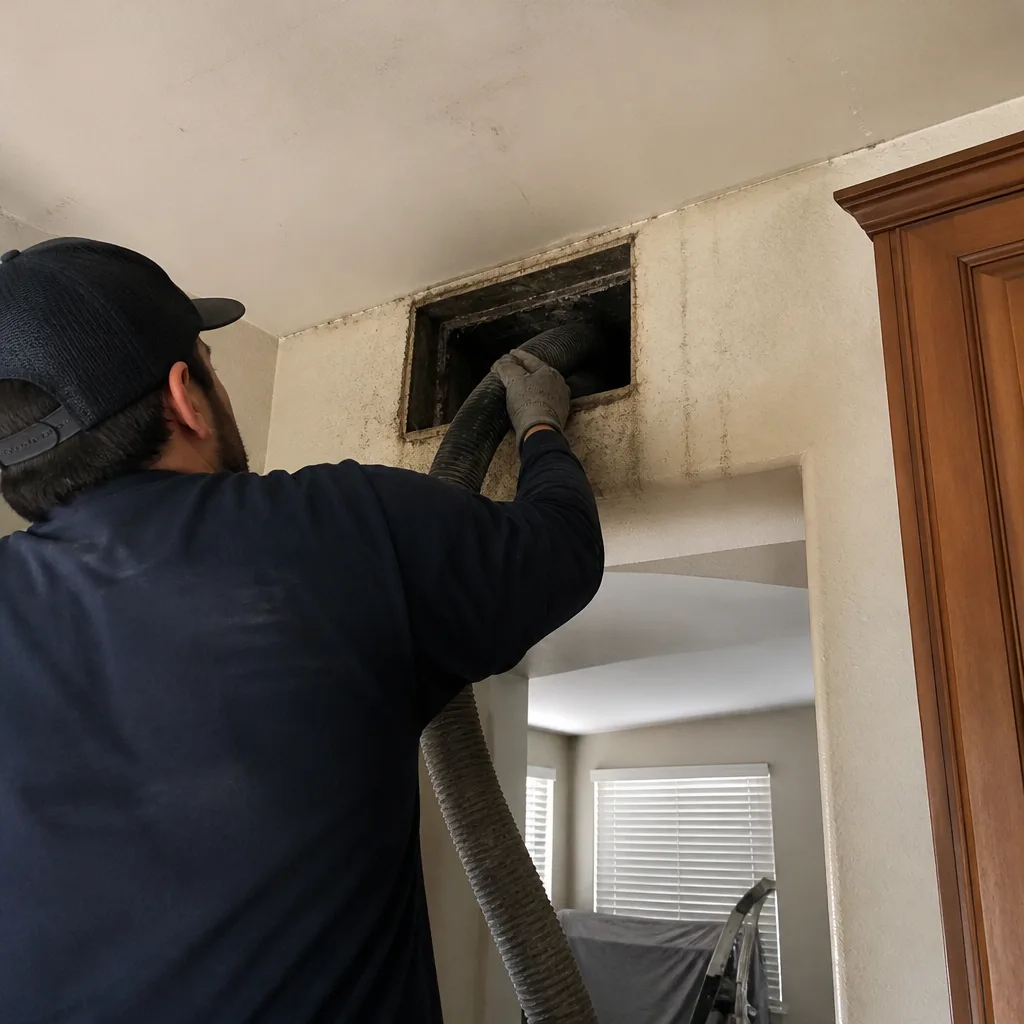 Before
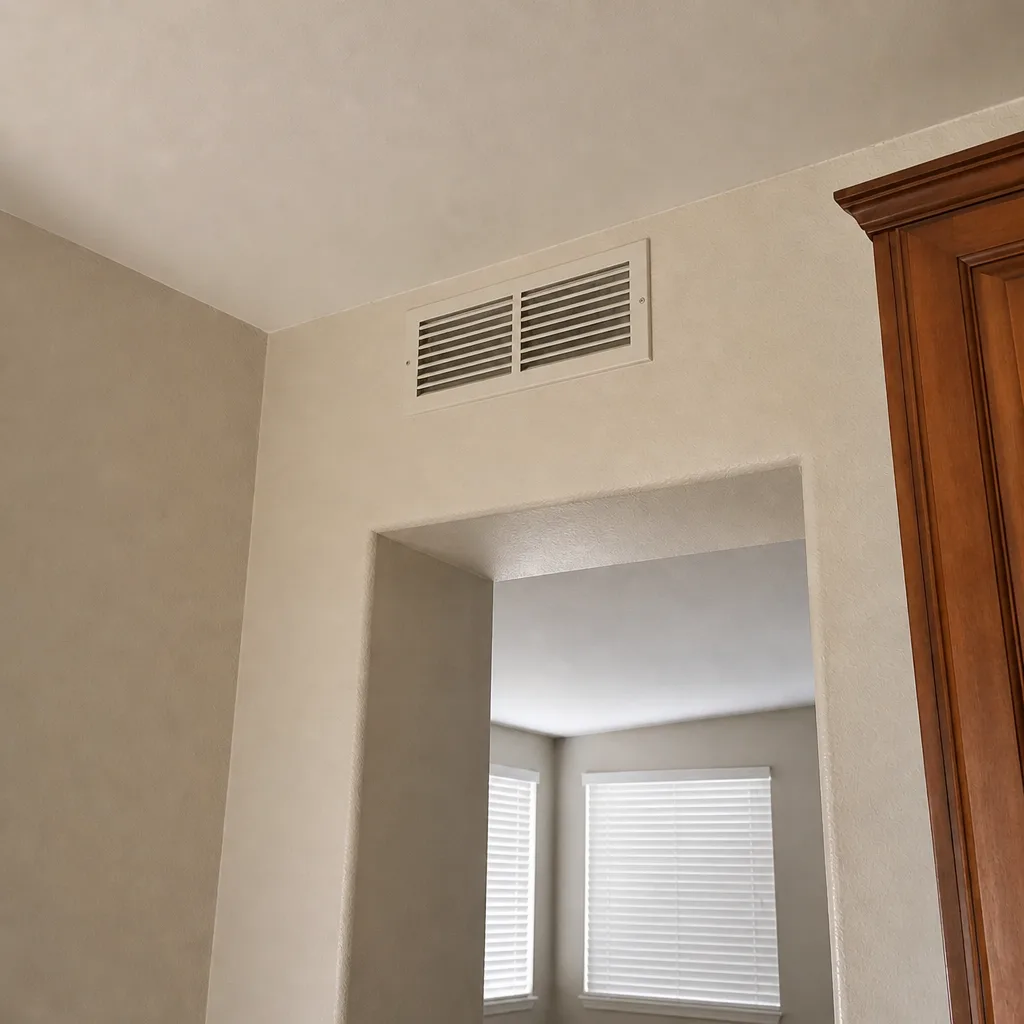 After
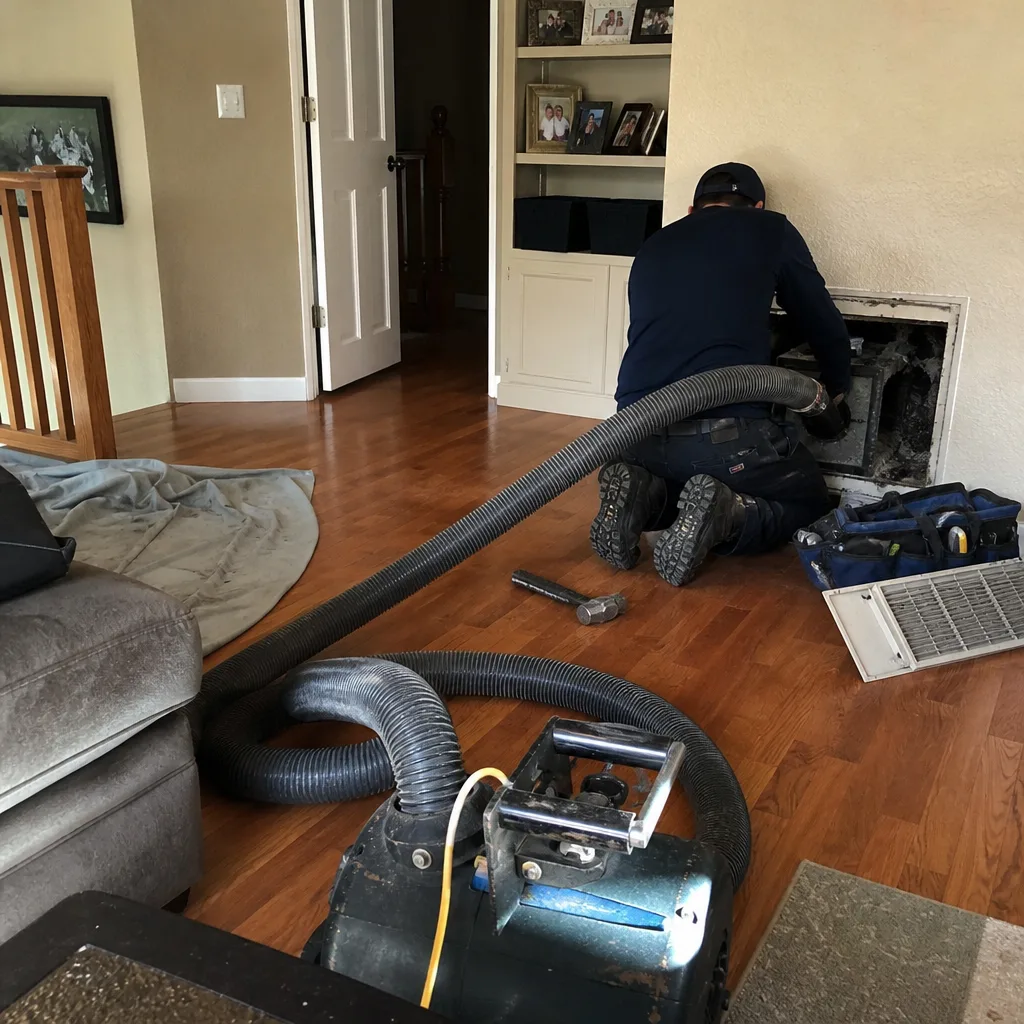 Before
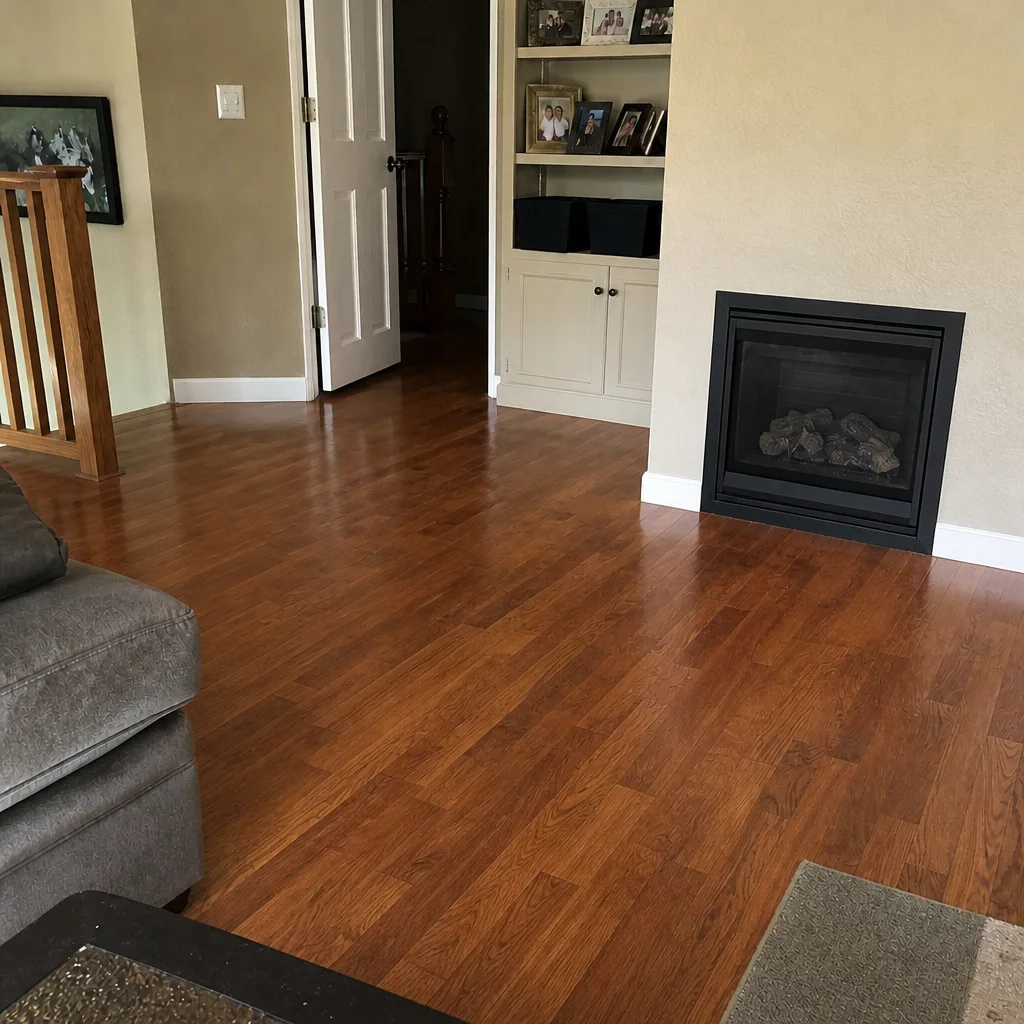 After
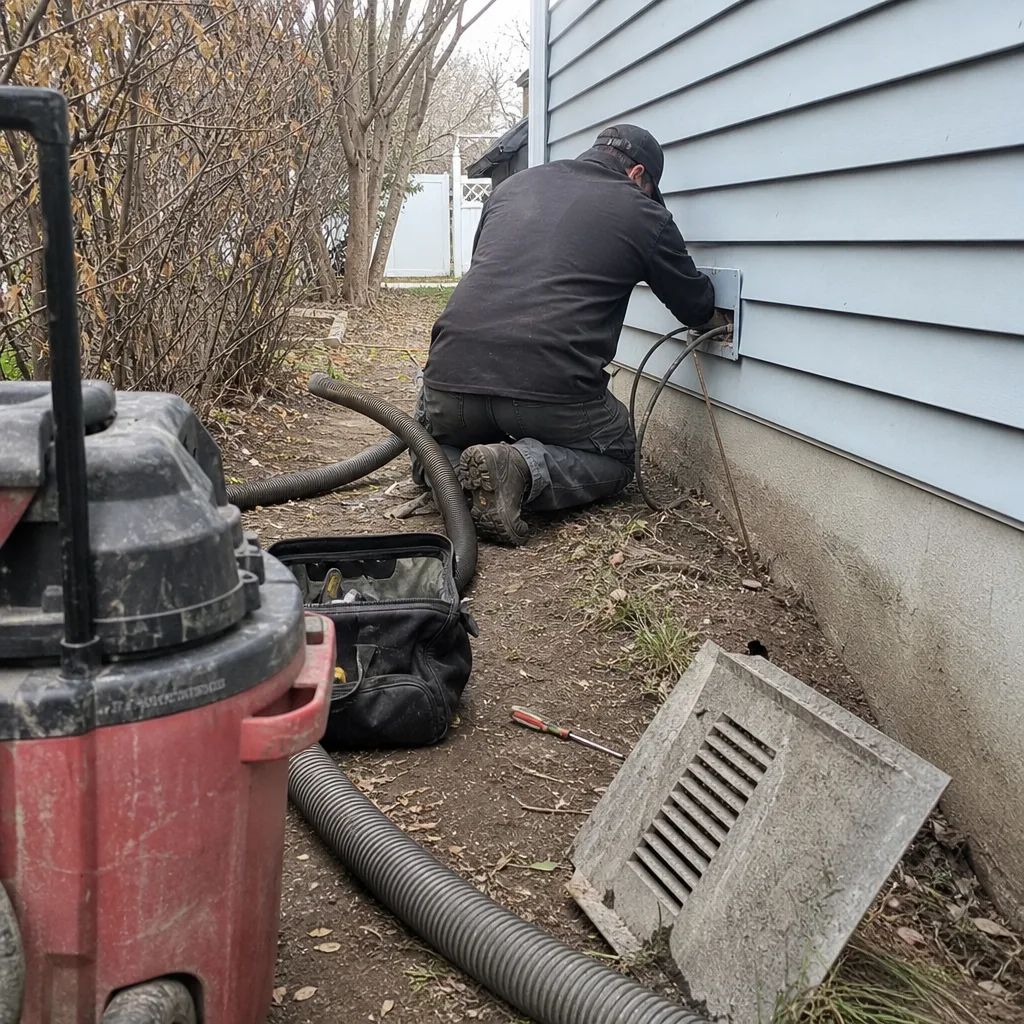 Before
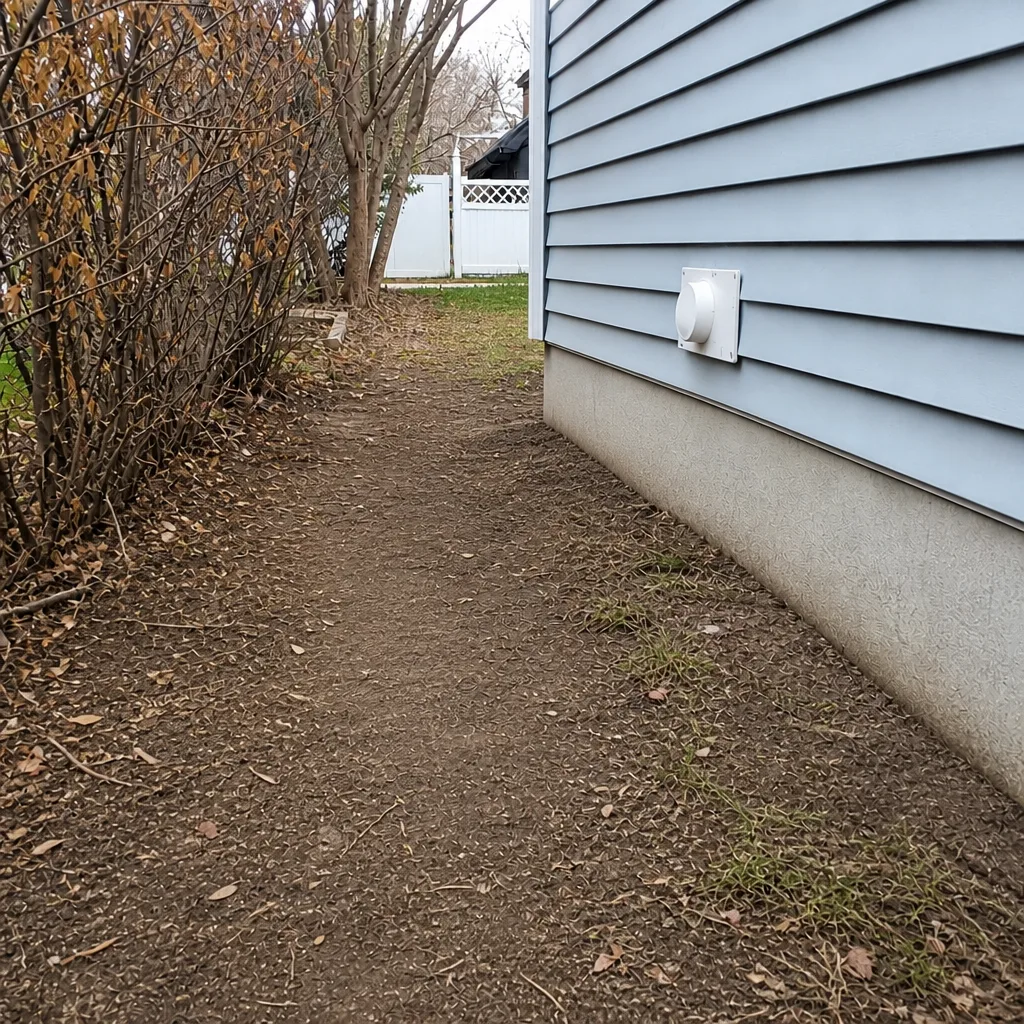 After
When to Call a Professional
Call a professional when you notice visible dust blowing from registers right after HVAC cycles, when a remodeling project has pulled dust and debris into the return system, or when someone in the household is reacting to indoor air and you can’t find the source. Call when a dryer takes longer than usual to dry a load, which often points to a clogged exhaust vent. Call when a new home’s ducts have never been serviced, or when you’re moving in and want a clean baseline. None of these are jobs to handle with a shop vacuum and a flashlight. Draper Air Duct Cleaning Pros offers free estimates in Draper – call (855) 550-7165. We answer 24/7. Fast dispatch from 7am to 7pm, Sunday through Friday.
Frequently Asked Questions
Ask for the machine brand and model, the CFM rating, and the brush diameters carried, then confirm the same setup handles both supply and return runs. A trained technician recites these without hedging. Utah doesn’t require a specialty license for duct cleaning, so the equipment answers are the check that matters. Call (855) 550-7165 for an exact quote – estimates are free.
No, NADCA membership is a useful floor but not a ceiling. It verifies commitment to a published industry standard and, for certain tiers, a passed certification exam, but it doesn’t verify which machine shows up or how the job is scoped. Pair it with the five equipment questions and a written scope before you book. Call (855) 550-7165 for an exact quote – estimates are free.
Cheap quotes usually reflect equipment that can’t reach the far branch runs, especially in two-story homes with long flex duct runs. The machine cleans the trunk and the nearest supplies and skips the far bedrooms, or the scope quietly excludes returns. Undefined scope is the other reason: a teaser price becomes a larger invoice once the technician is on site. One flat price per system, agreed before work starts, avoids that. Call (855) 550-7165 for an exact quote – estimates are free.
You should receive before-and-after photos of your own ducts and a summary of what was removed. That’s the documentation standard we work to in Draper, and it’s the simplest way to verify the job. Ask for it in the written scope before booking so there’s no ambiguity afterward. Call (855) 550-7165 for an exact quote – estimates are free.
Draper’s dry, high-desert air keeps moisture-driven mold problems relatively uncommon, so much of what accumulates is dust, construction debris, and normal household particulates. That’s one reason a pre-job inspection matters more than a mold scare. How often you clean depends on the home, pets, renovation activity, and whether anyone in the household has sensitivities. Call (855) 550-7165 for an exact quote – estimates are free.
Often yes, because the same visit can address both and a clogged dryer vent is a fire risk independent of the ducts. Dryer vent cleaning is a dedicated safety service, not an add-on afterthought. Ask the contractor whether both can be scoped and priced clearly in the same written estimate. Call (855) 550-7165 for an exact quote – estimates are free.
The Bottom Line
Hiring a duct-cleaning contractor in Draper comes down to three checks: verify the equipment, get the written scope, and confirm the flat price per system before work starts. Utah doesn’t license the trade, so those three checks replace the license search entirely. NADCA membership is a floor, not a ceiling. Watch for vague scope, no pre-job inspection, and mold-scares on the first call. Pair the cleaning with dryer vent and HVAC work where it makes sense. If you want a specialist who names their equipment and documents the job, you’re in the right place.
We run Rotobrush and Nikro systems for cleaning, use Abatement Technologies equipment for air-quality and sanitizing work, and know our way around Honeywell and Aprilaire whole-home filtration. Clean, sealed, and sanitized is the progression most homes actually need. Whether you need full duct service or a single dryer vent cleaning visit, the interview script above is what you should ask any contractor in Draper. Start with the equipment and work outward.
Call (855) 550-7165 for a free estimate. We answer 24/7. Fast dispatch from 7am to 7pm, Sunday through Friday. A call outside dispatch hours is booked into the next opening, Sunday through Friday, 7am to 7pm. Your Draper Air Duct Cleaning Pros team is ready when you are.
Written by the team at Draper Air Duct Cleaning Pros.