
Last updated November 24, 2026
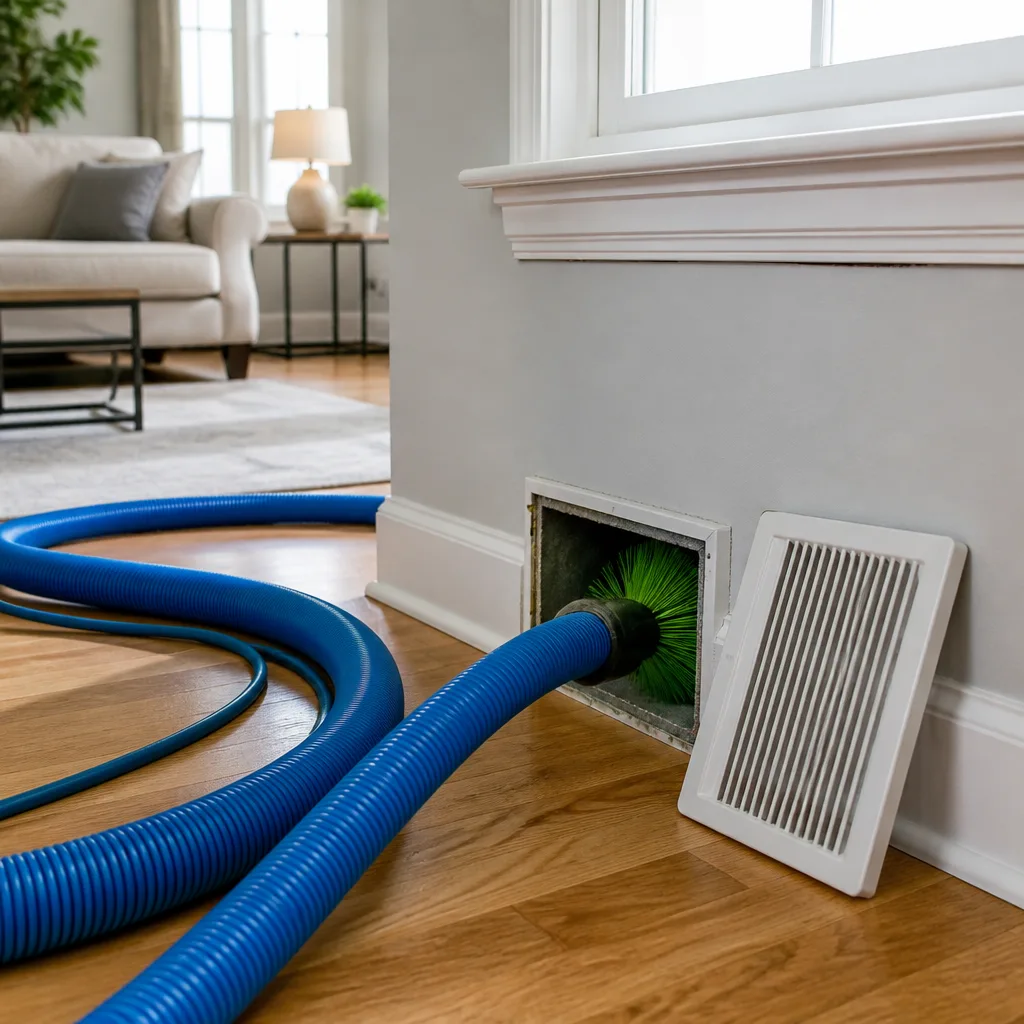 Whole-home duct cleaning
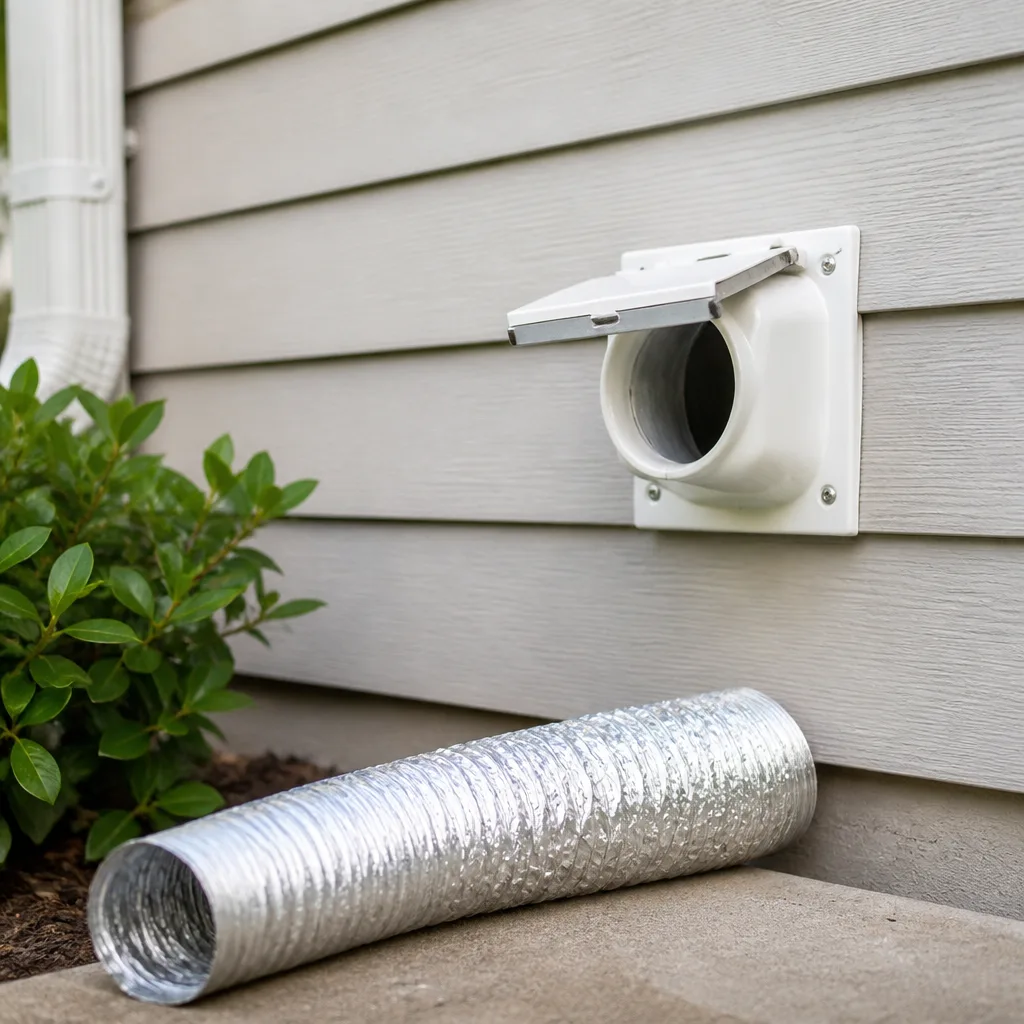 Dryer vent cleaning
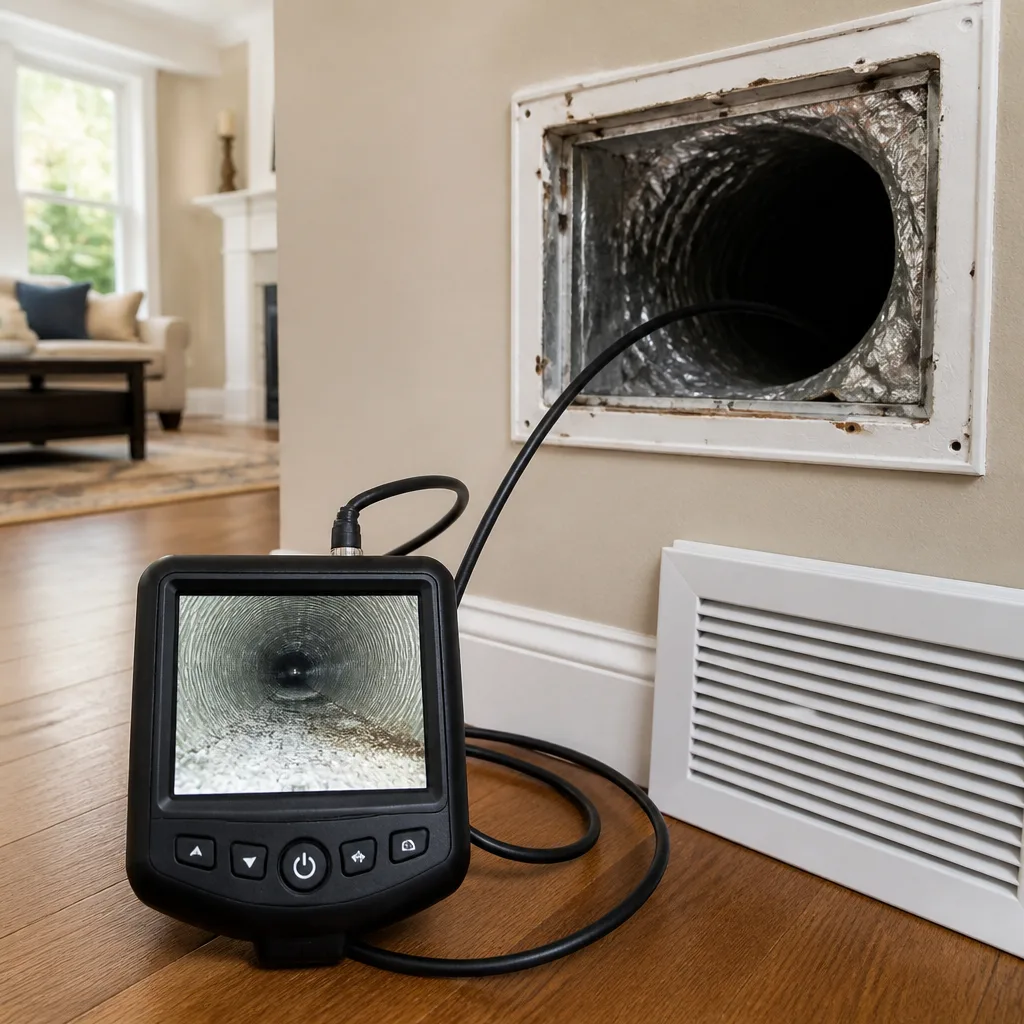 Camera inspection
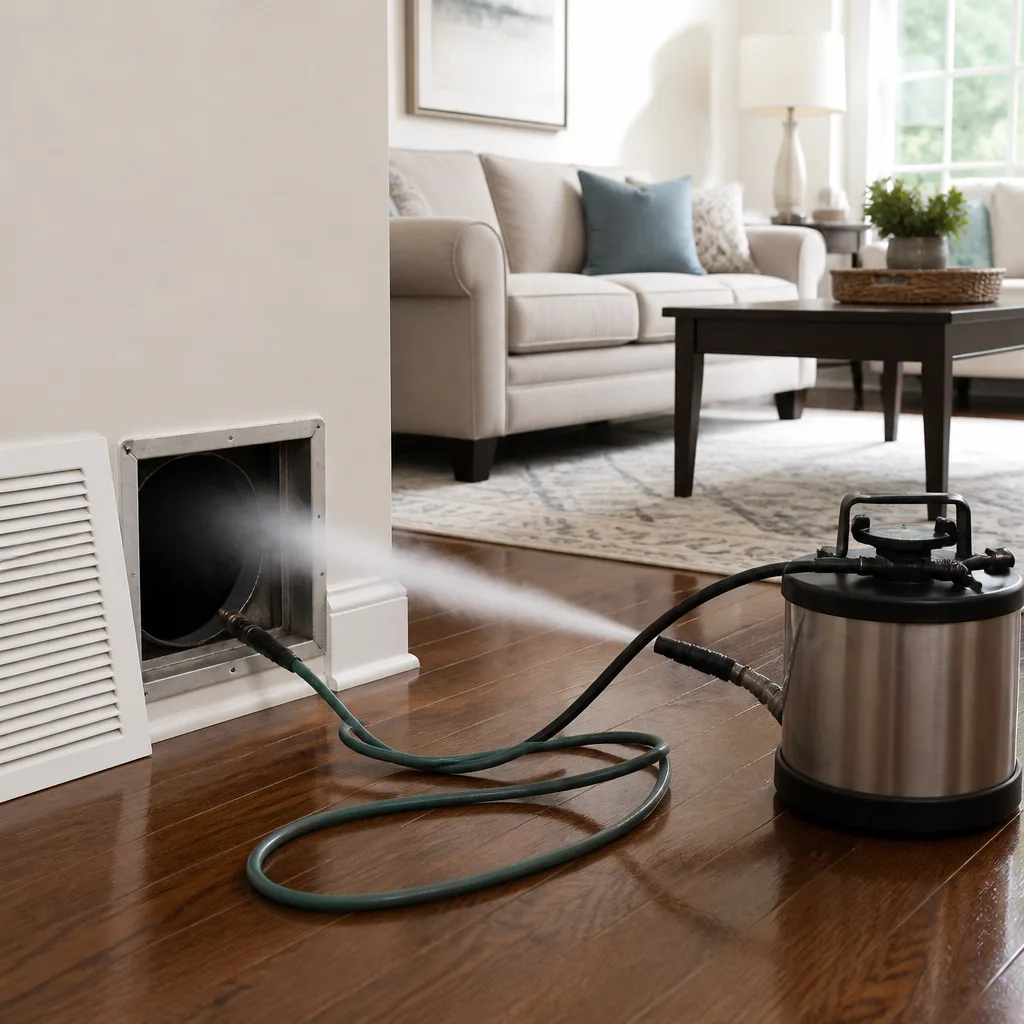 Sanitizing & deodorizing
Whole-system duct and dryer vent check with before-and-after photos - you see exactly what came out of your vents
That "$99 whole-house special" is a bait ad - the real number appears once they are in your hallway, or the "clean" is a shop-vac at the register. We photograph the inside of your ducts before and after instead.
Air Duct Cleaning Emergency Preparedness Guide for Draper Homes
Most preparedness plans stop at the go-bag and the water supply. Your ducts never make the list. Here’s the uncomfortable part: when wildfire smoke sits over the valley for a couple of days, your duct system doesn’t just pass that air through and forget it. It takes the particles in, holds them in the seams, the insulation, and the blower housing, and keeps releasing them back into your rooms long after the sky clears. A flood does something worse, feeding moisture into the same dark spaces that mold loves. This guide walks Draper homeowners through the first hours of both emergencies: what to switch off, what to change, and what a real cleanup looks like.
Quick Answer
In a smoke or flood emergency, the sequence matters more than the service name. For smoke: run the system on recirculate with a fresh high-MERV filter only while smoke levels are high, then shut the system down once the outdoor air clears and book professional cleaning before you resume normal use. For flood: turn the HVAC off immediately, get standing water out, and get the duct interior dried and assessed within 48 to 72 hours, or the system may be a replacement instead of a cleaning. Both cases call for cleaning, sealing, and sanitizing, not a single vacuum pass.
Styles & brands we work with
- Whole-home duct cleaning
- Dryer vent cleaning
- Camera inspection
- Sanitizing & deodorizing
Table of Contents
- Post-Wildfire Smoke Protocol: The First 24 Hours
- Post-Flood Duct Response: The 48 to 72 Hour Window
- What Emergency Duct Sanitizing Actually Uses
- Documenting Duct Contamination for Your Insurance Claim
- What to Ask a Draper Contractor After a Smoke or Flood Event
- The Correct Order of Steps After a Smoke or Flood Event
- Building a Duct Emergency Kit Before You Need One
Post-Wildfire Smoke Protocol: The First 24 Hours
Wildfire smoke is not the same as ordinary dust. It carries fine particulate that a basic filter catches only partially, plus ash and soot that settle inside ductwork and stick to the blower and coils. Draper sits in a valley where smoke from regional fires can pool for days, and a home sealed against the heat traps that smoke inside. What you do in the first 24 hours decides how much of it your ducts absorb.
Here is the sequence we recommend, in order:
- Upgrade the filter before the smoke arrives, if you can. A fresh filter rated for fine particles gives the system a fighting chance. A clogged filter passes smoke straight through the return. Check the filter’s rating rather than its price: higher MERV means finer capture, and your blower has a limit, so don’t go higher than your system can handle.
- Decide whether to run or stop. While outdoor smoke is heavy and your windows are shut, run the fan in recirculate mode so the filter keeps scrubbing indoor air. If the system is drawing in outdoor air through an economizer or fresh-air intake, close that intake. Once the outdoor air clears, stop running the system until it’s been cleaned. Running it then is what redistributes the particles you want gone.
- Keep the house closed and filter the room air separately. Room purifiers with HEPA filters help while the ducts are still loaded. Don’t rely on them as a substitute for cleaning the system.
- Book duct cleaning once the event passes, not during it. Cleaning while smoke is still in the air just exposes clean ducts to fresh contamination. Wait for the outdoor air to clear.
When the cleaning happens, the goal is a full system pass, not a surface vacuum. Machines built for this work, like the Rotobrush and Nikro systems, agitate and extract debris along the full run of duct, including the return side and the plenum. A shop vacuum at each register does not reach that. If you want to know what a full pass covers, see our air duct cleaning page. If your system has taken on smoke, planning the cleaning around the filter and the full extraction is what makes the difference.
Post-Flood Duct Response: The 48 to 72 Hour Window
Flooded ductwork is a mold problem waiting to happen. Mold needs moisture, warmth, and a food source, and duct interiors in a Draper home offer all three once water gets in. The 48 to 72 hour clock starts the moment the water reaches the duct system. After that window, the system may need replacement rather than cleaning because porous duct liner and insulation can’t be reliably dried and cleaned once mold establishes itself.
The first hours are about stopping the feed:
- Turn off the HVAC immediately. A running blower pushes moisture and spores through every room. Kill the thermostat and the breaker to the air handler.
- Get standing water out of the duct runs and the equipment area. Water sitting in a low duct run keeps feeding moisture into the whole system.
- Call a professional for an assessment. They can measure moisture in the duct interior and tell you whether the system can be dried and cleaned or has reached replacement stage.
- Photograph everything before anyone touches it. Your insurance claim depends on it, and so does the assessment.
During the recovery, mechanical drying and cleaning run together. The professional extracts standing water, dries the interior with high-volume air movement, then cleans and applies an antimicrobial treatment under controlled conditions. If the duct liner is saturated and has begun to grow mold, honest advice may be to replace it. That’s not a contractor upselling; it’s the difference between a clean system and a recurring problem.
Flood recovery also overlaps with what we call HVAC cleaning: the air handler, coils, and blower housing take on the same moisture as the ducts, and cleaning the ducts without the equipment leaves the source in place. One call covering the full system is the practical approach.
What Emergency Duct Sanitizing Actually Uses
Sanitizing is the step most likely to be misunderstood. A fogger that sprays a scented mist into each register and calls it done is not sanitizing. What actually works is an EPA-registered antimicrobial applied as a fine mist that reaches the interior surfaces of the duct, run while the system is under negative pressure so the mist doesn’t back into the living space and so the treatment coats the full duct run rather than only the register openings.
The distinction matters because surface spray treatments that don’t reach the problem leave the contamination in the seams, the insulation, and the plenum. A true antimicrobial treatment is applied after cleaning, not instead of it: cleaning removes the debris and the food source, then sanitizing reduces what remains. Abatement Technologies equipment is the same brand used in commercial and remediation environments, engineered for this kind of application. That’s a different class of tool than a handheld can of surface spray.
What sanitizing targets: mold spores, bacteria, and allergens that have settled into the duct interior. What it doesn’t do: repair a damaged system or replace water-damaged liner. If you’re dealing with a smoke event, sanitizing after cleaning helps because the antimicrobial works best on a clean surface. If you’re dealing with flood moisture, sanitizing is one step in a process that includes drying and assessment. Treatment without cleaning first is a surface treatment; treatment after cleaning is a repair of the air you breathe.
Documenting Duct Contamination for Your Insurance Claim
Insurance adjusters approve claims they can verify. For a duct contamination claim, that means evidence that is dated, that shows the pre-existing condition and the post-emergency condition side by side, and that shows the assessment process. The homeowner who has photos, air quality readings, and a written professional report moves through the claim far faster than the one who has a verbal description.
Build your claim file with these pieces:
- Photos before, during, and after. Date-stamped images of the duct interior before any work, the debris removed, and the finished duct. Before-and-after photos of your own system are the proof an adjuster responds to.
- Air quality readings. A professional assessment may include particle counts or other air quality measurements taken before and after cleaning. Those readings, dated, establish that the contamination was real and that the cleanup was measured.
- A written assessment report. The report should identify the contamination, describe the method used to clean, and note any duct that was too damaged to clean. A report that states specifics is easier to approve than a description in broad terms.
- Your filter and equipment records. Note the filter you installed and when, and any damage to the air handler or coils. These add context that the adjuster can match to your policy.
Keep your own copies. Adjusters receive a lot of files, and a homeowner who can produce a full record on request has a smoother claim. If the report recommends replacement of a section of duct, that recommendation in writing is what turns into a covered item.
What to Ask a Draper Contractor After a Smoke or Flood Event
After a smoke or flood event, the phone rings a lot at every duct cleaning company in the area, and the quality of the answer depends on the equipment in the truck. The question to ask is not “how much” but “what equipment do you bring” and “what does the full job cover.” A contractor who can answer those two questions clearly is equipped for remediation-grade work; one who can’t is likely running a surface vacuum.
Ask these questions on the call:
- What cleaning system do you use, and is it built for this job? You’re listening for professional extraction and agitation systems like Rotobrush or Nikro. A shop vacuum and a hose is not a system for this work.
- Do you clean the returns and the plenum, or only the supply runs? A full job reaches both sides of the system and the equipment housing.
- Do you dry and assess before you clean after a flood? The right answer includes a moisture check. Cleaning a wet duct doesn’t solve the problem.
- What sanitizing product do you use, and is it EPA-registered? You’re asking whether the antimicrobial is applied under negative pressure and whether it’s the right class of product for remediation-grade work.
- Can you produce a written report and photos for insurance? If the answer is no, the claim becomes your problem to document.
- Do you handle repair and sealing as part of the job? Sealing closes the leaks that let contamination back in. A full-system company does it; a one-trick crew won’t.
We work with Rotobrush and Nikro for duct cleaning and Abatement Technologies equipment for sanitizing, and we’re familiar with Honeywell and Aprilaire whole-home filtration, so a post-event cleaning fits the system you already have rather than working around it. If your home has a filter cabinet from one of those brands, mention it when you call so the visit is planned around your system.
The Correct Order of Steps After a Smoke or Flood Event
Most of the trouble after a smoke or flood event comes from doing the right steps in the wrong order. Cleaning before the outdoor air clears, or cleaning before the moisture is gone, or sanitizing before the cleaning, wastes the work. Here is the order that produces the best outcome, combining both emergencies into one sequence:
- Triage the equipment. After a flood, turn the HVAC off at the breaker. After smoke, decide between recirculate and shutdown based on the outdoor air.
- Protect the filter. A fresh filter rated for fine particles, checked for the right airflow for your system, keeps the blower from pushing more debris.
- Get the moisture out (flood) or wait for the air to clear (smoke). Water removal comes before cleaning in a flood; in a smoke event, waiting for the outdoor air to clear comes before cleaning.
- Assess and document. Photos, readings, and a written report, taken before any work.
- Clean the full system. Supply, return, plenum, and the air handler. Extraction reaches debris a surface vacuum misses.
- Sanitize after cleaning, under negative pressure. EPA-registered antimicrobial applied to a clean surface.
- Seal the leaks. Sealing closes the gaps that reintroduce contaminants and waste energy. This is the step most contractors skip, and it’s what makes a cleaning hold.
- Verify and file the report. Before-and-after photos and the written report go into the insurance file and your own records.
Clean, sealed, and sanitized is the full progression. A single-pass clean is just the first step.
Building a Duct Emergency Kit Before You Need One
Preparedness here is simple: a filter, a plan, and a phone number. Smoke season and water emergencies don’t announce themselves, and the homeowner who has supplies on hand moves faster than the one shopping during the event. Keep these on hand in Draper:
- Two filters rated for your system. One in the return, one on the shelf for an emergency. Know the size and the airflow rating before you need it.
- Photos of your system now. Take pictures of the air handler, the filter cabinet, and the duct runs in the attic or crawlspace while the system is clean. Those become the “before” images in a claim.
- The thermostat and breaker locations written down. In a flood, shutting the system off fast is the single most useful move.
- A room air purifier with a HEPA filter. It helps while the ducts wait for cleaning.
- Our number on the fridge. Call Draper Air Duct Cleaning Pros and the call gets you a plan, not a pitch.
Dryer vents deserve a place in the same file. A lint-clogged dryer exhaust is a persistent fire risk, and it’s a fire hazard that smoke season and flood season don’t suspend. Dedicated dryer vent cleaning addresses it directly, and it’s the kind of safety service worth scheduling before the next emergency rather than after. Pile it onto the same visit and one call covers cleaning, repair, and air quality.
Common Mistakes to Avoid
- Running the system during heavy smoke. If outdoor smoke is thick and your intake is open, running the system pulls smoke in. Switch to recirculate or shut the system down until the air clears.
- Cleaning ducts before the moisture is gone. Cleaning a wet duct after a flood moves water around instead of solving the problem. Dry and assess first.
- Trusting a surface fogger as sanitizing. A mist sprayed at each register doesn’t reach the seams or the plenum. Antimicrobial treatment under negative pressure after cleaning does.
- Skipping the photos and the report. An insurance claim without dated images and a written assessment is a slower, harder claim.
- Letting the filter go through the emergency. A clogged filter passes smoke and fine debris into the blower. The filter is the cheapest part of the system and the first line of defense.
- Stopping at cleaning and skipping the seal. Leaky ducts pull contamination back in and waste energy. The seal is what makes the cleaning last.
- Calling whoever answers first. Ask about the equipment before you book. A shop vacuum isn’t remediation-grade work, and the price gap usually shows up in the final invoice.
See the difference
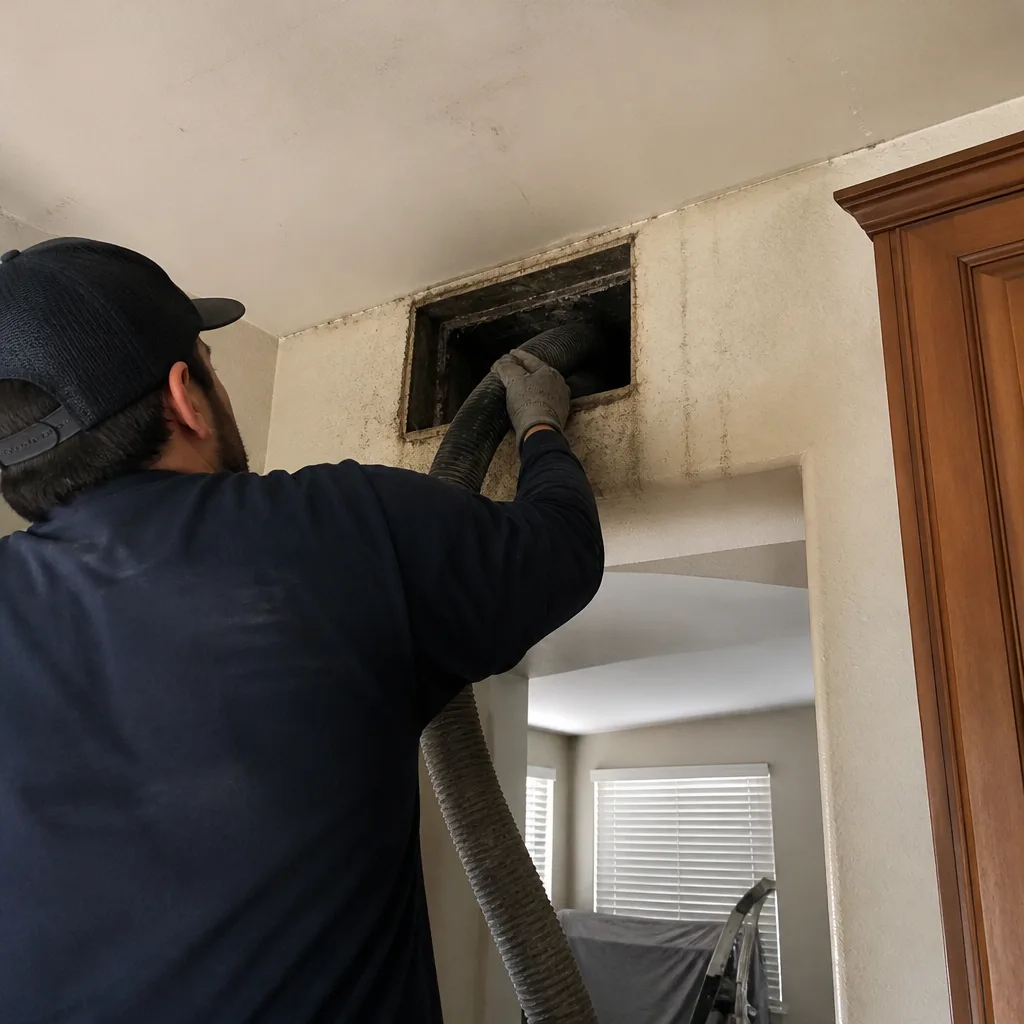 Before
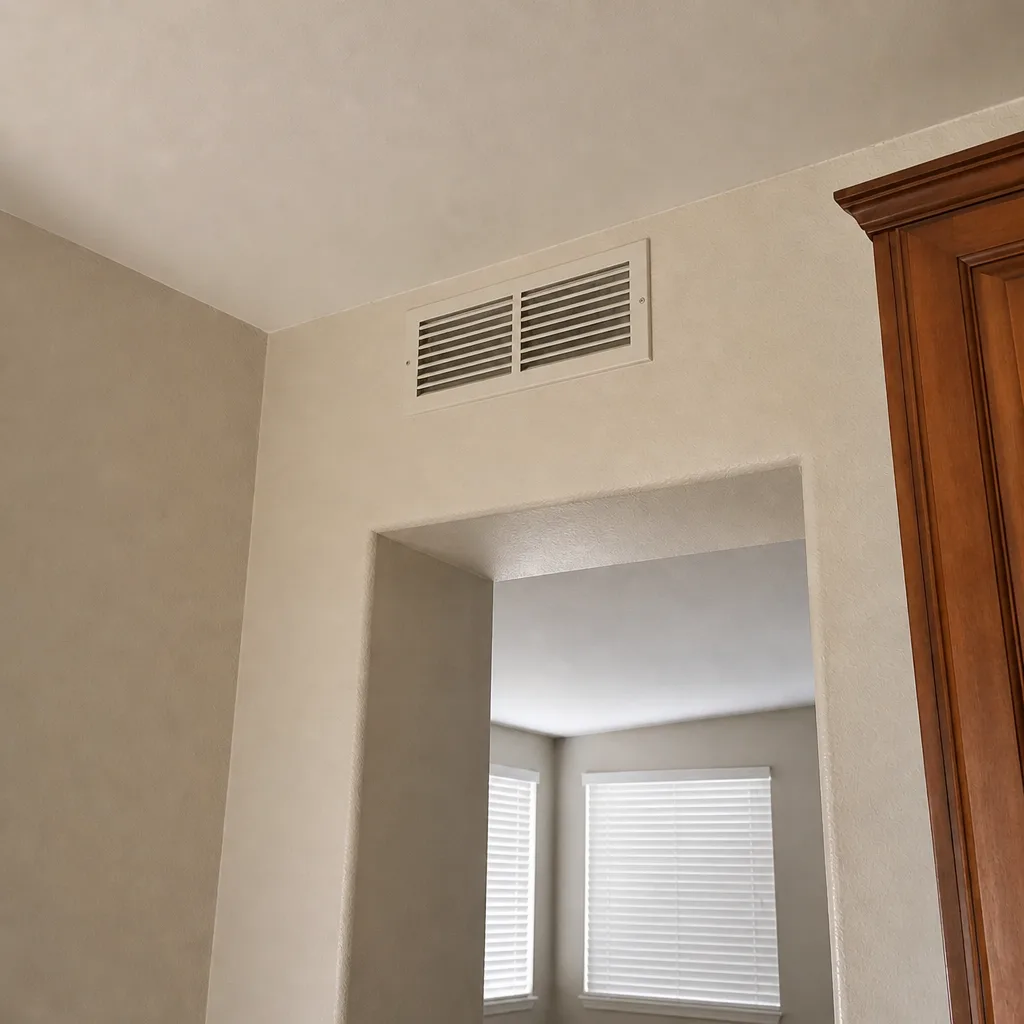 After
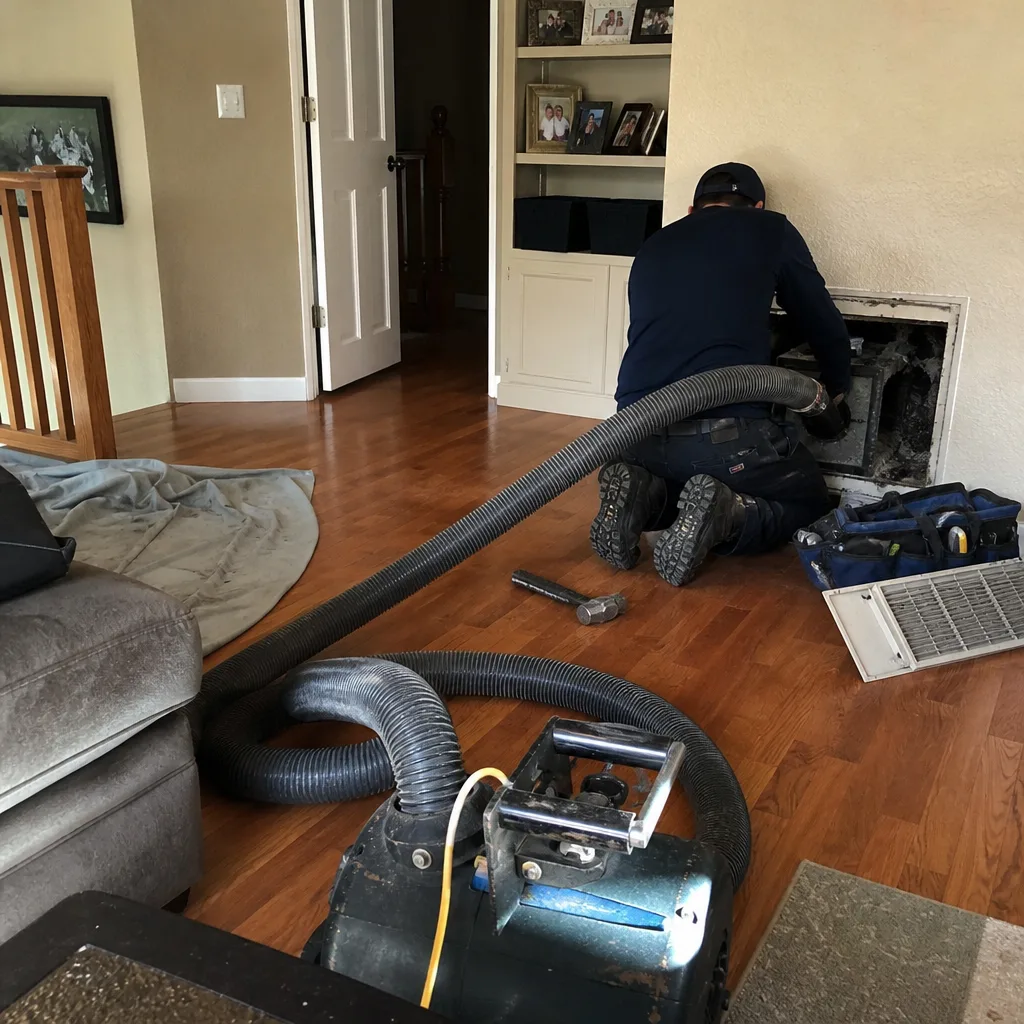 Before
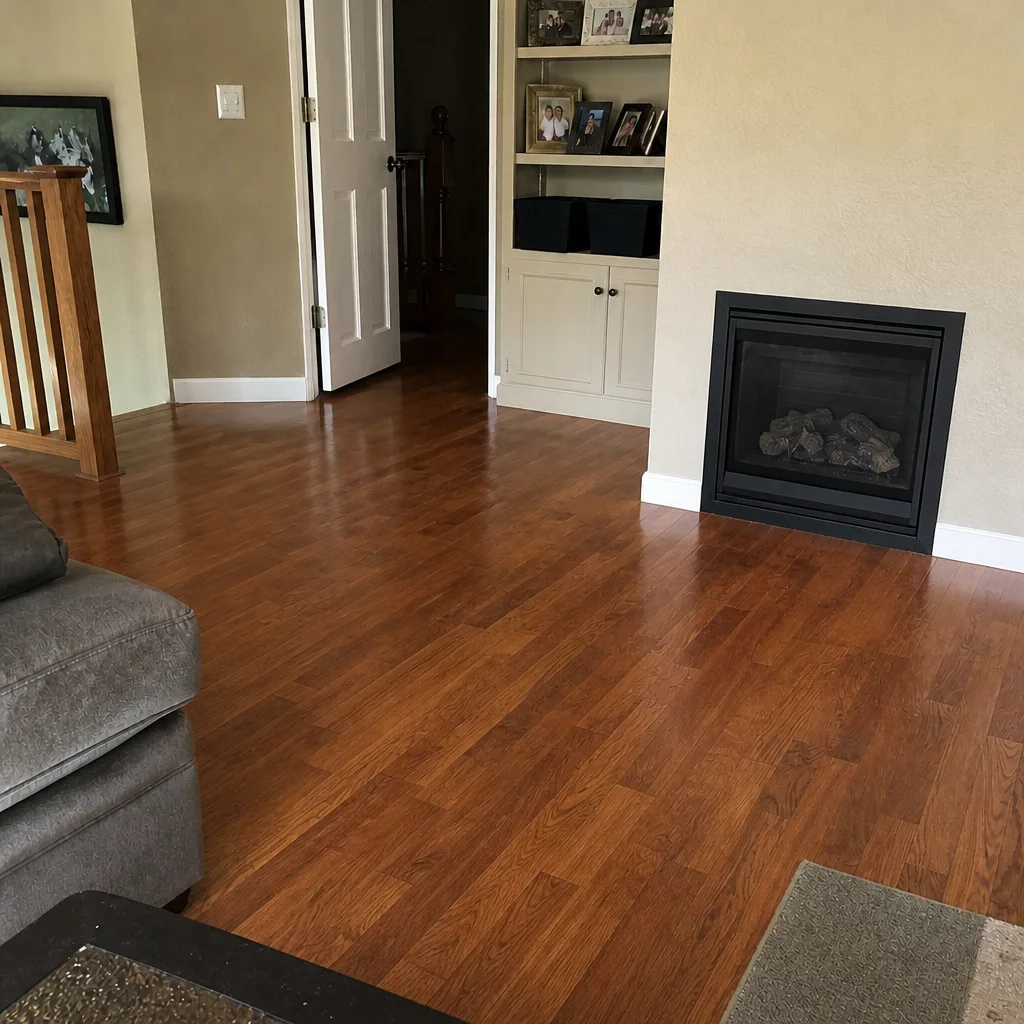 After
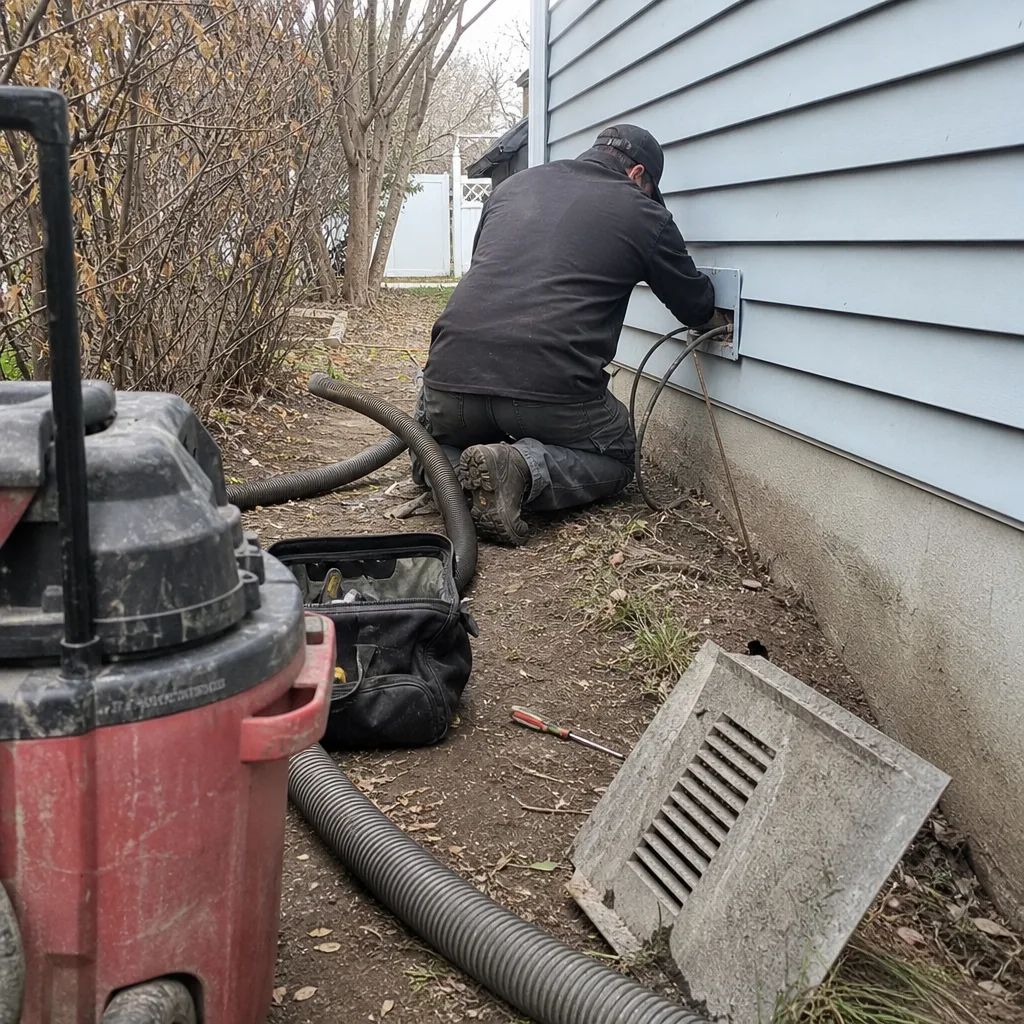 Before
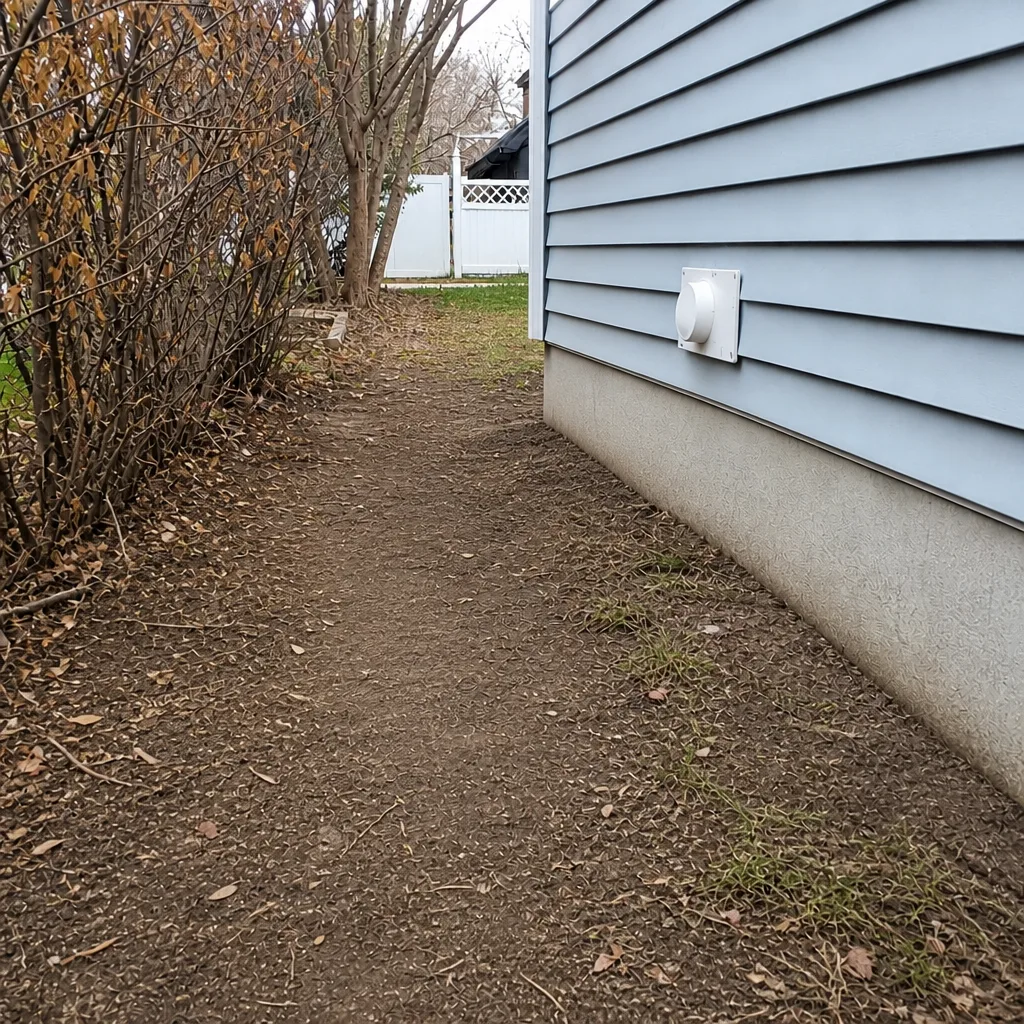 After
When to Call a Professional
Smoke and flood emergencies are the clear cases, but a few other situations call for a professional assessment: a system that’s been running during a smoke event with a clogged filter, a musty smell coming from the registers, visible debris or water staining around a register, or a flood that reached the equipment area. A professional can measure the duct interior, document the condition, and recommend cleaning, sealing, or replacement. Draper Air Duct Cleaning Pros offers free estimates in Draper – call (855) 550-7165. We answer 24/7. Fast dispatch from 7am to 7pm, Sunday through Friday. Our technicians have up to 12 years of experience with the equipment this work requires.
Frequently Asked Questions
Book the cleaning once the outdoor air has cleared, usually within a few days of the event, and before you resume normal system use. Cleaning while smoke is still heavy just exposes clean ducts to fresh contamination. Until then, run recirculate with a fresh filter. Call (855) 550-7165 for an exact quote – estimates are free.
Not always. If you reach a professional within 48 to 72 hours of the water entering the system, drying and cleaning can usually save the ductwork. Past that window, saturated liner and insulation may need replacement rather than cleaning. The assessment decides which path you’re on.
Sanitizing uses an EPA-registered antimicrobial applied under negative pressure so it reaches the full duct interior; a surface spray only coats the register openings. Cleaning comes first, then sanitizing, because the treatment works best on a clean surface. Ask what equipment and product a contractor uses before booking.
Use dated before-and-after photos of the duct interior, any air quality readings your professional takes, and a written assessment report that identifies the contamination and the method used to clean. Keep your own copies. A report with specifics is what makes a claim easier to approve.
Coverage depends on your policy and the cause; flood and fire coverage are often separate. The documentation is what matters either way: photos, readings, and the written report support the claim. Talk to your insurer early and keep the records together.
The whole system needs it. Smoke moves through supply and return, the plenum, and the blower housing together, and cleaning one side leaves the source. A full-system pass is what produces air you can actually verify is cleaner. Call (855) 550-7165 for an exact quote – estimates are free.
The Bottom Line
Your ducts are an emergency-readiness gap that most plans miss. After wildfire smoke, run recirculate with a fresh filter, shut the system down once the outdoor air clears, and clean the full system before you resume normal use. After a flood, kill the HVAC at the breaker, get the water out, and reach a professional within 48 to 72 hours so the system can be dried and cleaned rather than replaced. Clean, sealed, and sanitized is the full progression, and the photos, readings, and written report are what make the insurance claim work. If you’re in Draper and the phone is in your hand, call and we’ll help you get the sequence right.
To get an estimate, call (855) 550-7165. We answer 24/7. Fast dispatch from 7am to 7pm, Sunday through Friday. A call outside dispatch hours is booked into the next opening. The local pro is licensed and insured as their state requires, the estimate is free, and the written estimate sets the final price.
Written by the team at Draper Air Duct Cleaning Pros.