
Last updated November 24, 2026
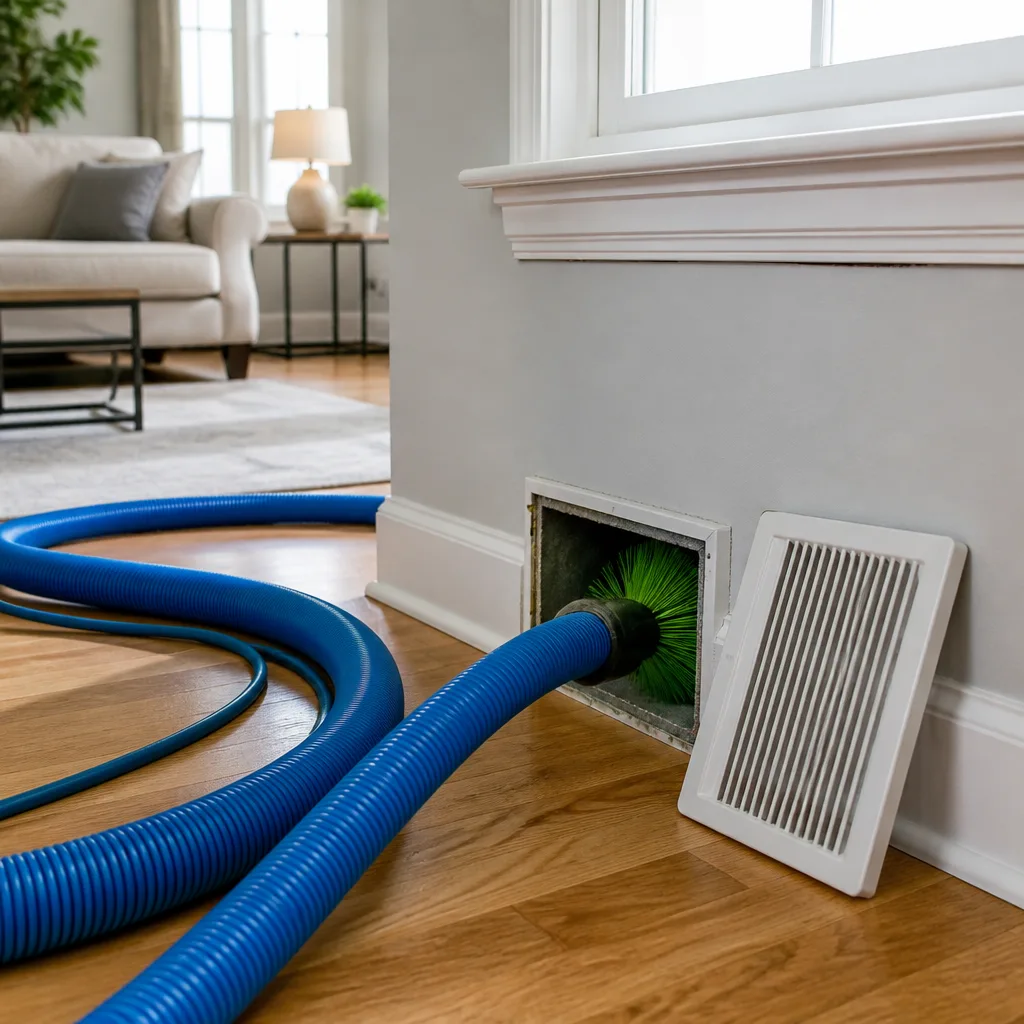 Whole-home duct cleaning
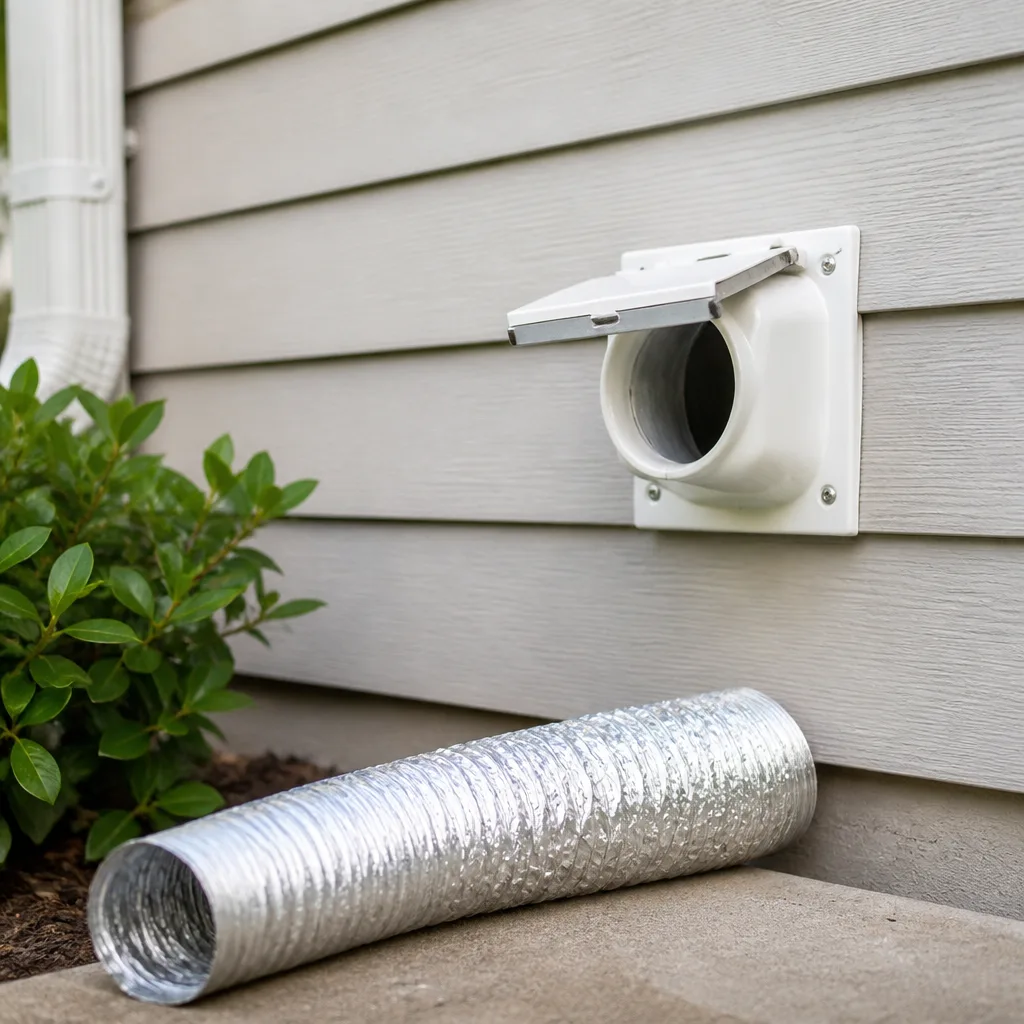 Dryer vent cleaning
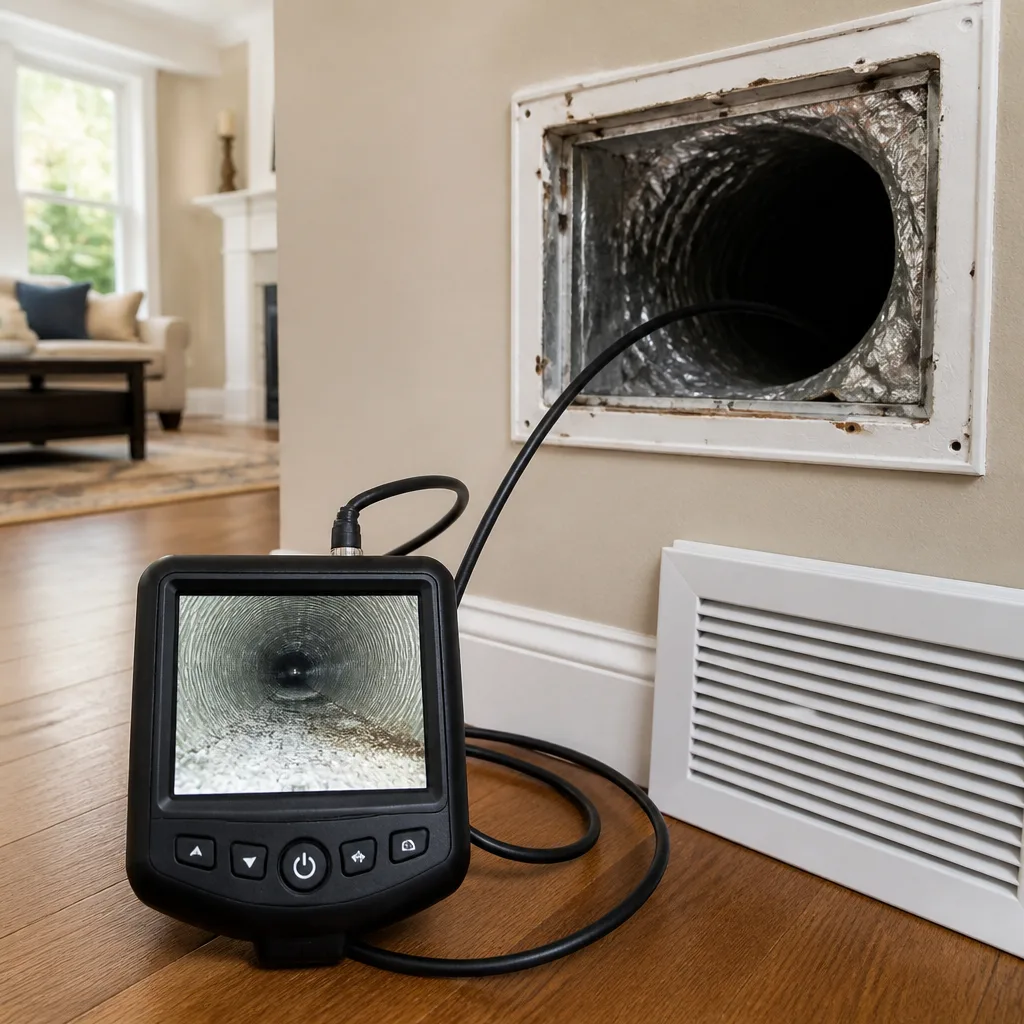 Camera inspection
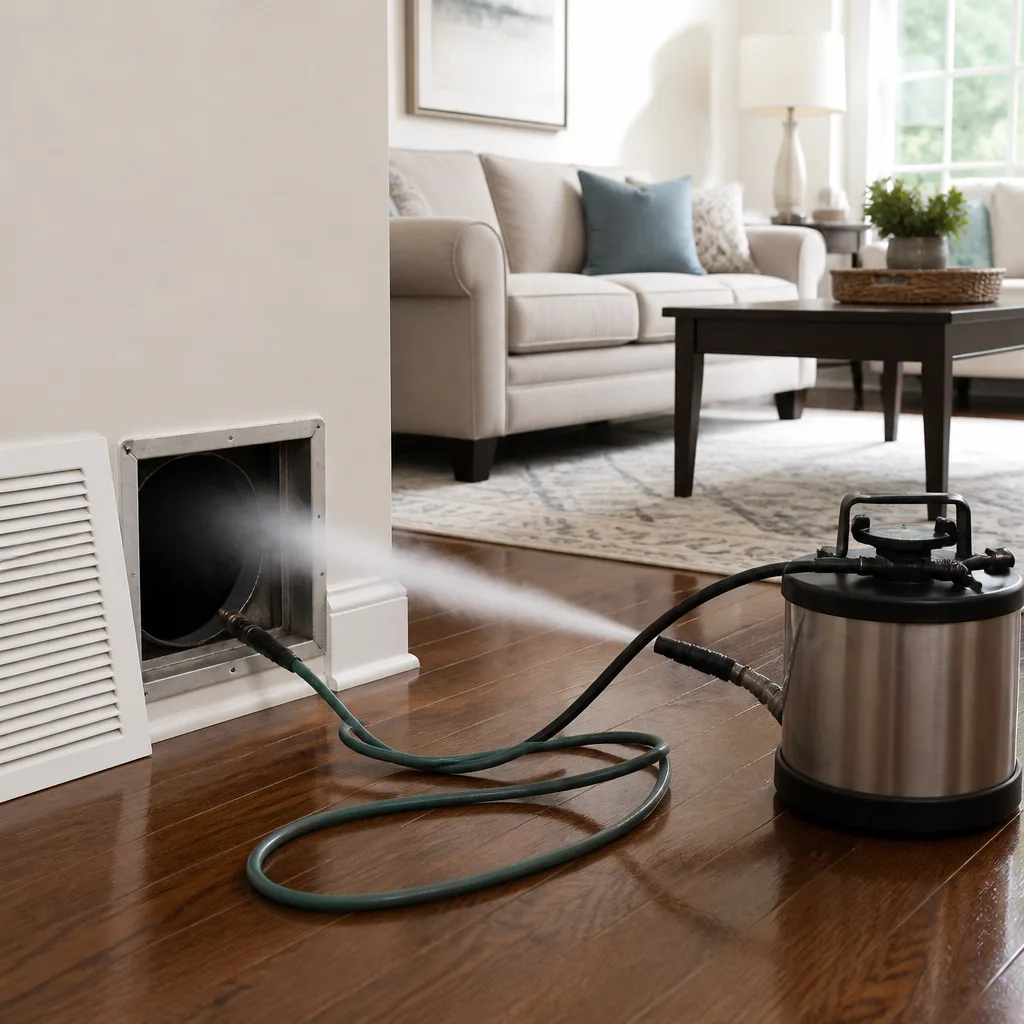 Sanitizing & deodorizing
Whole-system duct and dryer vent check with before-and-after photos - you see exactly what came out of your vents
That "$99 whole-house special" is a bait ad - the real number appears once they are in your hallway, or the "clean" is a shop-vac at the register. We photograph the inside of your ducts before and after instead.
Air Duct Cleaning Permits, Codes & Inspections in Draper, UT: What You Need to Know
Nobody pulls a permit to vacuum a duct. That part is simple. But the work that often follows a cleaning – sealing a leaking joint, replacing a crushed flex run, adding a UV system – crosses a line into mechanical permit territory under Utah’s adopted codes, and most Draper homeowners never find out until a buyer’s inspector flags it. A cleaning is maintenance. A modification is construction, and construction has paperwork attached to it. This guide walks through exactly where that line sits, what the code actually says about ductwork and dryer vents, how unpermitted work surfaces during a home inspection, and what to verify before you let anyone touch the duct system in your Draper home.
Quick Answer
Routine air duct cleaning does not require a permit in Draper, UT, because it changes nothing about the mechanical system. Any work that cuts, adds, resizes, reroutes, or replaces ductwork does require a mechanical permit, and dryer vents have their own installation rules under the International Residential Code. Ask any contractor to show you the permit before work begins on a repair or modification.
Styles & brands we work with
- Whole-home duct cleaning
- Dryer vent cleaning
- Camera inspection
- Sanitizing & deodorizing
Table of Contents
- Where the Line Sits: Cleaning vs. Mechanical Modification
- What Draper City’s Building Department Requires
- How to Verify a Contractor Pulled the Right Permit
- How Unpermitted Duct Work Shows Up on Home Inspections
- Dryer Vent Code Requirements Under IRC M1502
- When an HOA Adds Another Layer of Approval
- Why Draper’s Climate and Housing Make These Codes Matter
- Common Mistakes to Avoid
Where the Line Sits: Cleaning vs. Mechanical Modification
The distinction matters because it decides whether your project needs a permit, an inspection, and a paper trail. Cleaning removes debris from an existing system without changing its size, shape, or routing. Modification changes the system itself. Utah adopts the International Mechanical Code, and that code governs how ductwork is installed, supported, sealed, and connected to appliances – so the moment a contractor alters any of that, the code applies.
Here is the practical breakdown we walk homeowners through in Draper:
- No permit needed: rotational brushing, negative-pressure extraction, sanitizing an existing system, cleaning the blower compartment, and pulling debris from return and supply runs. None of this changes the mechanical system.
- Permit likely required: cutting a new supply register into a trunk line, replacing a section of flex duct, rerouting a run, resizing a duct to correct airflow, or installing a new return.
- Permit required: installing a UV purification unit wired into the HVAC system, adding a whole-home filtration cabinet such as an Aprilaire unit to the return plenum, or any work that involves the electrical or gas connection of HVAC equipment.
Repair and sealing occupies a murky middle that trips people up. Sealing an accessible joint with mastic is often treated as maintenance. Cutting out and replacing a damaged duct section is not. When in doubt, the safe move is to ask the contractor a direct question: “Will this work require a mechanical permit in Draper City?” A technician who knows the code will answer without hesitation.
This is one reason we offer duct repair and sealing as a separate service from a standard air duct cleaning. The two jobs have different scopes, different tools, and different paperwork obligations. Keeping them distinct keeps the project honest.
What Draper City’s Building Department Requires
Draper City runs its own building department and issues mechanical permits for residential HVAC work performed within city limits. The department follows the mechanical code Utah has adopted statewide, which means the requirements you read about at the state level generally apply in Draper without local amendment. What the city adds is the process: an application, a plan review for anything beyond a simple swap, an inspection at the right stage, and a final sign-off.
What a mechanical permit for ductwork typically covers:
- Application and scope. The contractor files the project scope with the city, describing the ductwork being modified and where.
- Plan review. Larger projects – a rerouted trunk, a new filtration cabinet – get reviewed before work starts.
- Rough-in inspection. Ductwork is inspected before it’s closed up behind drywall or ceiling.
- Final inspection. Once the system is connected and operating, the inspector verifies the work matches the approved scope.
We won’t quote you a specific permit fee here because fees change and vary by scope. The number to remember is zero surprises: ask the contractor for the permit fee in writing before you approve a repair, and confirm whether it’s included in the bid or billed separately. Some contractors quietly skip the permit to keep a bid low. That’s a red flag, not a bargain.
One Draper-specific wrinkle: homes built in the foothill subdivisions on the east side of the city often have longer duct runs and more complex layouts than homes in the flatter valley-floor neighborhoods. More complexity usually means more inspection scrutiny, so a contractor who’s done this work in Draper before will know what the inspector wants to see.
How to Verify a Contractor Pulled the Right Permit
You don’t have to take anyone’s word for it. Permit records are public, and verifying one takes a phone call or a quick online lookup through Draper City’s building department. Here’s the sequence we suggest to homeowners:
- Ask for the permit number before work starts. A contractor who intends to pull one will have it or can tell you when it will be issued.
- Look up the permit through Draper City’s building department. Search by address. The record should list the scope of work and the contractor of record.
- Check the scope against your project. A permit for a “furnace replacement” doesn’t cover ductwork modification. The scope must match.
- Confirm the inspection happened. A permit that was never inspected is not closed. Ask for the final inspection result.
- Get the closeout documentation. Keep a copy with your home records. It’s the proof a future buyer will ask for.
We also recommend asking two questions before you hire anyone: “Who is pulling the permit, you or me?” and “Does your bid include the permit fee?” A reputable contractor pulls it themselves. Homeowner-pulled permits exist, but they shift the liability onto you if the work is wrong.
While you’re verifying, run the standard checks too. Confirm the contractor carries general liability insurance and workers’ compensation coverage, and that the local pro is licensed and insured as their state requires. These are table stakes for any legitimate mechanical contractor working in Draper.
How Unpermitted Duct Work Shows Up on Home Inspections
A home inspector doesn’t need a permit record to spot unpermitted work. They find it in the ducts themselves, and once they flag it, the report is on the table for every buyer who comes next. Here’s what they typically look for:
- Foil-tape patches on flex duct. A proper repair replaces the damaged run. Foil tape over a crushed section is a temporary fix at best and an obvious tell.
- Disconnected or sagging flex runs in the attic. Inspectors crawl attics. A run that’s pulled loose from a register boot shows up in the photos.
- Duct board cut into a plenum without a proper connection. Sharp edges, exposed fiberglass, no mastic. It reads as a homeowner fix.
- New register cut into drywall with no boot, no duct, or no seal. Common in finished basement remodels.
- UV or filtration equipment wired to an unswitched circuit. The electrical inspector’s territory, but the home inspector notes it.
What this costs a seller at closing comes down to negotiation, not a fixed number. The buyer’s agent will ask for a credit, the seller commissions a correction, and the correction requires a licensed contractor and a permit that should have been pulled the first time. Sometimes the deal stalls entirely while the paperwork catches up.
Here’s the uncomfortable part: a buyer’s lender can also object to unpermitted mechanical work, especially on government-backed loans. That turns a cosmetic problem into a financing problem. Getting the permit right the first time is cheaper than explaining it later to a buyer, an inspector, and a lender in the same week.
Dryer Vent Code Requirements Under IRC M1502
Your dryer vent is a fire risk, not a maintenance footnote. The International Residential Code section M1502 spells out how a dryer exhaust system must be installed, and the rules exist because lint accumulation plus heat plus a running appliance is a genuine household fire hazard. This is the one part of the duct system where code violations are common and the consequences are serious.
The core requirements under M1502:
- The exhaust duct must be smooth, rigid metal. Flexible foil or plastic transitions are not permitted as the main run.
- The duct must terminate outdoors, not in an attic, crawl space, garage, or under the house.
- The termination must have a backdraft damper and no screen.
- The duct run should be as short and straight as practical, with limited elbows, because each bend reduces airflow.
- The duct must be supported and the joints secured.
Why this is an insurance issue, not just a fire risk: an insurer investigating a dryer fire will look at the vent installation. A vent that violates M1502 – plastic transition hose, venting into the attic, no damper, an unreasonable run of elbows – gives the insurer a defensible reason to question coverage. Your policy language around code compliance is what governs, so read it or ask your agent. The point is that a code-compliant vent protects more than your safety.
In Draper homes with laundry rooms on the main floor and dryers set far from an exterior wall, the vent run often runs long. Long runs clog faster and trap more lint. That makes regular dryer vent cleaning a safety service, not a nice-to-have. If a contractor is installing a new dryer vent for you, ask them to confirm it meets IRC M1502 before they close the wall.
When an HOA Adds Another Layer of Approval
Draper has plenty of newer planned communities where an HOA governs more than the paint color. In those neighborhoods, an HVAC modification that’s visible from outside – a relocated condenser, a new vent termination on an exterior wall, a rooftop exhaust – can require architectural review committee approval on top of the city permit. The permit proves the work is legal. The HOA approval proves it’s allowed in your neighborhood.
The practical sequence for anything visible from outside:
- Read your HOA’s architectural guidelines for mechanical equipment and exterior venting.
- Submit the project to the architectural review committee before scheduling the work.
- Get the city mechanical permit from your contractor.
- Complete the work and pass the city inspection.
- Keep both sets of documentation: the HOA approval and the permit closeout.
Duct cleaning itself almost never triggers an HOA review because nothing visible changes. Sealing and repair done entirely inside the building envelope usually don’t either. It’s the exterior-visible modifications that draw attention – and occasionally a neighbor’s complaint. Save yourself the headache by checking the guidelines first.
Why Draper’s Climate and Housing Make These Codes Matter
Draper sits along the Wasatch Front in a high-desert valley, which means low humidity most of the year, sharp winter cold, and a long cooling season. That climate pushes HVAC systems through real work, and it puts specific stress on the duct system:
- Winter cold and attic ductwork. Duct runs in unconditioned attics lose heat fast in a Draper winter. A leaking joint that would barely matter in a mild climate becomes a real energy penalty here.
- Summer cooling load. Long cooling seasons mean return-side leaks pull hot attic air into the system instead of cool house air. Sealing returns matters as much as sealing supplies.
- Dust and pollen from the valley. Spring pollen and summer dust load up filtration. Homes with whole-home filters such as Honeywell or Aprilaire systems depend on the ductwork being tight enough to force air through the filter rather than around it.
- Dry air and static. Low humidity means more dust movement and more static, which makes sealed ducts and clean filters more valuable.
The takeaway: Draper homeowners get more out of a properly sealed system than the national average because the climate stresses it harder. That’s why the modification work that requires a permit is worth doing right. The HVAC cleaning and sealing work we do here is aimed at that specific problem – closing leaks the climate exploits.
Common Mistakes to Avoid
- Assuming a cleaning covers a repair. Cleaning removes debris; repair changes ductwork. If the technician starts cutting during a cleaning, the scope has changed and the permit question has changed with it.
- Skipping the permit to save on a bid. A lower bid that skips the permit just moves the cost to closing, and usually multiplies it. Ask directly and get the answer in writing.
- Letting a contractor pull a permit for the wrong scope. A permit for “furnace replacement” doesn’t cover a new return duct. Match the scope to the actual work.
- Using foil tape on flex duct as a permanent fix. Foil tape on a crushed or disconnected run is a temporary patch that an inspector will flag in about ten seconds.
- Installing a new dryer vent without checking M1502. Flexible plastic transitions, screens on the termination, and venting into an attic are all code violations – and all insurance problems.
- Ignoring the HOA until after the work is done. Exterior-visible HVAC changes in Draper’s planned communities can require architectural review on top of the city permit. Submit before you schedule.
- Not keeping the closeout paperwork. When you sell, an unpermitted modification with no paper trail reads to a buyer like a fix that might be hiding a problem.
See the difference
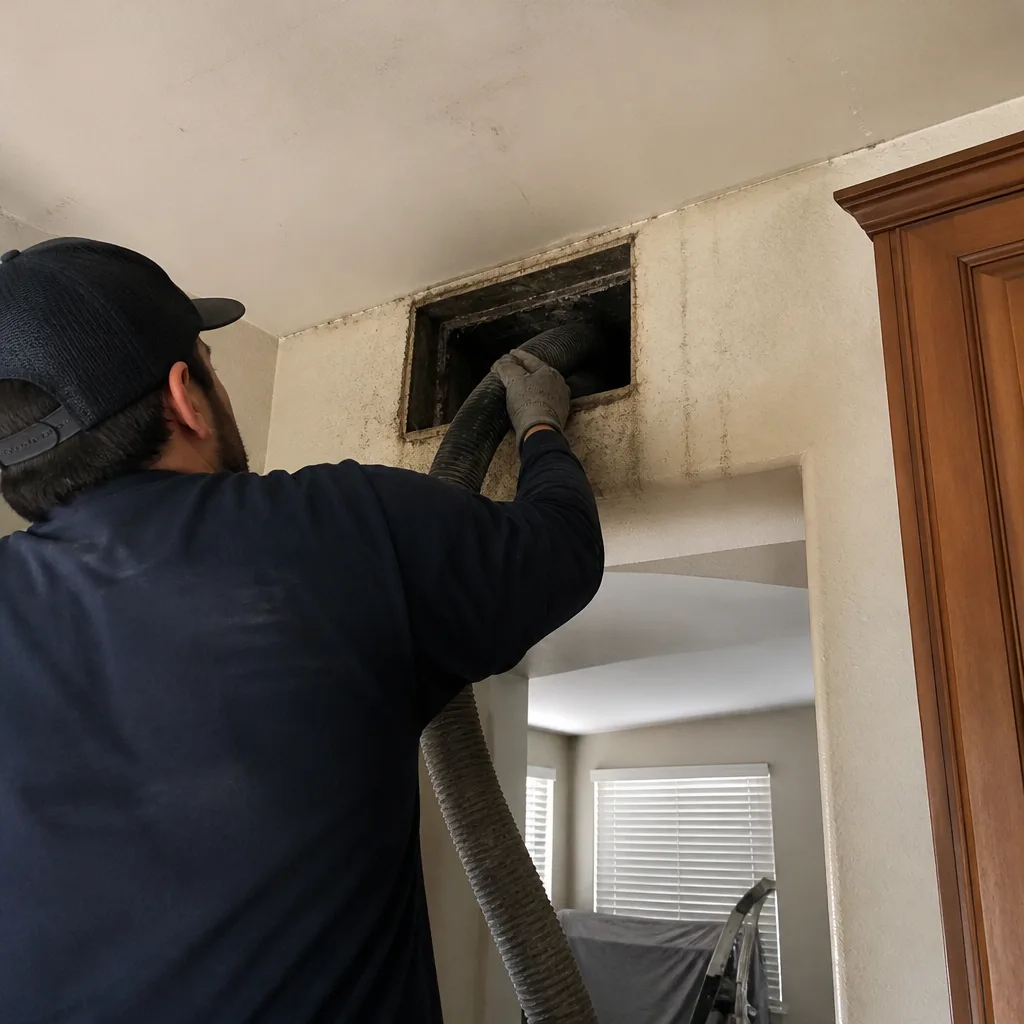 Before
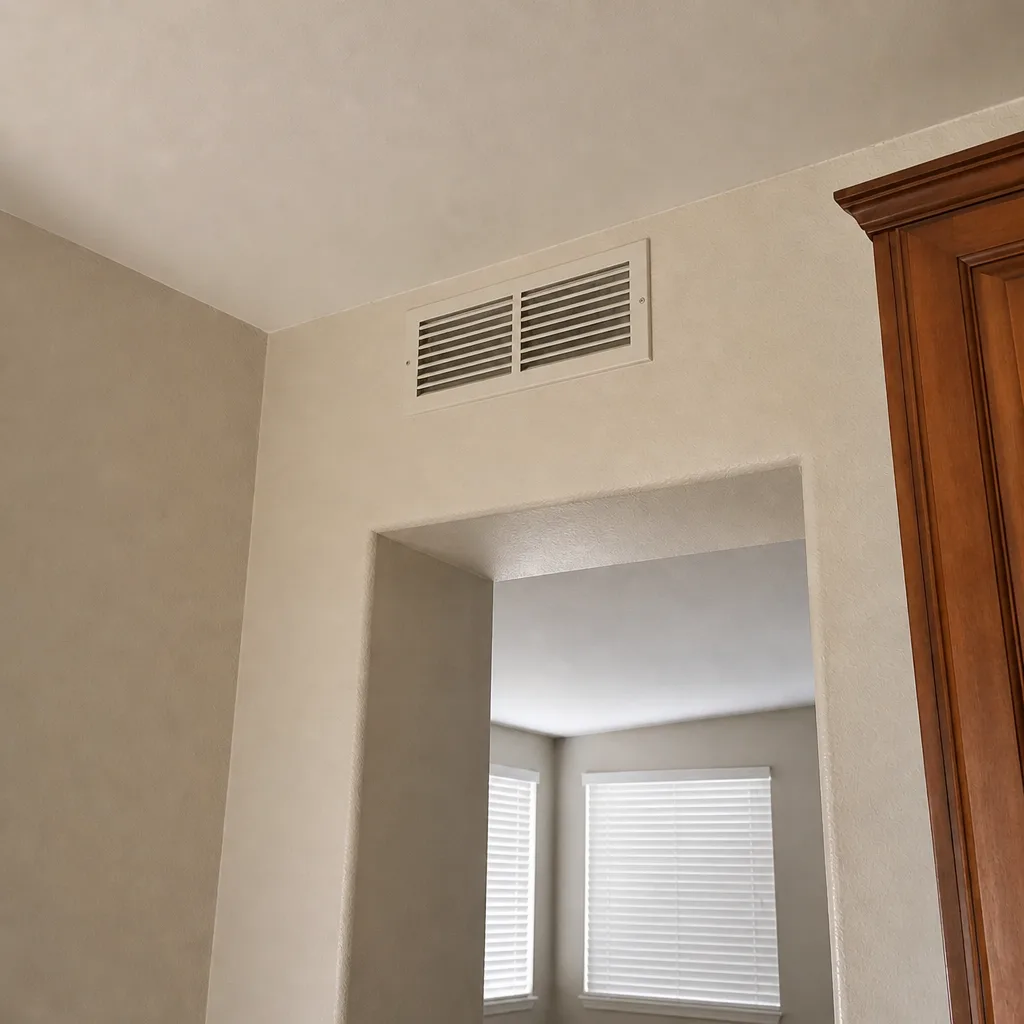 After
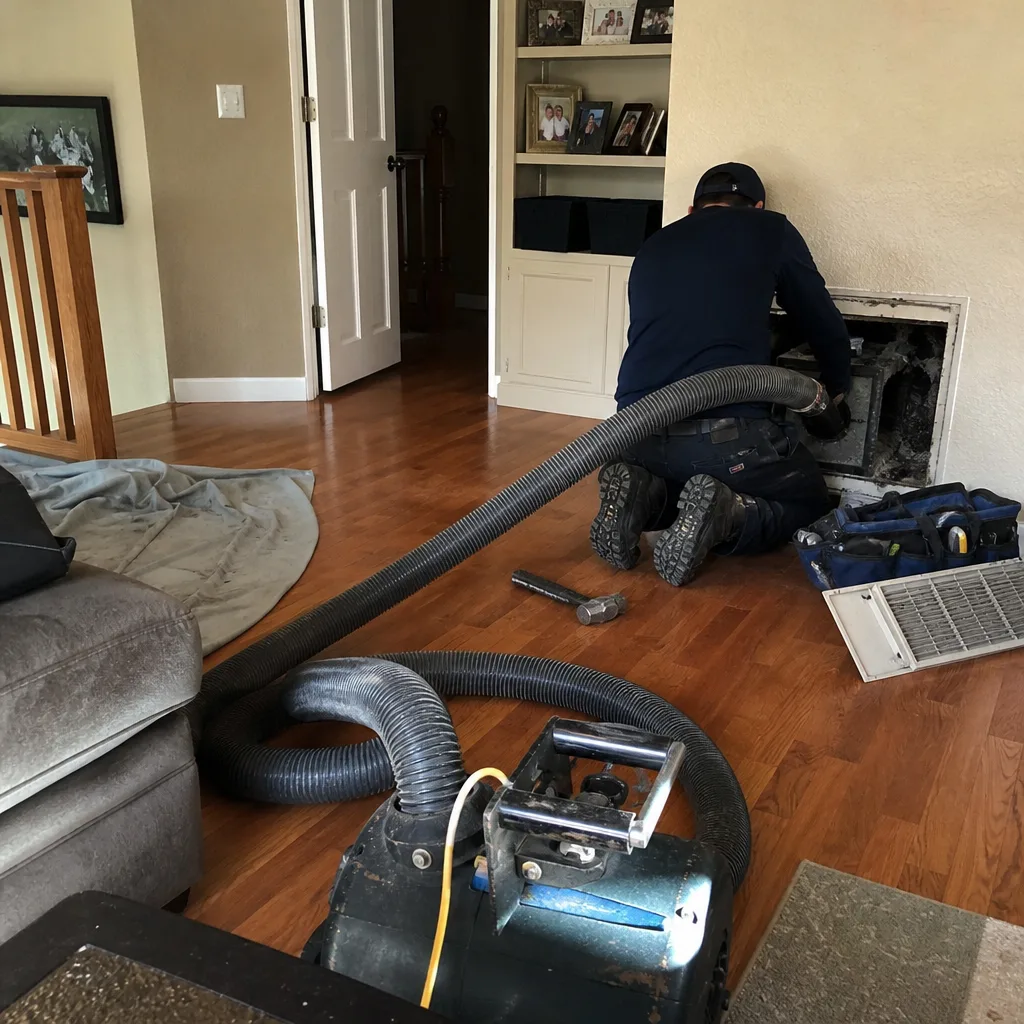 Before
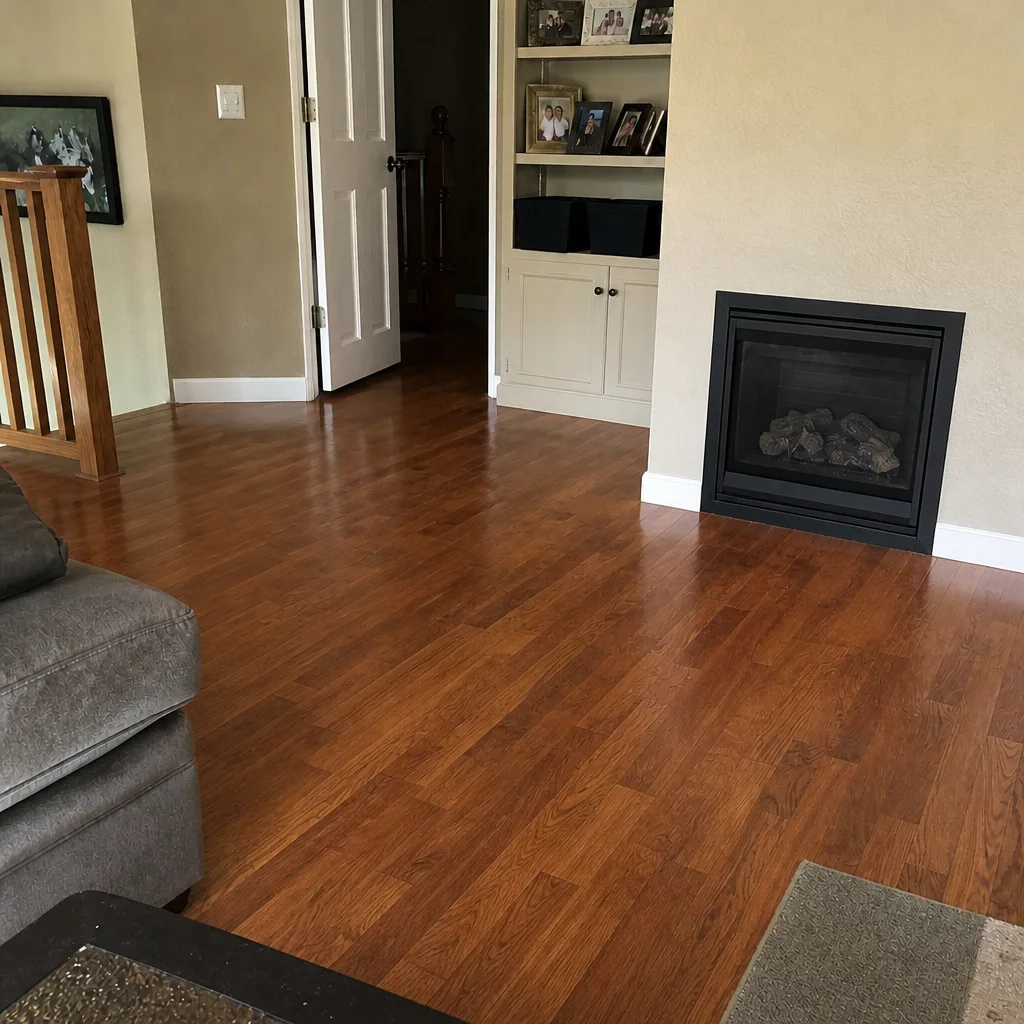 After
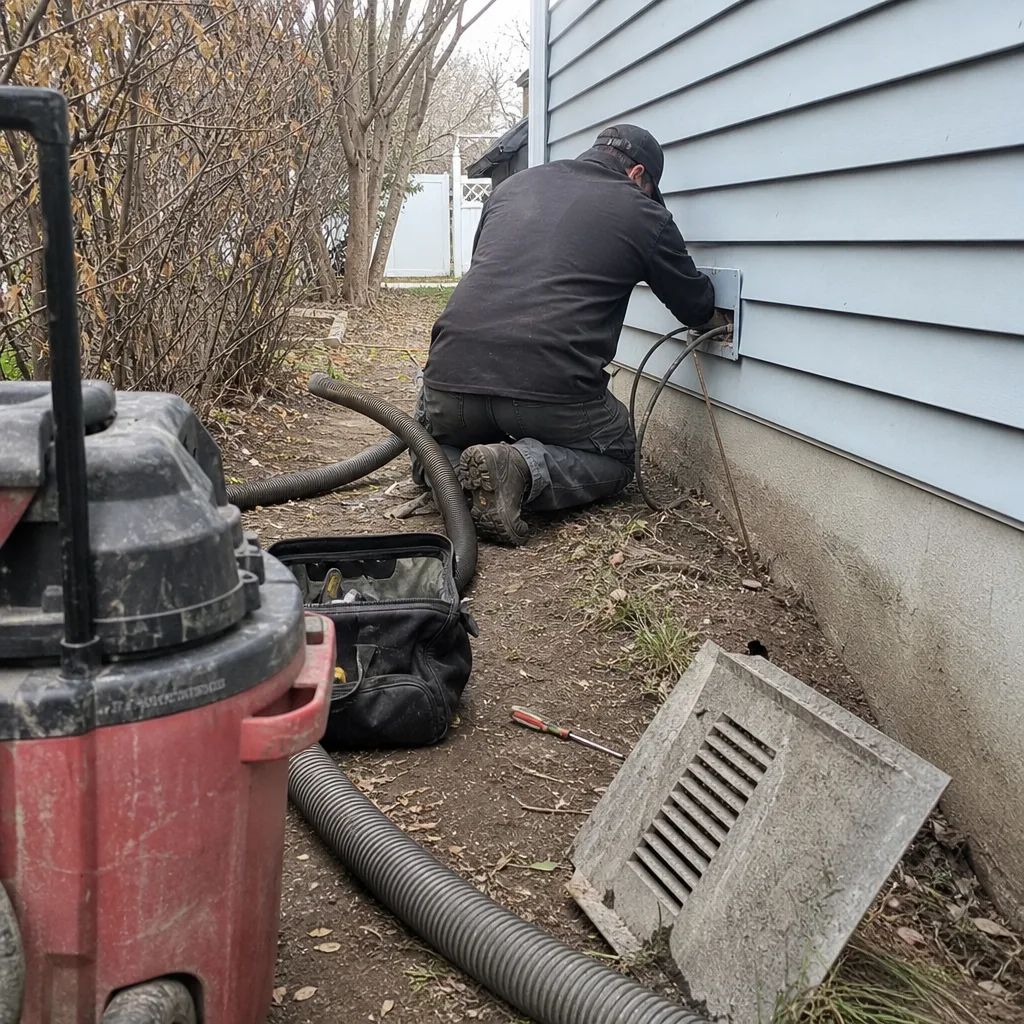 Before
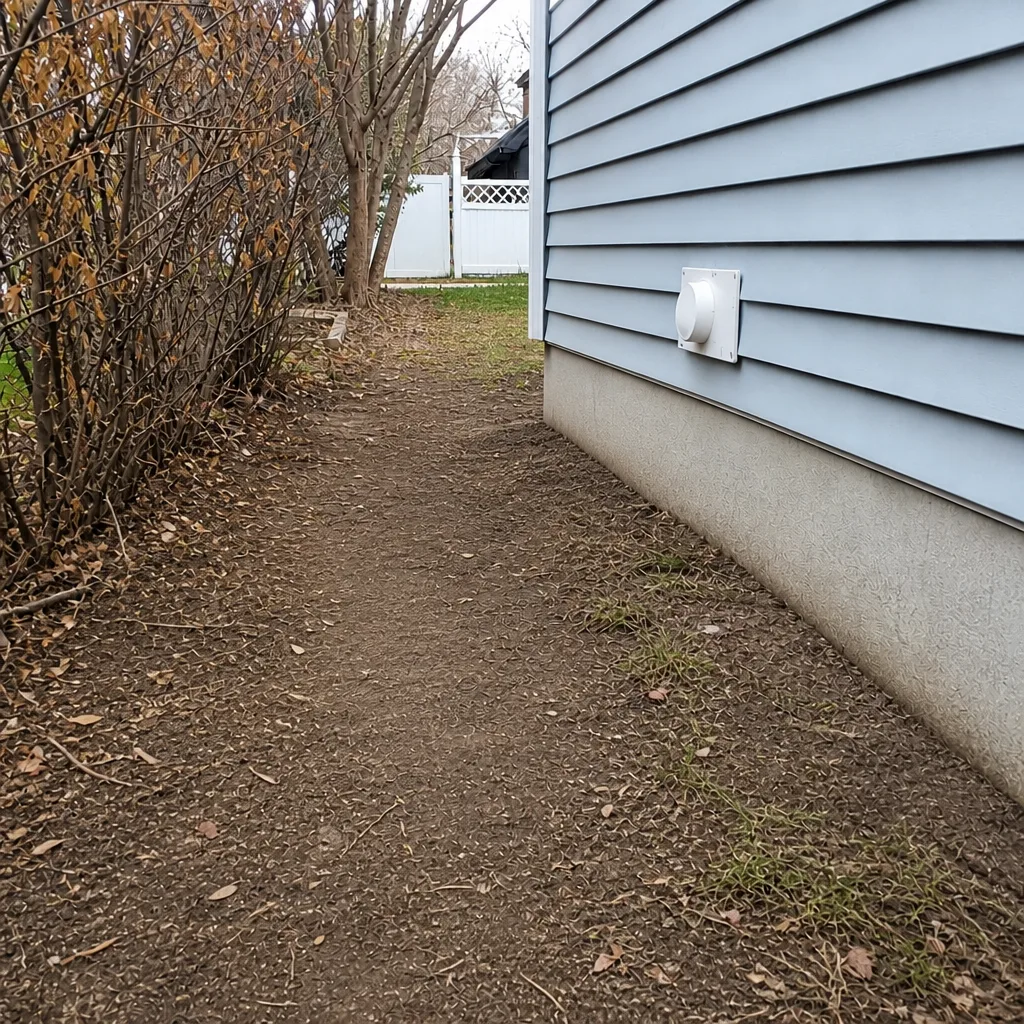 After
When to Call a Professional
Call a professional when a duct run sags or tears and the fix is more involved than a patch, when a register blows weak air after a remodel, when a UV or whole-home filtration system needs to be wired in, or when your dryer vent has never been checked against code. If you’re planning a sale in the next year and you’ve had any duct modification done without a permit, a straightforward inspection can identify what needs correcting before a buyer’s inspector finds it. Duct cleaning on its own is a scheduled job, not an emergency – book it when it’s due, not when it’s urgent. Draper Air Duct Cleaning Pros offers free estimates in Draper. Call (855) 550-7165.
Frequently Asked Questions
No. Standard air duct cleaning does not require a permit in Draper or anywhere else in Utah, because cleaning doesn’t modify the mechanical system. A permit becomes necessary the moment a contractor cuts, replaces, reroutes, or resizes ductwork, or installs new equipment such as a UV unit or filtration cabinet. Call (855) 550-7165 for an exact quote on a cleaning or repair – estimates are free.
Any work that changes the system requires a permit under Utah’s adopted International Mechanical Code. That includes cutting a new supply or return, replacing a duct section, rerouting a run, resizing a duct, and installing equipment wired into the HVAC system. Cleaning, sanitizing, and simple mastic sealing of accessible joints are generally treated as maintenance. When you’re unsure, ask the contractor to confirm before work starts. Call (855) 550-7165 if you want a second opinion on scope.
Look it up through Draper City’s building department using your property address. The record will show the permit scope, the contractor of record, and whether the final inspection was completed. If nothing appears, treat any ductwork modification as unpermitted until proven otherwise. We can walk you through what’s worth correcting before a sale. Call (855) 550-7165.
IRC M1502 requires smooth rigid metal duct, outdoor termination with a backdraft damper and no screen, a short and straight run, and proper support and joints. Flexible plastic transitions and venting into an attic or crawl space violate the code. Beyond the fire risk, a non-compliant vent can complicate an insurance claim. Have your dryer vent inspected and cleaned if it’s overdue. Call (855) 550-7165 for an exact quote.
Yes. Many newer Draper communities have architectural review committees that require approval for anything visible from outside, including relocated condensers and exterior vent terminations. HOA approval is separate from the city permit and both are usually needed for exterior-visible work. Read the guidelines before you schedule the job. Call (855) 550-7165 if you want us to review the scope with you.
Cleaning lives in the range of every few years for most Draper homes, sooner if you’ve done a remodel, have pets, or the system has never been serviced. Dryer vents should be cleaned whenever the run is long or lint is building up, which is more often than most homeowners assume. The code matters for installations, not for frequency. Call (855) 550-7165 for a free estimate on your system.
The Bottom Line
Cleaning is maintenance and needs no permit. Modification is construction and does. That single line explains almost every code question Draper homeowners bring us – and the paperwork attached to the second category is what protects you when you sell. Confirm the permit scope, verify the inspection was closed out, check your dryer vent against IRC M1502, and read your HOA guidelines before anything visible from outside gets changed. We use equipment built for the job – Rotobrush and Nikro systems, Abatement Technologies for air-quality work – because code compliance only matters if the work itself is done right. One call covers cleaning, repair, sealing, and sanitizing. Call (855) 550-7165. We answer 24/7. Fast dispatch from 7am to 7pm, Sunday through Friday, and we’re closed on Saturday.
For the full range of what we handle in Draper, start at Draper Air Duct Cleaning Pros.
Written by the team at Draper Air Duct Cleaning Pros.