
Last updated November 24, 2026
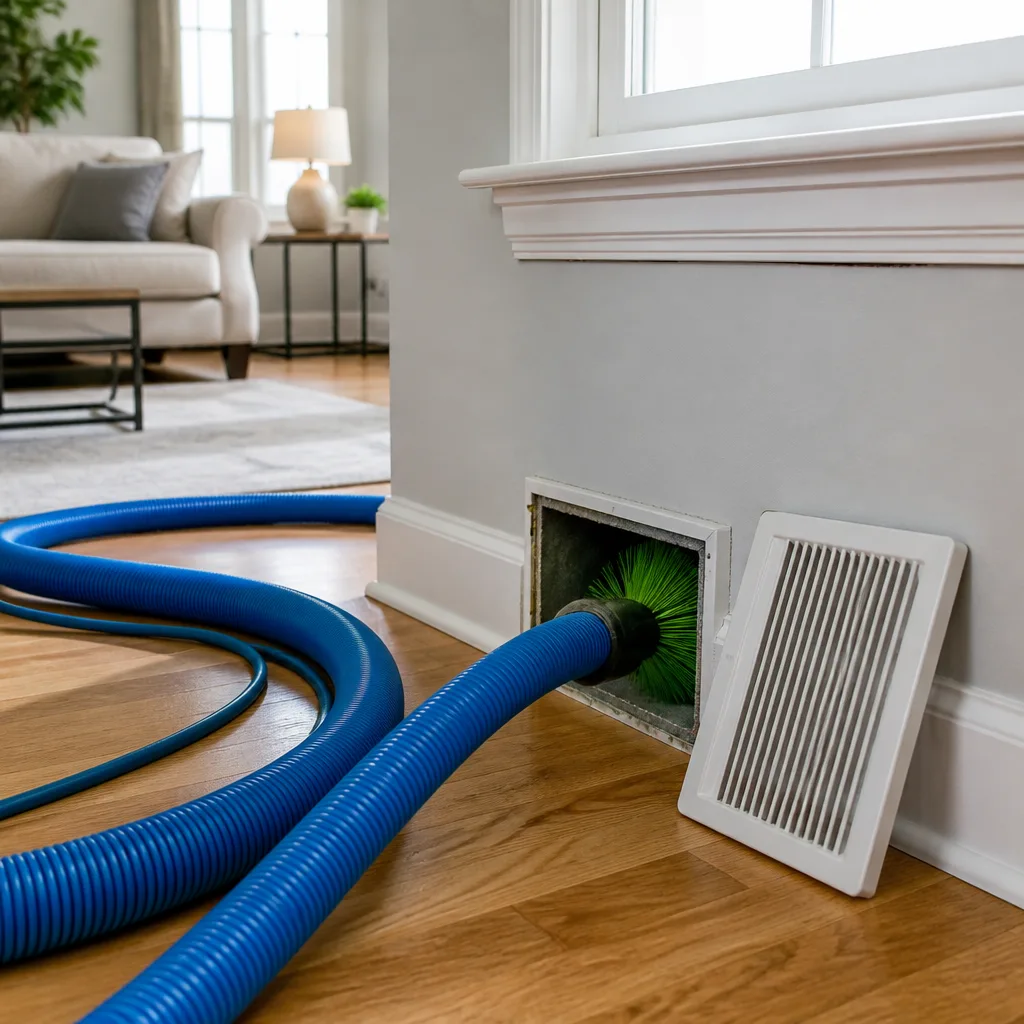 Whole-home duct cleaning
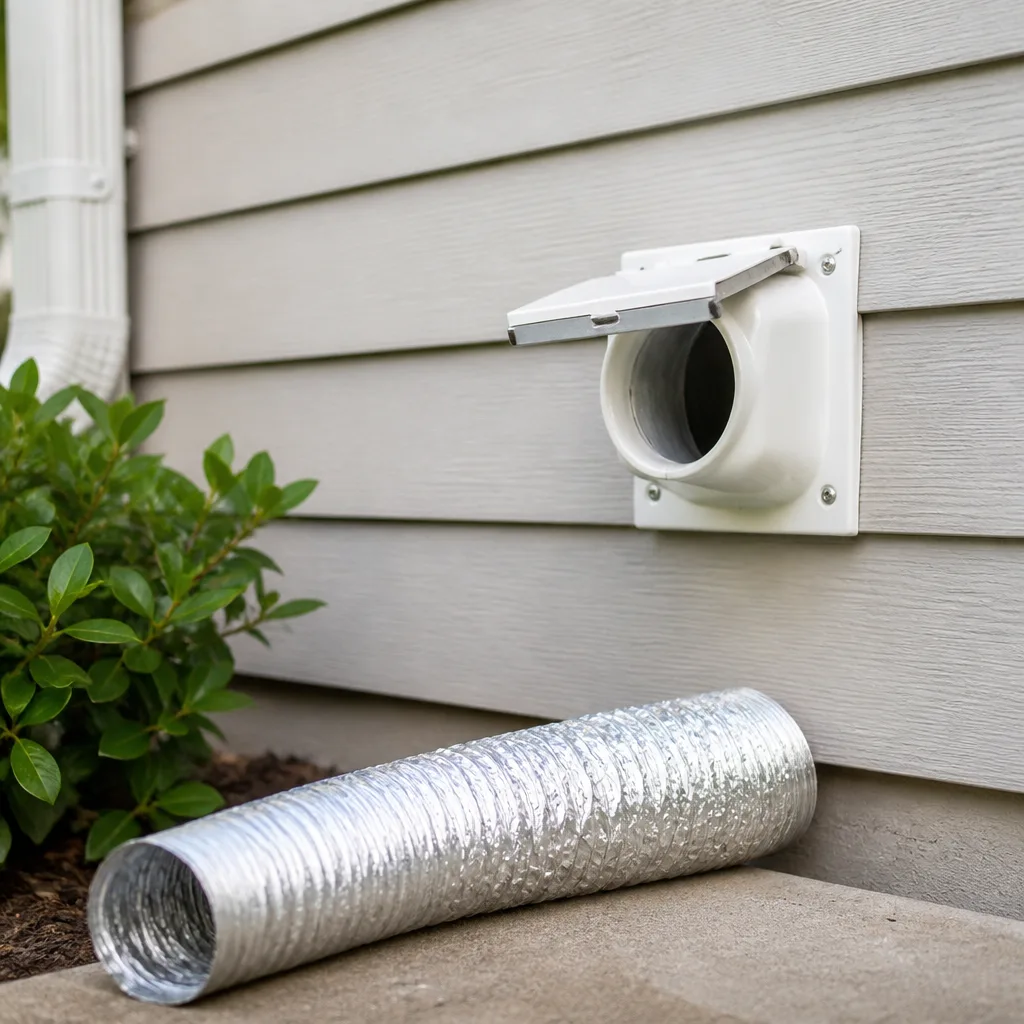 Dryer vent cleaning
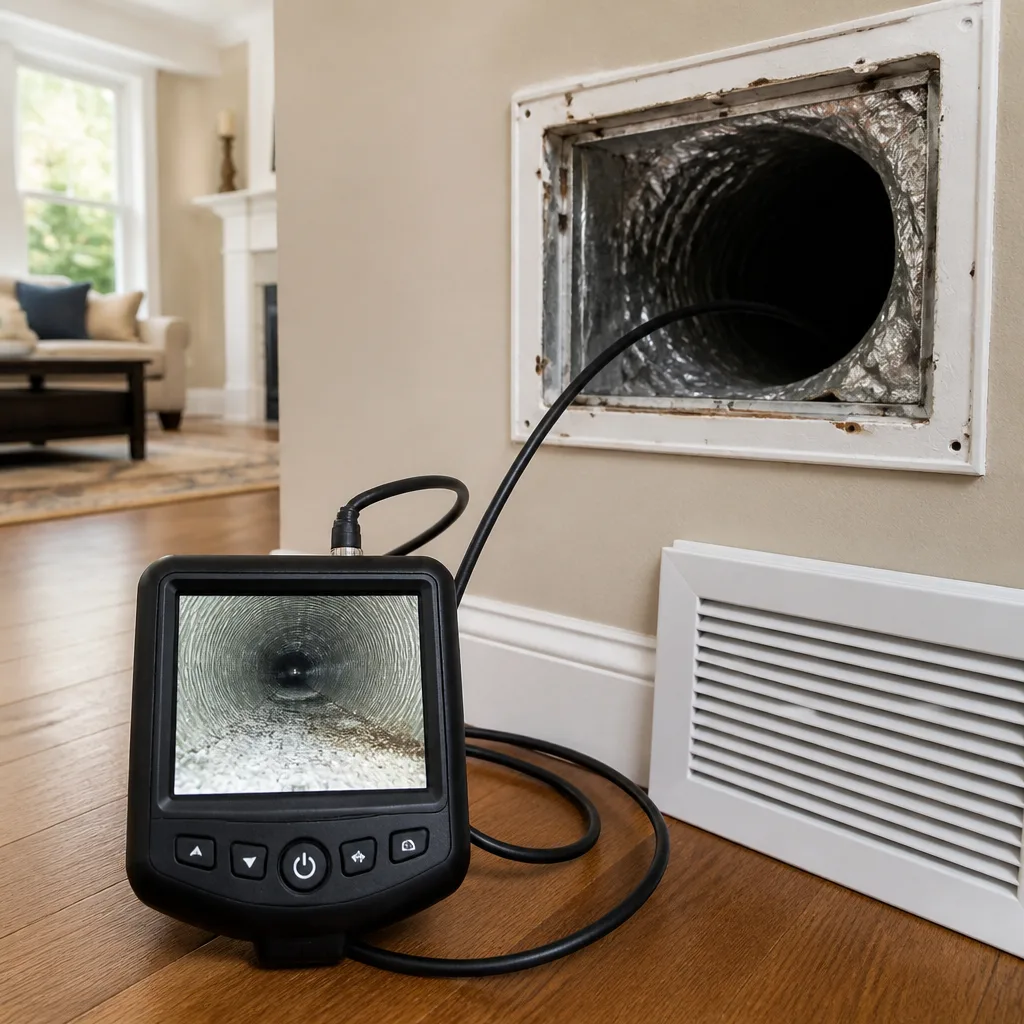 Camera inspection
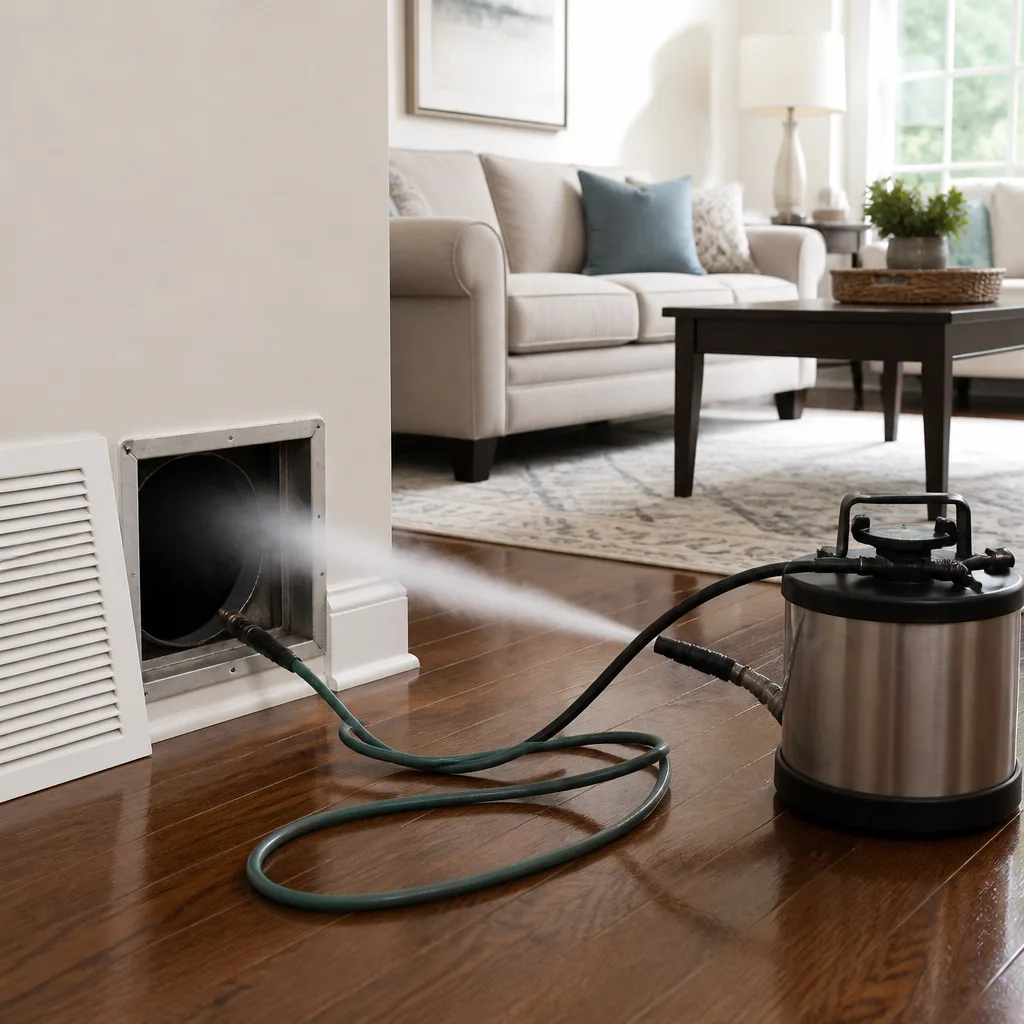 Sanitizing & deodorizing
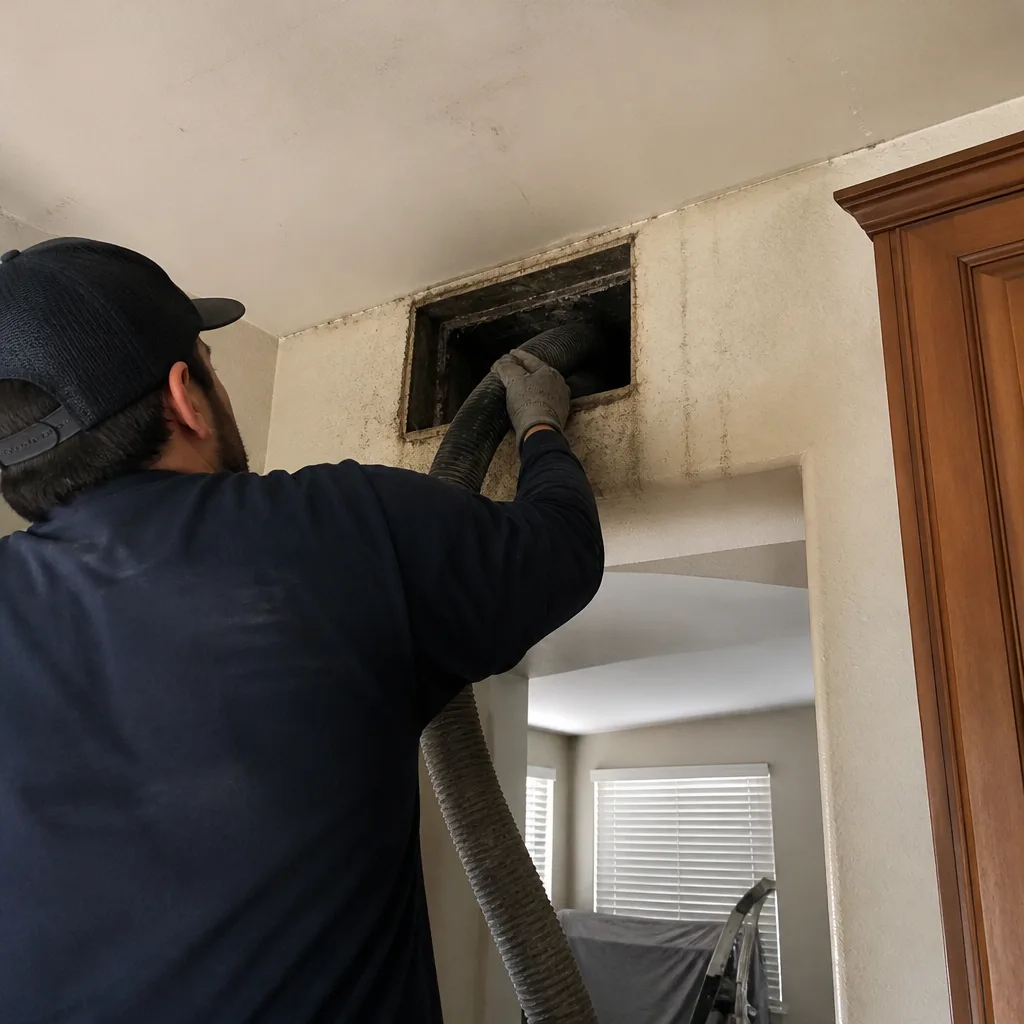
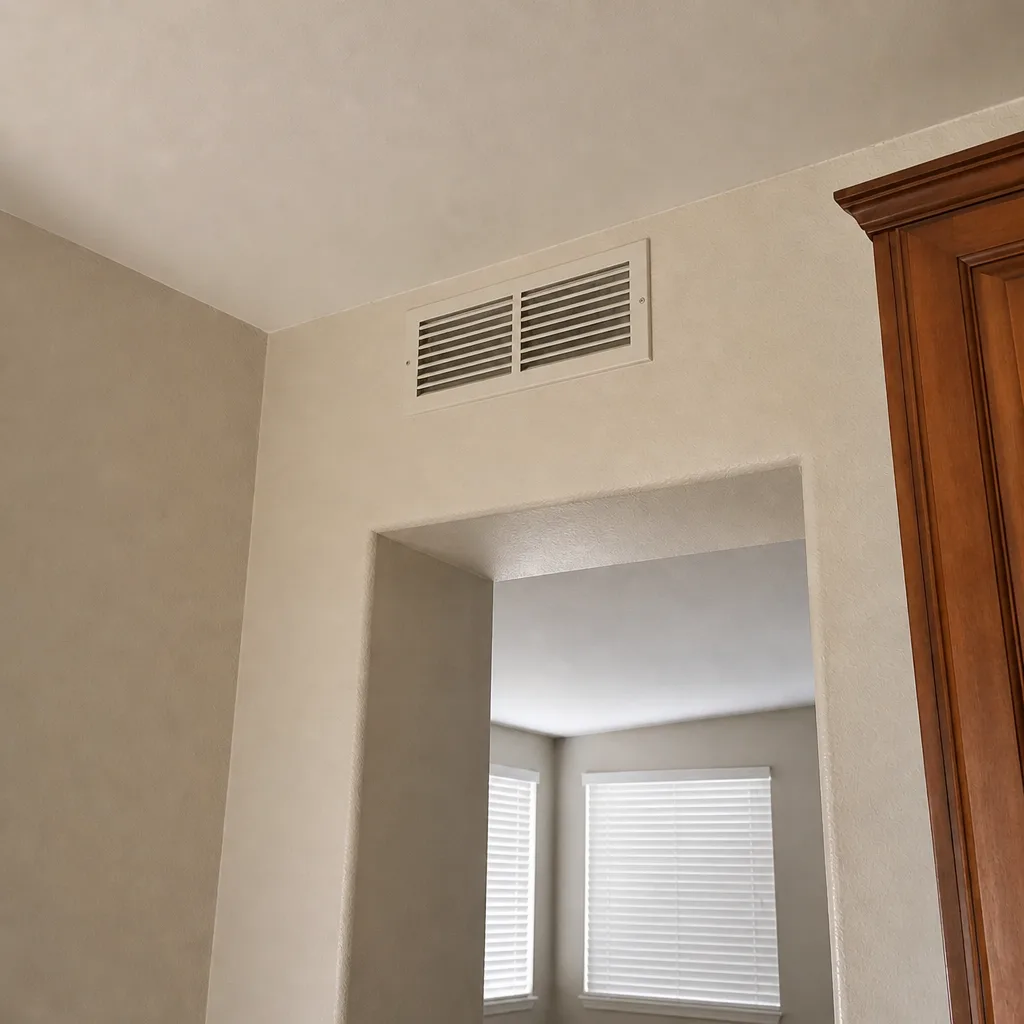
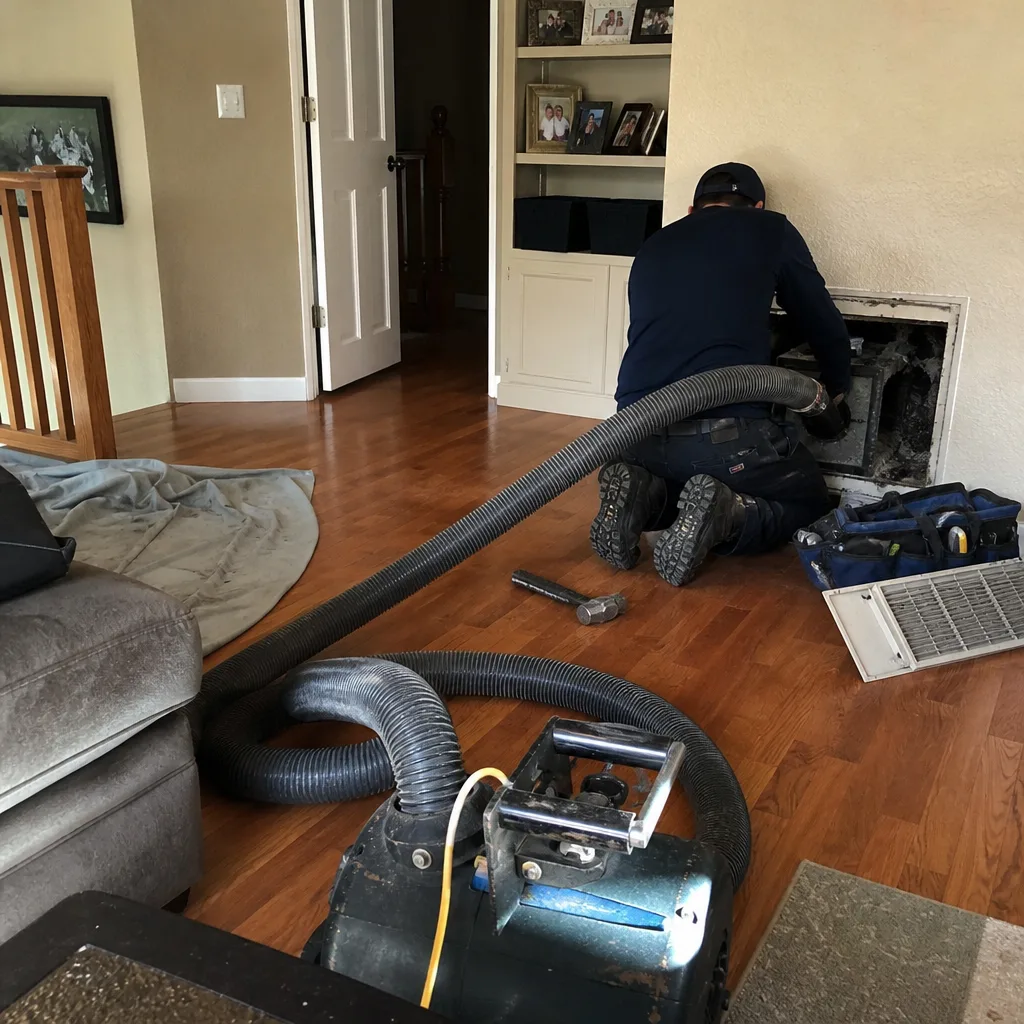
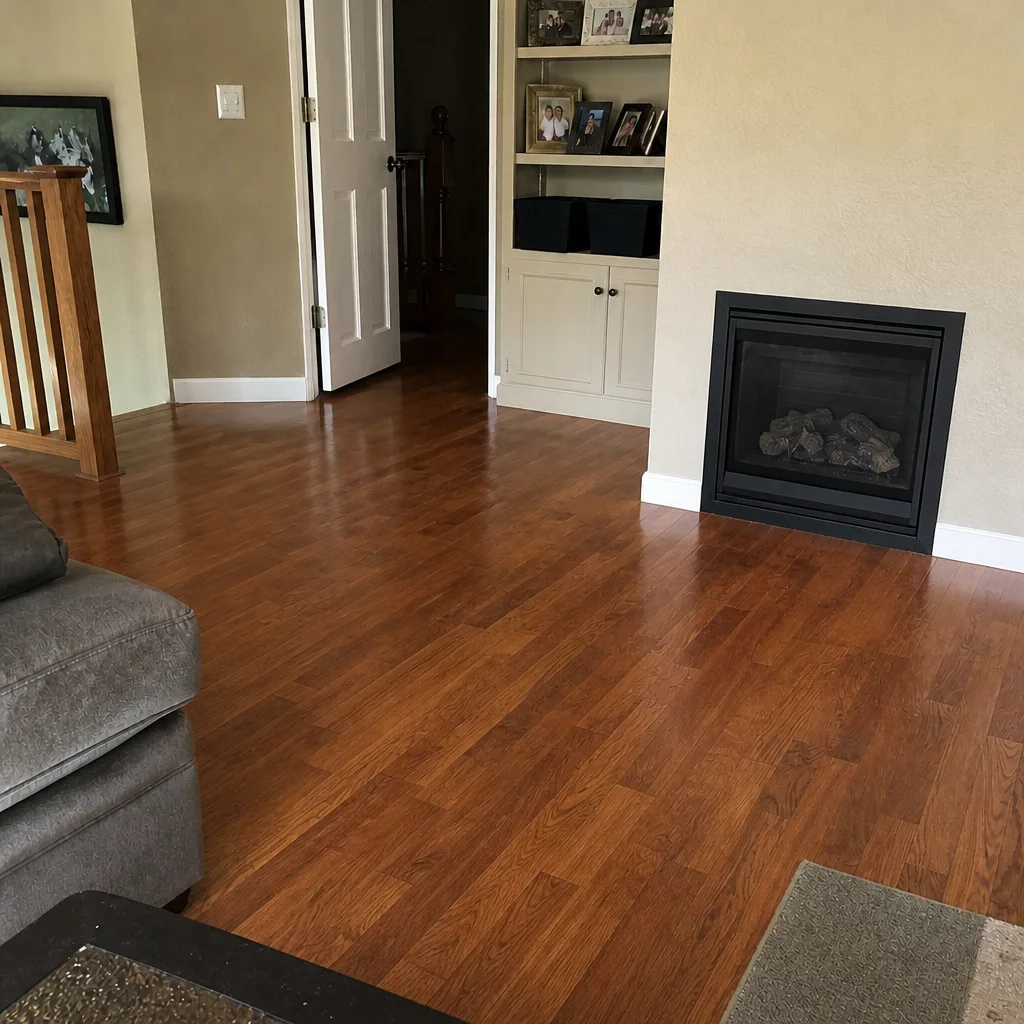
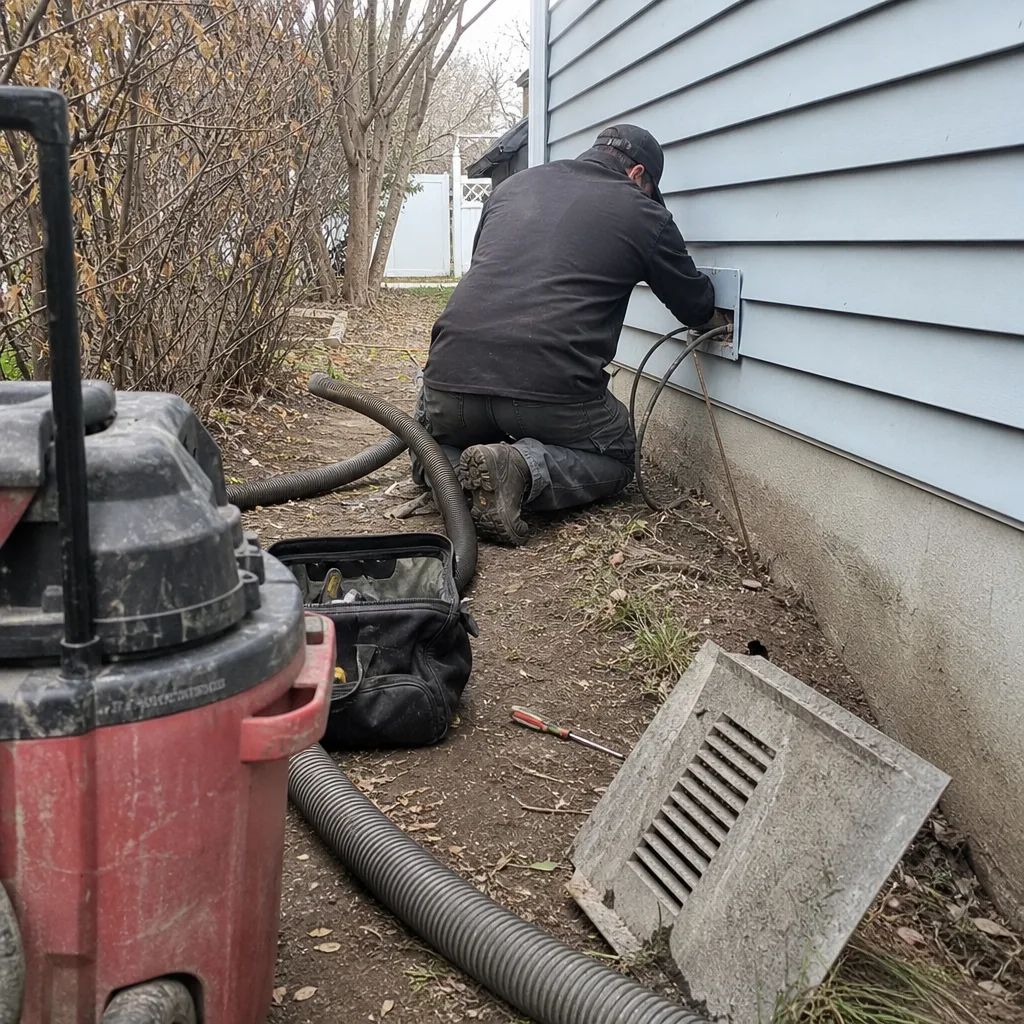
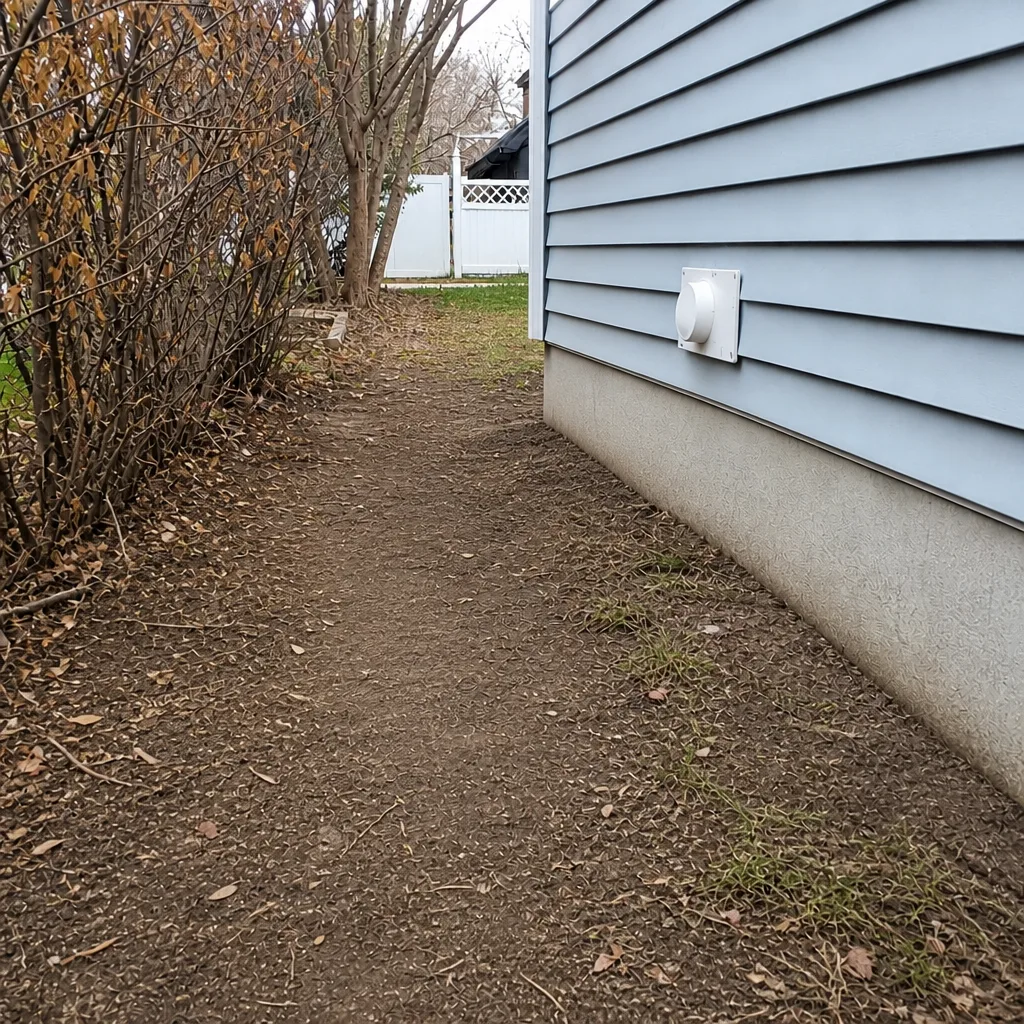
Whole-system duct and dryer vent check with before-and-after photos - you see exactly what came out of your vents
That "$99 whole-house special" is a bait ad - the real number appears once they are in your hallway, or the "clean" is a shop-vac at the register. We photograph the inside of your ducts before and after instead.
Air Duct Cleaning Warning Signs: A Draper Homeowner’s Reference Guide
Dust on a register grille might mean your ducts need cleaning. Or it might mean your filter is bypassing its frame and letting unfiltered air straight into the supply plenum. The sign looks identical from where you’re standing, but the fix is completely different, and one of them doesn’t involve duct cleaning at all. That gap between what you see and what’s actually happening is where most homeowners get talked into the wrong work.
This guide is built to close that gap. We’ll walk through the physical and performance signals that point to specific problems, so you can describe what you’re seeing accurately before you call anyone. Along the way we’ll cover what a Draper home’s dry climate does to duct dust, why a room that stopped cooling isn’t always an HVAC problem, and the dryer vent clues most people miss entirely. Keep a notepad handy. The details matter more than the checklist.
Quick Answer
The clearest signs your air ducts need attention are debris ejecting from supply registers, uneven airflow between rooms, visible biological growth at a register, rodent evidence in the ductwork, and rising dust levels that return within days of cleaning. A single dusty grille is not proof of anything. A pattern of two or more of these signals, sustained over weeks, usually is. Draper Air Duct Cleaning Pros offers free estimates, and we’d rather tell you your ducts are fine than sell you a cleaning you don’t need.
Styles & brands we work with
- Whole-home duct cleaning
- Dryer vent cleaning
- Camera inspection
- Sanitizing & deodorizing
Table of Contents
- Register Dust vs. Active Blowout: How to Tell the Difference
- Rooms That Stopped Heating or Cooling: The Airflow Signal
- What Visible Growth at a Supply Register Actually Means
- Pest Evidence in Ductwork and Why It Needs More Than Cleaning
- Dryer Vent Warning Signs Draper Homeowners Miss
- Draper’s Climate and Your Duct System
- Why Equipment Choice Changes the Outcome
- Common Mistakes to Avoid
- When to Call a Professional
- Frequently Asked Questions
Register Dust vs. Active Blowout: How to Tell the Difference
Not all dust on a register means the same thing. Surface accumulation sits on top of the grille and wipes off with a damp cloth, and it usually comes back slowly over weeks. Active blowout is different: particles are being pushed out of the duct interior under system pressure, and they land in a pattern that tells you so.
Here’s what separates the two:
- Particle type. Surface dust is fine, uniform, and grayish. Blowout debris is coarser and mixed: fibers, insulation fragments, and sometimes dark specks that don’t match anything else in the room.
- Pattern. Surface accumulation is even across the grille. Blowout tends to concentrate on one side of the register or streak outward in the direction of airflow.
- Timing. Wipe the register clean, then check it after a few days of normal system running. If a fresh layer returns that fast, something upstream is feeding it.
- Location. One dusty register in a closet is normal. Five registers across three rooms doing the same thing points to the duct system, not the room.
There’s a third possibility worth knowing about, and it’s the one most guides skip. If your filter doesn’t seat properly in its slot, unfiltered air bypasses the filter entirely and carries dust into the supply side of the system. The register looks like it needs duct cleaning, but the real fix is a properly fitting filter and a sealed filter frame. Our air duct cleaning assessment starts by checking filter fit for exactly this reason.
One more thing: in Draper’s dry air, dust stays airborne longer and settles more slowly than it would in a humid climate. That means a light film on registers here is more often normal than in, say, a coastal city. Judge by pattern and return speed, not by presence alone.
Rooms That Stopped Heating or Cooling: The Airflow Signal
When a bedroom that used to be comfortable starts running hot in summer or cold in winter, most homeowners assume the air conditioner or furnace is failing. Often it isn’t. Restricted duct cross-sections are a common cause of uneven performance, and the restriction is usually debris buildup, a collapsed flex run, disconnected joints, or a damper stuck partly closed.
The physics are straightforward. A duct is sized to carry a specific volume of air. If debris narrows the interior, or if a joint has separated and air is escaping into a crawlspace or wall cavity, the room at the end of that run gets less air than it needs. The equipment runs longer, works harder, and the room still doesn’t get comfortable. You feel it as a performance problem, but the diagnosis is in the ductwork.
Here’s a simple test you can run yourself, no tools required:
- Hold a tissue in front of each supply register while the system runs. Note how far it moves.
- Compare registers room to room. A noticeably weaker one is your starting clue.
- Check whether that room’s door has adequate return path. A closed door with no return grille can pressurize a room and choke its own supply.
- Look at the register fins. Bent or blocked fins redirect air and mimic a duct problem.
- Note whether the weak room gets weaker over the season. Gradual decline points to buildup; sudden decline points to a disconnected run or failed damper.
If the test points to the ducts, the fix often involves both cleaning and sealing. That’s why our service menu runs beyond cleaning into duct repair and sealing, which closes the leaks that waste energy and pull contaminants back into the system. If you suspect the equipment side too, HVAC cleaning covers the air handler and coil, where a fouled evaporator coil can also cut airflow independent of the ducts. Draper homes on the east bench, where systems run hard through both a hot summer and a cold winter, tend to show these performance signals earliest.
What Visible Growth at a Supply Register Actually Means
Visible growth at a supply register is not automatically mold in the ductwork. It might be surface condensation supporting a light film of biological growth on the grille itself, which is a humidity and temperature problem at that spot. Or it might be active growth on the interior duct surface, which is a different situation requiring a different response.
How to tell them apart:
- Condensation growth appears on the face of the grille, usually on the coldest register in the house, and often on metal rather than the duct liner. Wiping it off works temporarily. Fixing the underlying condensation, whether that’s a humidity problem, an unsealed duct sweating in a hot attic, or a register sitting right where cold air hits warm room air, is the real solution.
- Interior growth means you can see it through or behind the grille on the duct surface itself, often with a musty smell that’s stronger when the system first starts. That’s growth feeding on dust and moisture inside the duct, and it calls for cleaning plus sanitizing.
Either way, don’t treat it with a spray bottle and hope. A sanitizing treatment without removing the food source (the dust and debris the growth is living on) simply resets the clock. Clean, sealed, and sanitized is the progression that holds. Our air quality and sanitizing service uses Abatement Technologies equipment, the same brand used in commercial and remediation settings, because killing spores on a dirty surface doesn’t accomplish much.
If you smell mustiness but can’t see anything, the growth is likely further in the system. That’s common in Draper’s dry climate in a specific way: a system with a humidifier, or one where the air handler sits in a cooled or humidified space, can hold enough moisture in one section to support growth while the rest of the house stays bone dry. The visual sign you’re looking for may be several feet up the line from where you’re standing.
Pest Evidence in Ductwork and Why It Needs More Than Cleaning
Rodent activity in ductwork leaves evidence that looks and smells distinct from ordinary household dust. Once you know what you’re looking at, it’s hard to mistake. Once you’ve smelled it, impossible.
What to look for:
- Droppings near register boots, in the return plenum, or on top of duct runs in the attic or crawlspace. Rodent droppings are small, dark, and rod-shaped, and they cluster rather than scatter.
- Nesting material pulled into the system: shredded insulation, paper, or fiber batts chewed from duct insulation. If a flex run has been breached, the interior can become a nesting site.
- Gnaw marks on flex duct, register boots, or insulation jacket, often around seams and penetrations where a rodent got in.
- The smell. Rodent urine has a sharp, ammonia-like note that intensifies when the system runs. It doesn’t fade with air fresheners and it doesn’t come and go with humidity the way the musty smell of biological growth does.
This is where a standard clean falls short. Rodent intrusion leaves biological contamination on duct surfaces, and vacuuming away the visible debris doesn’t resolve what’s left behind. The proper response is remove, clean, and sanitize, in that order, and then seal the entry points so it doesn’t happen again. That last step is where the work often stops with other providers. If the gap a mouse used to get in is still open, the cycle repeats.
For Draper homes near the foothills, this matters more than it does for homes in the middle of the valley. Rodent pressure from the nearby hills is a real factor, and vulnerable points along the duct system are common in older construction. If you’ve caught a mouse indoors this season, it’s worth a look at the ducts, not just a trap on the floor.
Dryer Vent Warning Signs Draper Homeowners Miss
A clogged dryer vent is a fire risk, not a maintenance footnote. Lint is highly combustible, and a restricted vent traps heat in the dryer cabinet where lint and other debris accumulate. The warning signs are subtle and easy to dismiss as a dryer that’s just getting old.
Watch for these:
- Clothes taking longer than they used to. If your normal cycle used to finish in one pass and now needs two, restricted airflow is the likely cause.
- The exterior flap doesn’t open fully. Go outside while the dryer runs and watch the vent hood. A flap that barely lifts, flutters, or stays mostly shut means the exhaust path is restricted. This is the single most reliable check you can make.
- Lint around the cabinet base and behind the dryer. Lint accumulating where it shouldn’t, especially outside the lint trap, means the exhaust system is losing material before it reaches the outside.
- The dryer cabinet or top getting hot to the touch. Trapped heat is a symptom of airflow restriction and worth taking seriously.
- A burning or scorched smell. If you smell this, stop using the dryer until the vent is checked.
Dryer vent cleaning is a dedicated safety service, and it’s separate from duct cleaning. The hazard profile is different: duct cleaning is about air quality and system performance, dryer vent cleaning is about keeping heat and fuel apart. Our dryer vent cleaning technicians are trained on exactly that hazard profile, and we treat it as a standalone service rather than an add-on at the end of a duct job. If you’ve never had your vent checked and your dryer is more than a few years old, that’s a good prompt to have someone look.
Draper’s Climate and Your Duct System
Where a house sits shapes what its duct system sees. Draper’s dry mountain climate, with wide swings between summer heat and winter cold, affects both the dust you find and the failure modes you’ll encounter. Understanding that helps you read the warning signs correctly instead of overreacting to normal conditions.
Here’s what we factor in when assessing a Draper home:
- Extended heating and cooling seasons. Draper systems run through a long summer and a cold winter, so duct surfaces see more hours of airflow than in a milder climate. More hours of airflow means more dust deposition over time.
- Very dry outdoor air. Dry air means less moisture-driven growth inside ducts under normal operation. Musty smells here are more likely to come from localized moisture sources (a humidifier, an unsealed crawlspace, or a cooling coil issue) than from general household humidity.
- Attic duct runs and summer attic heat. Ducts in an attic see high summer temperatures, and an unsealed leak in that environment dumps conditioned air and pulls in hot, dusty attic air. Sealing leaks matters more here than in a house where ducts run only through conditioned space.
- Home construction age spread. Draper neighborhoods range from older construction with rigid metal duct systems to newer builds using flex runs. The failure modes differ: rigid systems crack and separate at joints, while flex runs kink, sag, and crush if they aren’t supported correctly. Both types accumulate debris, and both can lose airflow at the joints.
If you can describe your construction era and duct type when you call, we can usually narrow the likely cause before anyone arrives. Draper Air Duct Cleaning Pros works across the range of systems found in Draper homes, and we’ll tell you what yours needs, clean, seal, or repair, without guessing.
Why Equipment Choice Changes the Outcome
The difference between a real duct cleaning and a vacuum with a fancy name is measurable. A shop vac and a long hose push debris around and can knock it loose into the system without capturing it. Purpose-built duct cleaning equipment uses contact agitation and negative pressure to remove material, capture it, and leave the interior actually clean. That’s why we lead with equipment that was built for this job.
We operate professional duct-cleaning systems from Rotobrush and Nikro. Those are purpose-built machines used by trained technicians, not a shop-vac workaround. Contact cleaning and collection are designed together, which matters most in systems with heavy buildup or biological contamination, where a loose pass simply stirs the problem.
For air quality and sanitizing, we use Abatement Technologies equipment. It’s the same equipment line used in commercial and remediation environments, and it’s appropriate when the goal is to reach the source rather than just move debris around. We’re also familiar with systems that incorporate Honeywell and Aprilaire filtration and purification products, so if your Draper home has a whole-home filter or humidifier integrated into the HVAC, we know how the duct work interacts with it.
None of this is a sales point so much as a way to answer a fair question: how would a homeowner know whether the cleaning was actually done? With the right equipment, we can show before-and-after photos of your own ducts, not stock images of someone else’s. Air you can actually verify is cleaner. That’s the standard worth asking any provider to meet, and it’s what we aim for on every job.
Common Mistakes to Avoid
These are the errors we see most often, both in how homeowners read the warning signs and in how they approach getting the work done:
- Treating every dusty register as proof of a duct cleaning problem. A single dusty grille can be filter bypass, a supply plenum issue, or just ordinary surface dust. Judge by pattern and return speed across multiple registers before deciding.
- Skipping the exterior dryer vent check. Homeowners check the lint trap and call it done. The outside flap tells you far more about whether the exhaust path is actually clear, and it takes ten seconds to look.
- Cleaning without sealing. A clean duct system with separated joints will leak and pull contaminants back in. Closing the leaks is part of the job, not an extra. Providers that skip sealing leave the problem half-solved.
- Ignoring a musty smell because you don’t see growth. The source can be several feet up the line from the register. If the smell is there, the growth is there.
- Sanitizing without cleaning first. A sanitizing treatment on a dirty duct surface doesn’t accomplish much, because the dust and debris underneath is the food source. Remove, clean, and sanitize, in that order.
- Assuming a weak room is an HVAC failure. Restricted duct cross-section is a common cause of uneven comfort and is often cheaper to solve than a full equipment issue. Rule it out before you assume the worst.
- Choosing on price alone. A quote that’s dramatically lower than others is usually lower because something is being skipped: capture equipment, sealing, or verification photos. Ask what’s included before you compare.
When to Call a Professional
Some signals you can read yourself. Others need eyes inside the system. Call a professional when you see debris ejecting from registers in more than one room, when a room has lost heating or cooling performance and a simple tissue test points to weak airflow, when you can see growth on duct surfaces or smell a mustiness that returns every time the system starts, when you find rodent evidence near boots or in the attic, or when the dryer vent flap doesn’t open fully. Any of those is worth a proper look.
The other case is simpler: if it’s been longer than you can remember since the ducts were last inspected, and you have any of the signs above, an inspection answers your question without committing you to anything. Draper Air Duct Cleaning Pros offers free estimates in Draper. Call (855) 550-7165. We answer 24/7. Fast dispatch from 7am to 7pm, Sunday through Friday. We’ll tell you what we see and what it needs, and if the ducts don’t need cleaning, we’ll say so.
Frequently Asked Questions
The most reliable signs are debris ejecting from supply registers in more than one room, uneven airflow between rooms that has gotten worse over time, visible growth on duct surfaces, rodent evidence near boots or in the attic, and dust that returns within days after wiping registers clean. A single dusty register is not reliable evidence on its own, because filter bypass and surface dust look identical. Call (855) 550-7165 for a free estimate if you’re seeing two or more of these together.
Wipe the register clean and check it after a few days of normal running. If a fresh layer returns quickly, and the debris is coarser than ordinary house dust, that points to active blowout from the duct interior rather than surface accumulation. Location matters too: one dusty register is normal, five across three rooms is a system-level signal. Call (855) 550-7165 for an estimate if the pattern is consistent.
The most common cause is restricted duct cross-section in that run, from debris buildup, a collapsed flex duct, a separated joint leaking air into a wall or attic, or a damper stuck partly closed. It’s worth ruling out the ducts before assuming the HVAC equipment is failing. Draper Air Duct Cleaning Pros offers free estimates, and the first step is a tissue test at each register to compare airflow. Call (855) 550-7165 to book an assessment.
No. It’s often surface condensation supporting light growth on the grille itself, which is a humidity and temperature issue at that spot. Interior growth on the duct surface, especially with a musty smell that’s strongest when the system starts, is the more serious case and calls for cleaning plus sanitizing. Our sanitizing treatments use Abatement Technologies equipment and target the source. Call (855) 550-7165 for an estimate.
Rodent evidence appears as clustered rod-shaped droppings near register boots or in the duct plenum, chewed insulation or flex duct, nesting material pulled into the system, and a sharp ammonia-like smell that intensifies when the system runs. Removal and cleaning don’t resolve the biological contamination left on duct surfaces; sanitizing is required, followed by sealing the entry points so the intrusion doesn’t repeat. Call (855) 550-7165 for a free estimate.
Ducts don’t have a fixed calendar interval; the right timing depends on your system, construction type, and whether any of the warning signs above are present. The dryer vent is different because of the fire risk: if the exterior flap doesn’t open fully, if clothes take longer than they used to, or if you have lint piling up outside the trap, don’t wait on a schedule. Call (855) 550-7165 for an estimate on either service.
The Bottom Line
Warning signs are only useful if you can read them accurately. The pattern on your registers, the airflow in a weak room, the mustiness you can’t see, the rodent evidence in the attic, the dryer vent flap that doesn’t open, each points to a specific problem, and each has a specific fix. Cleaning without sealing leaves the leaks. Sanitizing without cleaning leaves the food source. The right approach is clean, sealed, and sanitized, verified with before-and-after photos of your own system. Our technicians have up to 12 years of experience across the full range of duct work. When you’re ready to have someone look, start with Draper Air Duct Cleaning Pros, and the estimate is free.
Have a sign you’re not sure about? Call (855) 550-7165 for a free estimate. We answer 24/7. Fast dispatch from 7am to 7pm, Sunday through Friday. One call covers cleaning, repair, and air quality, and we’ll tell you plainly whether your Draper home needs the work or just needs the filter checked.
Written by the team at Draper Air Duct Cleaning Pros.
See the difference
 Before
 After
 Before
 After
 Before
 After