
Last updated November 24, 2026
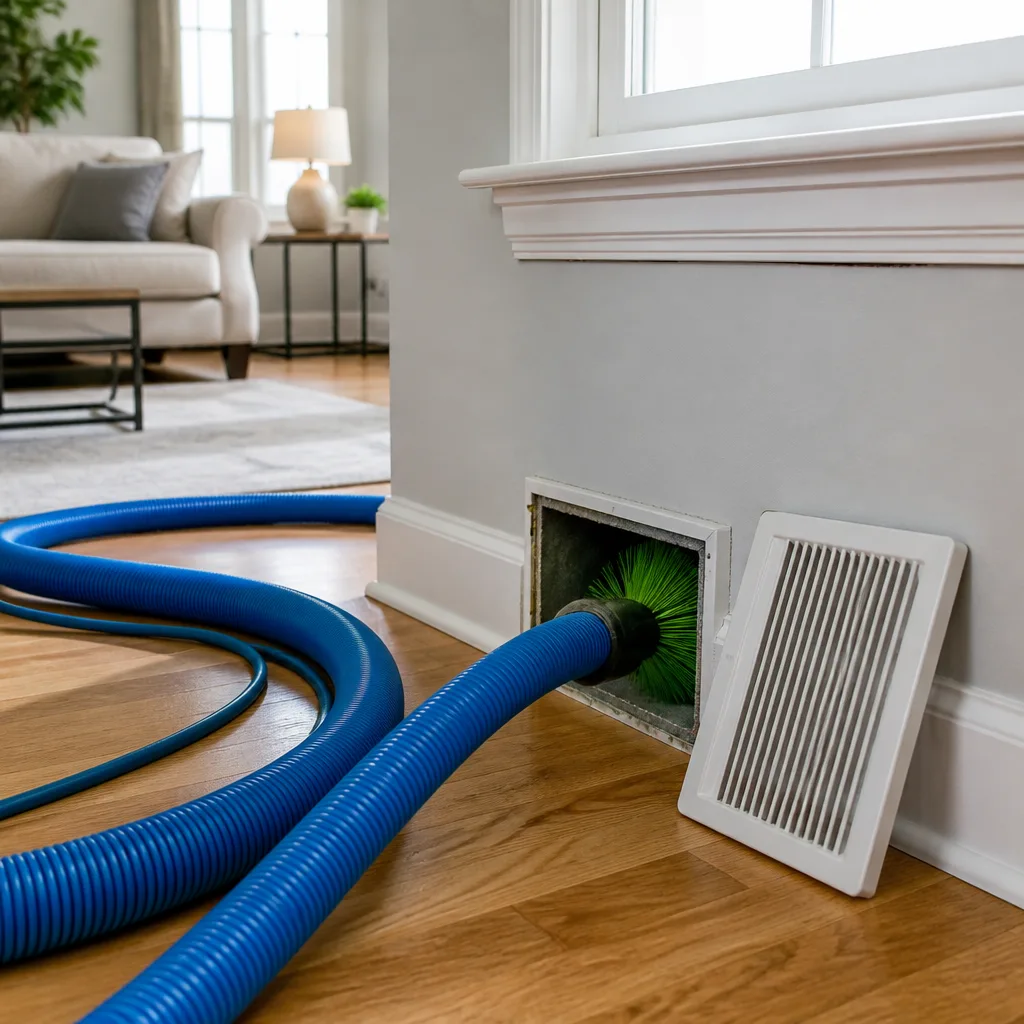 Whole-home duct cleaning
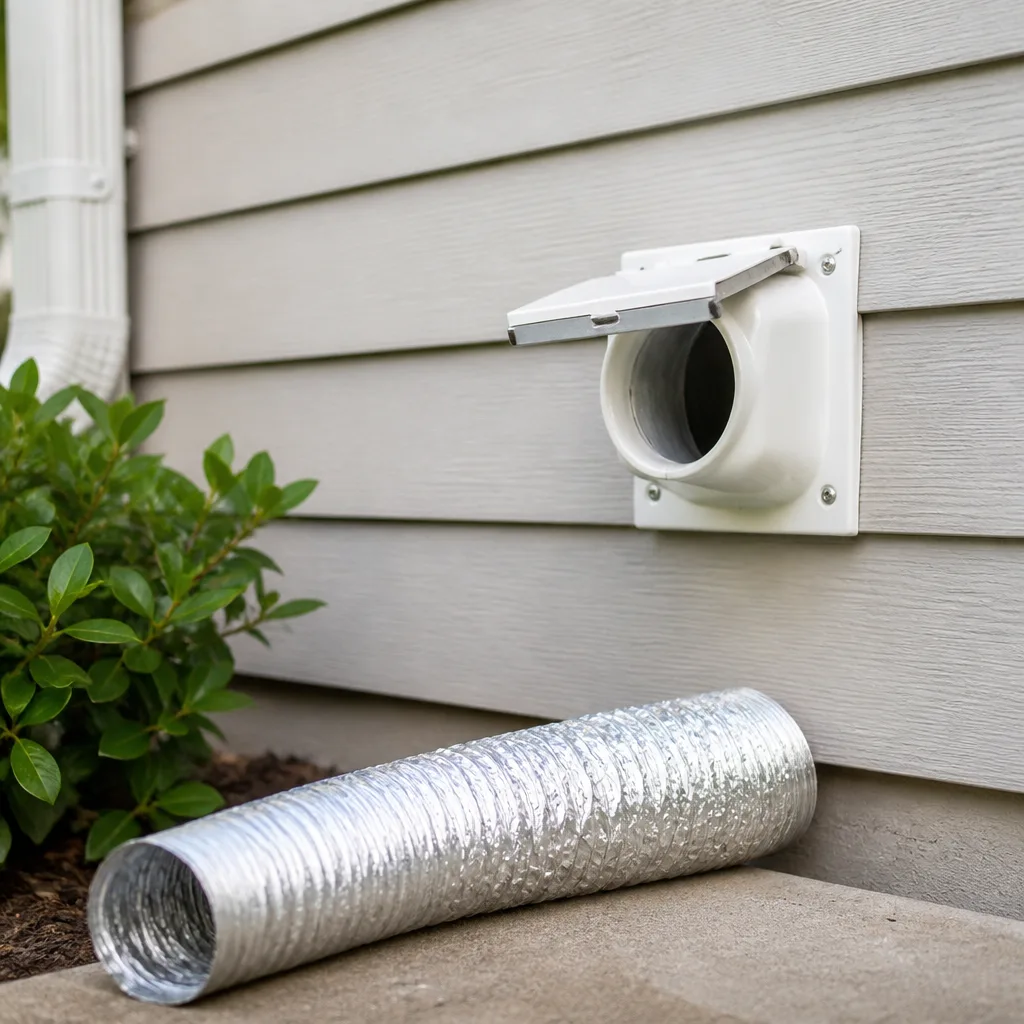 Dryer vent cleaning
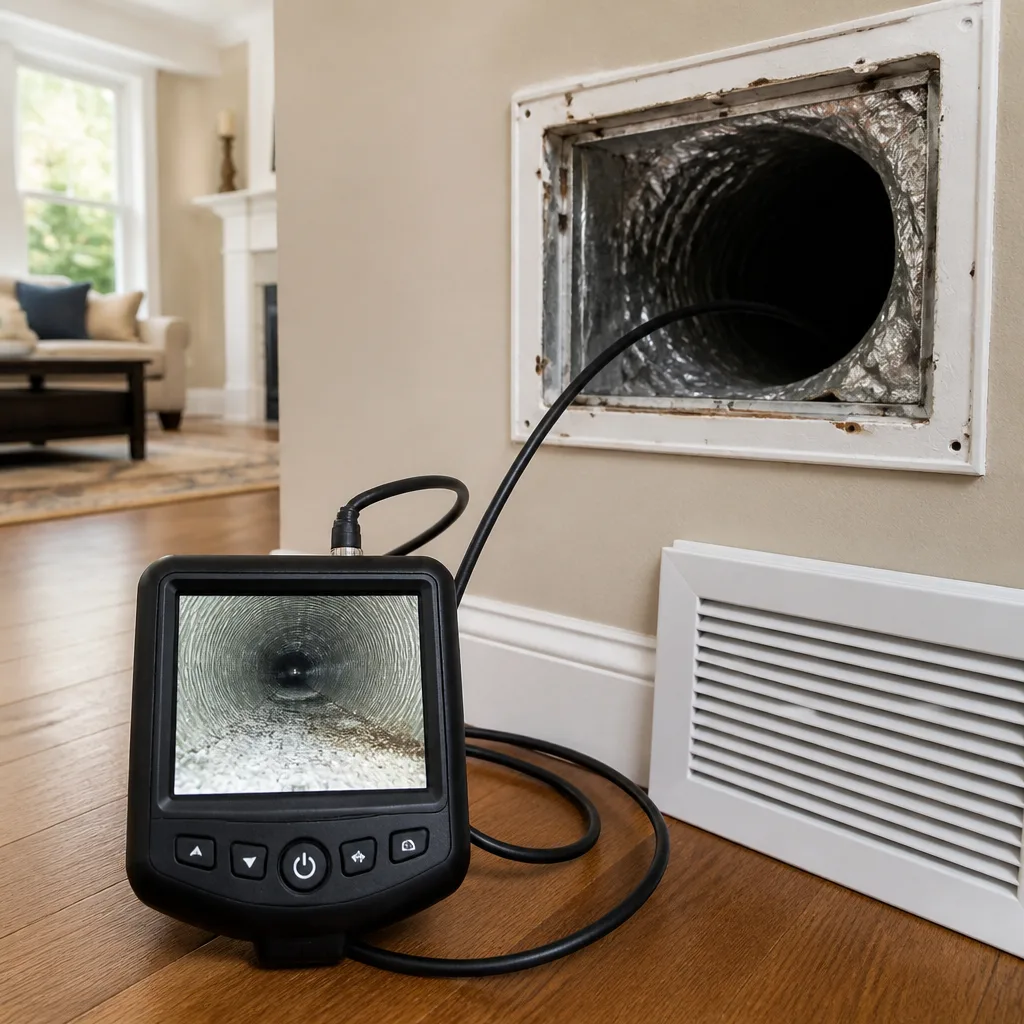 Camera inspection
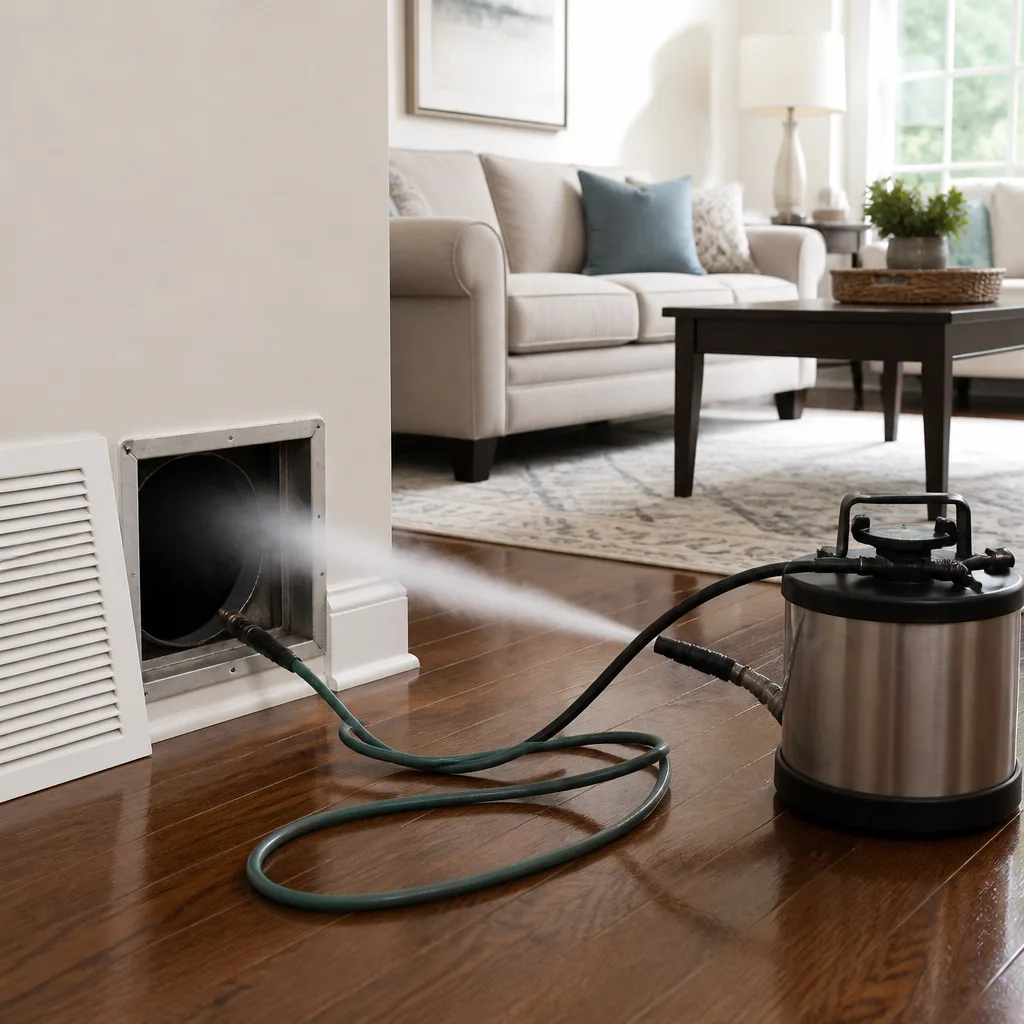 Sanitizing & deodorizing
Whole-system duct and dryer vent check with before-and-after photos - you see exactly what came out of your vents
That "$99 whole-house special" is a bait ad - the real number appears once they are in your hallway, or the "clean" is a shop-vac at the register. We photograph the inside of your ducts before and after instead.
Air Duct Cleaning Cost Breakdown: The Draper Homeowner’s Reference for 2026
A $149 whole-house duct cleaning quote in Draper is not a deal. It’s a scope reduction disguised as a price. The number is real, but what it buys usually isn’t: a single pass with a shop vac, no access to the trunk lines, no documentation, and an invitation to add services once the crew is already in your crawlspace. Real air duct cleaning in Draper runs anywhere from roughly $280 to $800 depending on your system, and the gap between quotes isn’t random. It maps to equipment, scope, and what gets included versus what gets added on later. This guide explains that map so you can compare quotes on value instead of sticker price.
Quick Answer
Air duct cleaning in Draper typically costs between $280 and $800 for a whole-house system in 2026, with most single-family homes landing in the $350 to $550 range. That price should cover every supply and return line, the trunk, registers, and the air handler cabinet, and it should include before-and-after photos of your own ducts. Quotes under $200 almost always exclude the trunk or skip negative-pressure equipment, which means the work doesn’t actually remove what’s in your system.
Styles & brands we work with
- Whole-home duct cleaning
- Dryer vent cleaning
- Camera inspection
- Sanitizing & deodorizing
Table of Contents
- What actually drives the cost of duct cleaning in Draper
- Per-vent pricing versus whole-system flat rate: which protects you?
- Why square footage is a poor predictor of cost
- Legitimate add-on services and what they really cost
- How to spot bait-and-switch pricing before you book
- What a fair price actually buys you
- How to compare competing quotes honestly
- Common mistakes to avoid
- When to call a professional
- Frequently asked questions
What actually drives the cost of duct cleaning in Draper?
Equipment quality is the single largest factor separating a $300 job from a $700 job in Draper. A truck-mounted or trailer-mounted negative-pressure unit pulls the entire system into a vacuum while technicians agitate each line with a rotary brush or air whip. That’s a fundamentally different process from running a shop vac into the register openings and hoping debris comes back out. The equipment costs tens of thousands of dollars, and the difference in results is the difference between removing contaminants and simply stirring them up.
We run Rotobrush and Nikro systems because they’re purpose-built for this job, not adapted from construction cleanup. Rotobrush units handle the rotary agitation side, and Nikro equipment covers the negative-pressure collection. Together they let our technicians clean the trunk line and branch runs properly instead of just the visible registers.
Beyond equipment, three more things move the number:
- Duct count and layout. A 2,500-square-foot home with 14 supplies and 3 returns takes longer than a 3,000-square-foot home with 9 supplies because the trunk is shorter and the runs are fewer. The first house usually costs more.
- Access difficulty. Crawlspace access, a finished basement with a sealed ceiling, or ductwork routed through a tight attic all add time. In Draper’s varied housing stock, from older homes near the Historic District to newer construction east of the freeway, access changes dramatically house to house.
- Condition of the system. Heavy debris from a recent remodel, or a system that’s never been cleaned since it was built, takes longer to clear than routine maintenance. That’s a time cost, and it shows up in the final number.
The honest version of this breakdown is what separates a credible quote from a coupon. If a contractor won’t tell you which equipment they’re bringing, what it does, and how long they expect to be on site, the price isn’t telling you anything useful. That’s the first thing to fix, and it’s why we start every estimate with a walkthrough of your system rather than a square-footage formula. If you want the broader picture on how professional cleaning is actually performed, our air duct cleaning page walks through the process step by step.
Per-vent pricing versus whole-system flat rate: which protects you?
A whole-system flat rate protects the homeowner in almost every case, and per-vent pricing is one of the most common sources of sticker shock in this trade. Here’s why.
Per-vent pricing sounds transparent: $12 to $25 per register, maybe $15 to $30 per supply and return. A homeowner with 12 supplies and 3 returns runs the math and expects around $250. Then the technician arrives and adds the trunk line as a separate charge, adds the air handler as a separate charge, adds a coil cleaning surcharge, and adds the return plenum. The final invoice can easily hit $600 to $900, and the homeowner has already paid a deposit and let the crew in.
The per-vent model exists because it lets a company advertise a low number and inflate it during the visit. A whole-system flat rate is agreed before anyone shows up. It’s harder to price because you actually have to know your system, but that’s the point.
Here’s what to ask before you book:
- “Is the trunk line included?” A real whole-system quote covers every supply run, every return run, the main trunk, and the air handler cabinet. If any of those is excluded, the price is not whole-system.
- “Does the price include photographing the interior of the ducts before and after?” This is the single most reliable way to verify the work happened.
- “Is the price locked once you’re here, or can it change?” A legitimate flat-rate quote doesn’t move because the system is dirtier than expected. If the technician is authorized to increase the price on site, you’re on a per-vent model in a different costume.
- “What happens if you find a leak or a disconnected line during the clean?” A real professional documents it and tells you what repair costs, not adds a surprise line item without agreement.
For a Draper home with 10 to 16 registers, a whole-system flat rate typically lands between $350 and $550. If a per-vent quote comes in at $280 and then climbs past $600 during the visit, that’s not a pricing difference; that’s a different scope. Our Draper Air Duct Cleaning Pros service model is a flat per-system rate with the scope agreed in writing first, and we encourage homeowners to compare that scope line by line against other quotes.
Why square footage is a poor predictor of cost
Two Draper homes of the same square footage can cost 40 percent apart to clean, and it has nothing to do with the size on the tax record. Square footage is a convenient proxy that duct cleaners use because it’s easy to quote over the phone, but it misses everything that determines actual time on site.
What actually matters:
- Duct count. A home built for maximum register coverage can have 18 supplies. A comparable home built for efficiency might have 11. Each supply and return is an independent line to clean.
- Trunk length and layout. Long trunk runs with sharp elbows and multiple stacked branches take longer to agitate than a compact central layout. Ranch-style homes with ductwork in a shallow crawlspace are often easier to access than two-story homes with ductwork buried behind finished ceilings.
- Access. A crawlspace with a proper access hatch and a clear path is a 20-minute setup. A sealed soffit with no cleanout means more time and care to access without damage.
- Return-side complexity. A single large return plenum cleans quickly. Four separate returns with individual filter grilles take four times as long on the return side.
- Age of the system and climate exposure. Draper sits along the Wasatch Front, where the swing between hot dry summers and cold, dry winters pushes HVAC systems hard. Dust, drywall debris, and construction residue accumulate more heavily in older homes. A system that’s never been cleaned takes longer than a scheduled maintenance clean.
When you get a quote that’s based purely on square footage, it’s almost always a quote that assumes average ductwork. If your home has an unusual layout, a finished basement air handler, or ductwork routed through a vaulted ceiling, you should expect a real number after a walkthrough, not a flat per-square-foot estimate. That walkthrough is the point of a free on-site estimate, and it’s where the honest number lives.
In our experience cleaning homes across Draper, the properties in SunCrest, near Draper Rise, and along the foothills toward Corner Canyon have some of the most varied ductwork because of sloped rooflines and split-level design. A square-footage formula doesn’t handle those homes well, and it’s one of the reasons we ask about layout before we quote.
Legitimate add-on services and what they really cost
Every legitimate add-on does a specific job, and each one has a realistic price range. If a contractor can’t explain what a service accomplishes beyond the name, it’s probably padding a low base quote back up.
Here’s what each add-on actually costs in Draper and what it does:
- Dryer vent cleaning ($100 to $180, standalone). This is a safety service, not a maintenance footnote. Lint buildup in a dryer exhaust is a leading household fire hazard, and the risk climbs as the vent run gets longer or gets compressed behind the appliance. It’s a separate service from duct cleaning and often priced separately because it’s a different job with a different hazard profile. Our dryer vent cleaning service treats it that way. If you’re already having ducts cleaned, some contractors roll it in, and the combined price should be less than the two separately.
- Coil cleaning ($80 to $200, depending on accessibility). The evaporator coil sits between the return and the supply side, and it collects dust off the air stream. A dirty coil loses efficiency and can freeze up. Cleaning it is a real labor step, but it’s often skipped because it requires access to the air handler.
- Sanitizing treatment ($100 to $250). Sanitizing applies an EPA-registered product to duct surfaces to reduce mold spores, bacteria, and allergens. It only makes sense after a thorough clean; applying sanitizer to dirty ducts doesn’t accomplish much because there’s still debris for colonies to feed on. We use Abatement Technologies equipment for these treatments because it’s what remediation environments use, and the goal is removing contaminants at the source rather than just moving them.
- Duct repair and sealing ($150 to $600+ depending on scope). This is the add-on most cleaners skip entirely because it’s not cleaning work. Leaks in the duct system waste energy, pull dust from crawlspaces and attics into the living space, and undo a clean within weeks. Sealing closes the loop. It’s the single most valuable add-on if your ducts have signs of disconnection or leakage, and it’s the one we consider part of the job rather than afterthought.
- Whole-home filtration and UV upgrades ($300 to $1,500+, hardware dependent). Systems built around Honeywell or Aprilaire products are compatible with most residential HVAC configurations, and a proper installation is a genuine upgrade for a home with ongoing allergy concerns. This is a hardware purchase, not a cleaning line item, but it’s worth knowing the realistic range before you’re quoted.
Add-ons worth doing depend on your system, not on what the crew wants to sell you that day. A clean-only job that verifies contaminants were actually removed is worth more than an inflated add-on list stacked on a thin clean. When you see a base quote of $199 followed by an onslaught of line items, you’re looking at a price structure where the base price was never supposed to be the price.
How to spot bait-and-switch pricing before you book
Bait-and-switch in this trade follows a predictable pattern, and you can spot it before a contractor sets foot in your home. The low quote comes first, the vague scope comes second, and the on-site upsell comes last.
Here’s the pattern to watch for:
- The entry quote is dramatically lower than every competitor. If three quotes land between $380 and $550 and one lands at $99 or $149, the outlier is a marketing number, not a cleaning number.
- The scope language is vague. “Whole house duct cleaning” sounds complete, but it doesn’t specify the trunk, the returns, or the air handler. Ask what’s missing from the quote. If the answer is “nothing,” ask for it in writing.
- There’s a per-vent rate in the fine print. A “$99 base plus $15 per vent” is a per-vent model with a low headline. That’s where surprise invoices come from.
- The technician arrives and finds “something.” If a crew arrives for a $149 clean and then announces that the ducts are actually heavily soiled and require treatment, that’s the model working as designed. The base quote was a door opener, not an estimate.
- No photographs before work starts. A contractor who won’t document the condition of your ducts before cleaning has no accountability for the after. That’s the tell that the “before” photo was never coming.
- Payment is requested before the work or in cash only. Deposits on residential duct cleaning are a red flag. A legitimate booking doesn’t need one, and a written estimate should be free.
The bait-and-switch model depends on the homeowner not knowing what a real clean looks like. Read the quote in the same way you’d read a contractor’s line-item estimate for a roof replacement: if any service is listed without a clear scope, it’s ambiguous on purpose. That’s a scope problem, not a price problem, and you should ask the contractor to clarify before you book.
What a fair price actually buys you
Fair pricing is not the lowest price; it’s the price that reflects the work. A fair duct cleaning quote in Draper buys five things:
- Time on site. A whole-house flat-rate clean typically takes two to four hours for a standard system, longer for a large or heavily soiled one. A quote that claims a full clean in 45 minutes is describing a different service than the one you asked for.
- The right equipment. Negative-pressure equipment and rotary agitation on every line. If the quote doesn’t specify the equipment, ask. A Rotobrush or Nikro system on the property is the difference between a clean and a sweep.
- Documentation. Before-and-after photos of every line, taken inside the duct. This is not a premium service; it’s basic accountability, and you should expect it without paying extra.
- A full-system scope. Supplies, returns, trunk, plenum, and air handler cabinet. If any of those is outside the price, it’s outside the work.
- A written estimate that sets the price. Any quote should convert into a written document before work begins, and that document should be the number you pay. Add-ons that weren’t in the estimate are opt-in, not automatic.
When any of those five are missing, you’re not getting a better price; you’re getting a smaller job at a smaller price. That’s the whole thing. The $149 quote isn’t worth less than a $450 quote because it’s cheaper; it’s worth less because the contractor scoped the work down below the point where it solves the problem.
How to compare competing quotes honestly
Comparing duct cleaning quotes is a 10-minute exercise if you know what to look at, and most homeowners skip it. Do this in order:
- Write down the scope from each quote. Supply lines, return lines, trunk, air handler, register faces. Every quote either includes each item or doesn’t, and the gap usually shows up in the trunk and air handler.
- Ask each contractor what equipment they’ll use. A professional answer names the machine. If the answer is “professional-grade equipment,” that’s not an answer.
- Ask whether photos are included. Free photos are standard. Paid photos are a red flag.
- Ask for a written scope. Not a phone quote, not a text, a written itemized estimate. If it isn’t written, it isn’t a price.
- Compare the low to the high. If the high quote is 60 percent above the low, ask the higher contractor what the additional scope is. There should be a specific service on the invoice that justifies it. If they can’t point to it, the quote is padded.
- Check for hidden line items in the fine print. Per-vent overage, coil cleaning as a “requirement,” sanitizing as “necessary.” These should be options up front, not surprises on site.
We give written estimates that specify the scope, the equipment, and the price for the whole system before any work starts. That’s not a selling point so much as a baseline. If you’re comparing our quote to another, put them side by side and check what each one covers. The honest comparison will separate itself.
For a broader picture of what HVAC-side cleaning involves, our HVAC cleaning service page covers the coil and air-handler side of the system, which is the part most standard duct cleaning quotes leave out. In a home where the coil hasn’t been touched in years, that’s often where the real air quality problem lives.
Common mistakes to avoid
- Booking the cheapest phone quote without a written scope. The number on the phone is almost never the number on the invoice. Ask for a written estimate first, in Draper as anywhere else. It should be free.
- Assuming “whole house” covers the trunk. Many low-priced packages mean “supply vents only” and leave the trunk line full of debris. That means the clean doesn’t actually solve anything, because the trunk reintroduces dust on the next airflow cycle.
- Skipping before-and-after photos. If a contractor doesn’t photograph inside the ducts, you have no way to verify what happened. You wouldn’t accept a roof repair without seeing the finished work; duct cleaning is not different just because it’s out of sight.
- Treating sanitizing as the whole solution. Applying sanitizer to a system that hasn’t been cleaned first is a waste. Sanitizing after a proper clean is a genuine improvement. The order matters.
- Ignoring the dryer vent. A dryer vent that hasn’t been cleaned in years is a fire risk, and the liability is real. It’s the single most safety-critical cleaning task in a home, and it’s frequently left for “someday.”
- Not asking about duct leaks. In Draper’s older housing stock and around remodel-heavy neighborhoods, disconnected joints and leaky collars are common. Cleaning a leaky system without sealing it means you’re cleaning a system that undoes the clean within weeks.
- Comparing per-vent pricing to flat-rate pricing as if they’re the same. They’re two different business models. Convert the per-vent quote to a final number using your actual register count and your actual trunk scope before you compare the two.
When to call a professional
Some signs justify a call, and some can wait for a scheduled service. Call a professional if you’ve had major remodeling or drywall work done recently, if you’ve noticed visible dust puffing out of registers when the system turns on, if a family member with asthma or allergies has gotten noticeably worse indoors, if you see visible mold or moisture inside a register, or if the system was previously cleaned and photos were never provided. Also call if the dryer takes noticeably longer than it used to or feels hot to the touch after a cycle; that’s a dryer vent safety call, not a maintenance one.
Draper Air Duct Cleaning Pros offers free estimates in Draper, and we’ll walk your system with you before quoting. Call (855) 550-7165 for a free estimate. We answer 24/7. Fast dispatch from 7am to 7pm, Sunday through Friday.
Frequently asked questions
Most Draper homes land between $350 and $550 for a whole-system clean in 2026, with a realistic range of $280 to $800 depending on duct count, layout, and system condition. That price should cover every supply and return, the trunk, and the air handler cabinet, with before-and-after photos included. Call (855) 550-7165 for an exact quote – estimates are free.
Cheaper quotes are almost always cheaper because the scope is smaller, not because the work is more efficient. A $149 quote typically means supply vents only, a single pass, no trunk line, no photos, and a per-vent structure that grows once the crew is on site. The work you asked for isn’t happening at that price.
Before-and-after photographs of the interior of every duct line are the standard method, and you should expect them without paying extra. If a contractor doesn’t document the clean inside the ducts, there’s no way to verify the work happened. Ask for the photos before you book, and if the contractor hedges, book with someone else.
Every three to five years for most Draper homes, sooner after significant remodeling or if you’ve moved a pet-heavy household into an older system. Homes near active construction sites or with heavy seasonal dust infiltration from the Wasatch Front winds benefit from a slightly shorter interval. If you’ve never had the system cleaned and don’t know its history, a first clean now is a reasonable baseline.
It’s a separate service with a separate hazard profile, and it should be priced separately. Dryer vents are a genuine fire risk when lint builds up in the exhaust run, and cleaning them is not the same job as cleaning the HVAC ducts. Expect $100 to $180 for a standalone dryer vent clean, or a discounted combined figure when bundled with a whole-house duct clean.
No, not because of the city. Draper’s varied housing stock, from older homes near the Historic District to newer construction along the foothills toward SunCrest, does mean access and duct layout vary a lot house to house, which affects time on site. A home with a sealed soffit or a finished basement air handler costs more to clean than one with a clear crawlspace, regardless of which city it’s in. Call (855) 550-7165 for a free on-site estimate that reflects your actual system.
The Bottom Line
The wide Duct cleaning price range in Draper isn’t random. It comes down to equipment (a real negative-pressure machine versus a shop vac), scope (whole system versus supply vents only), and what gets included (photos, trunk line, air handler) versus what gets added on later. A whole-system flat rate agreed in writing before anyone arrives is the structure that protects the homeowner, and it’s the only structure worth comparing across quotes. Paying $400 for a complete, documented clean is a better deal than paying $149 for a clean that doesn’t solve the problem. When you’re ready to get a real number on your actual system, we’re one call away.
Call Draper Air Duct Cleaning Pros at (855) 550-7165 for a free estimate on air duct cleaning, dryer vent cleaning, HVAC cleaning, duct repair and sealing, or air quality and sanitizing services. We answer 24/7. Fast dispatch from 7am to 7pm, Sunday through Friday.
Written by the team at Draper Air Duct Cleaning Pros.
See the difference
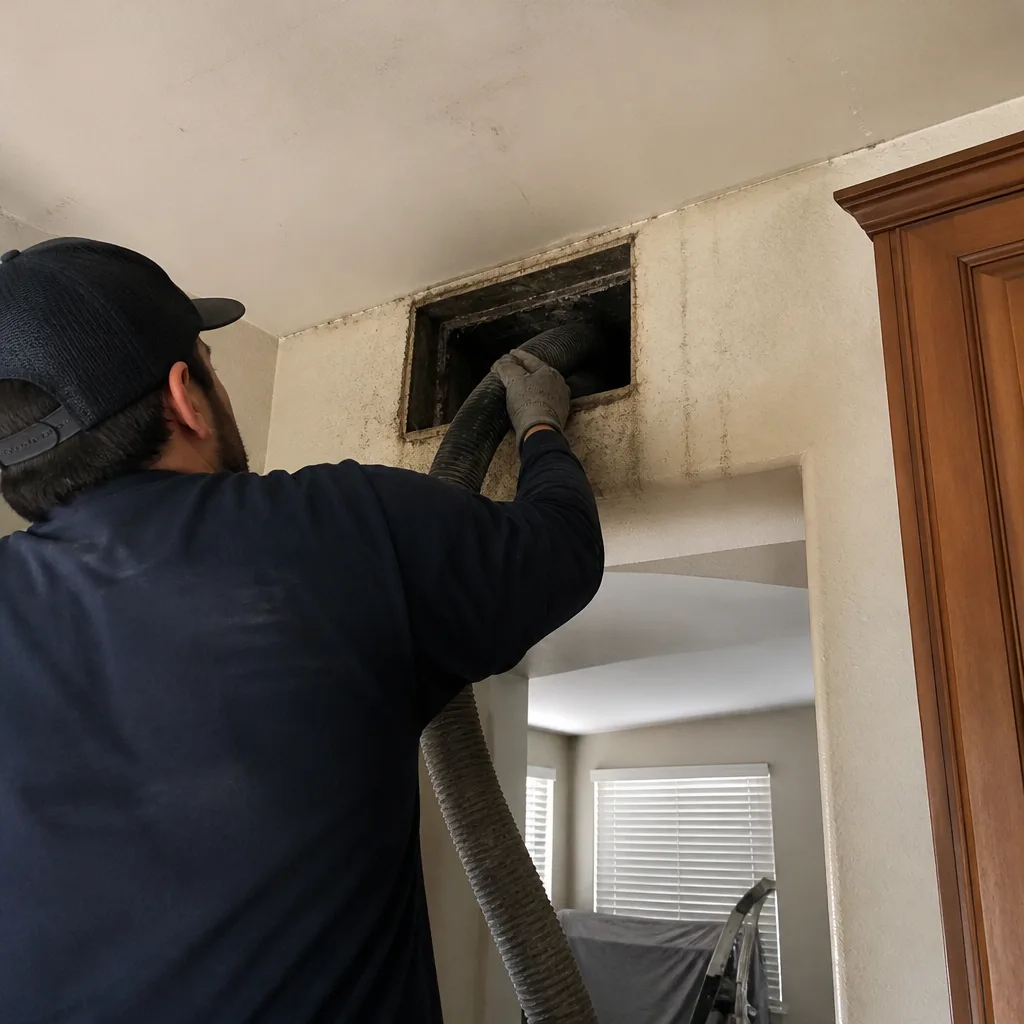 Before
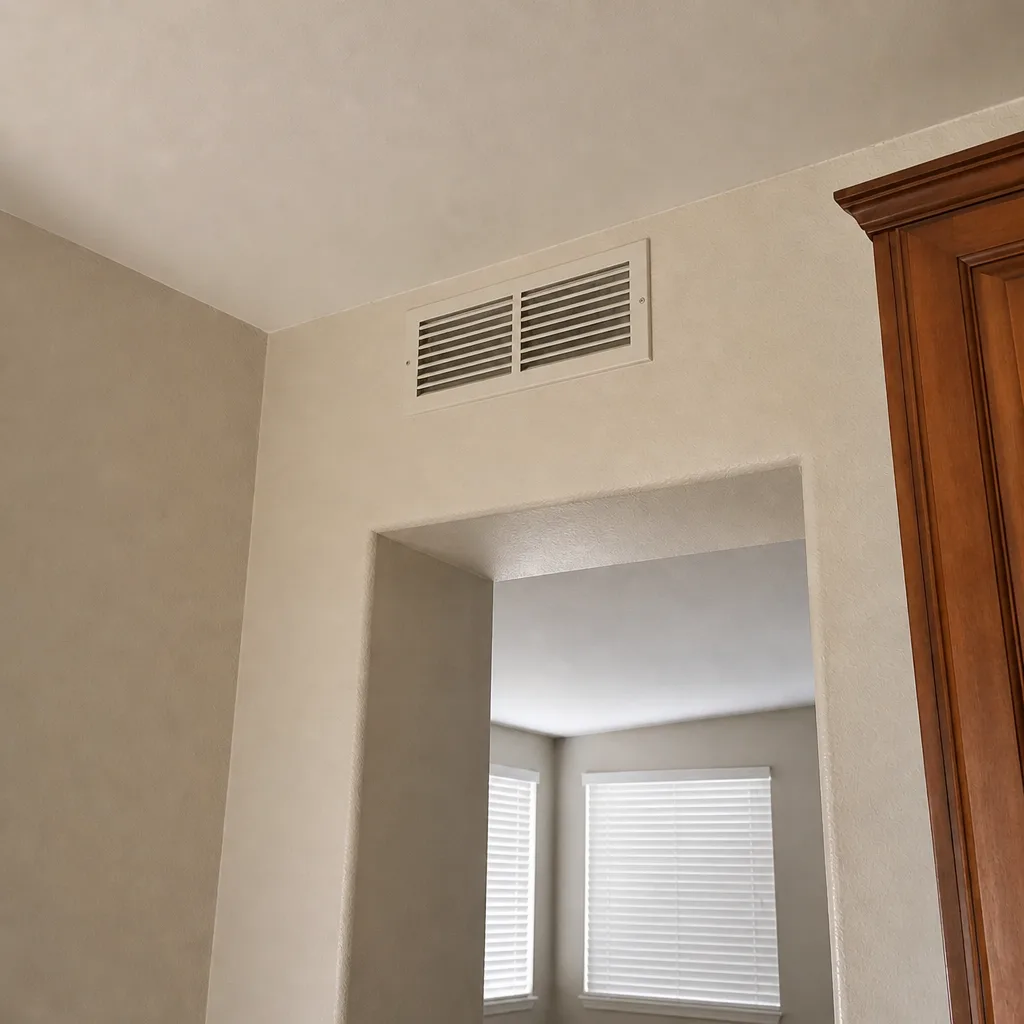 After
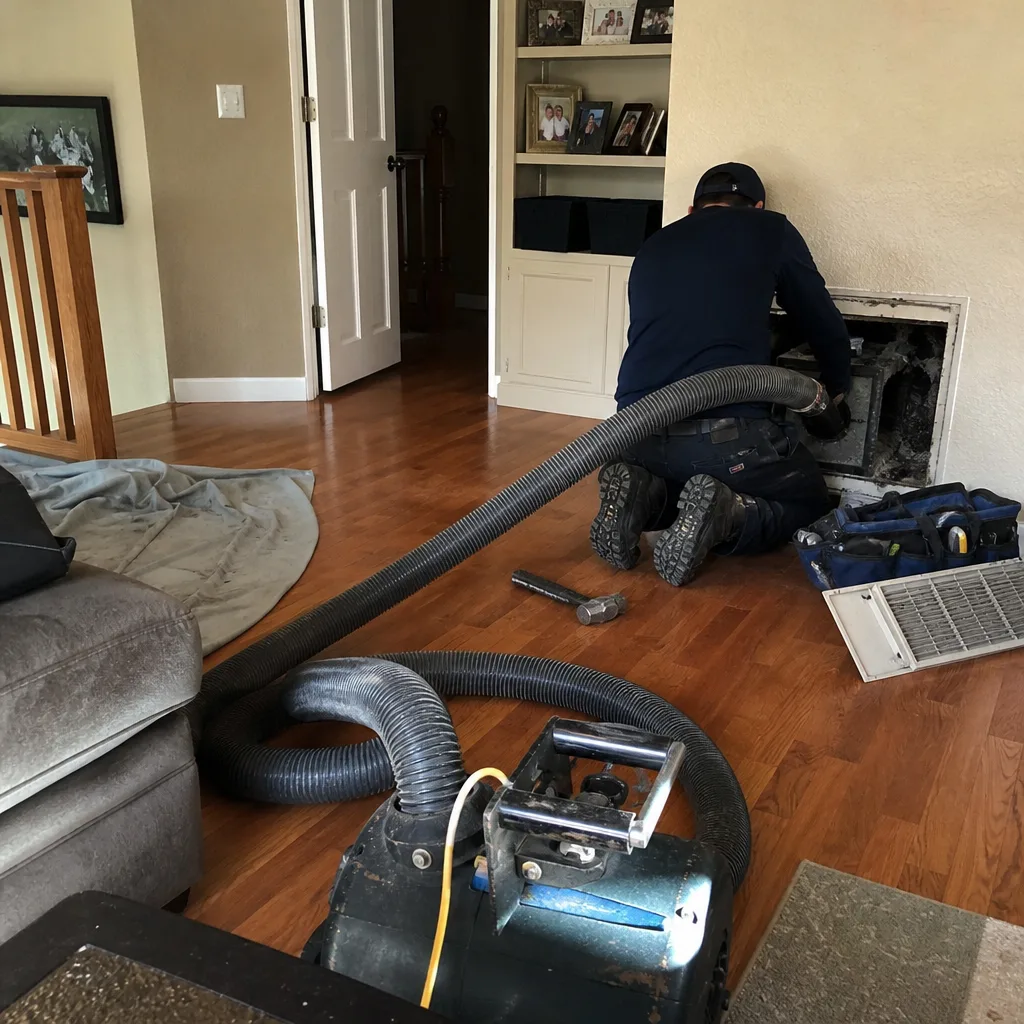 Before
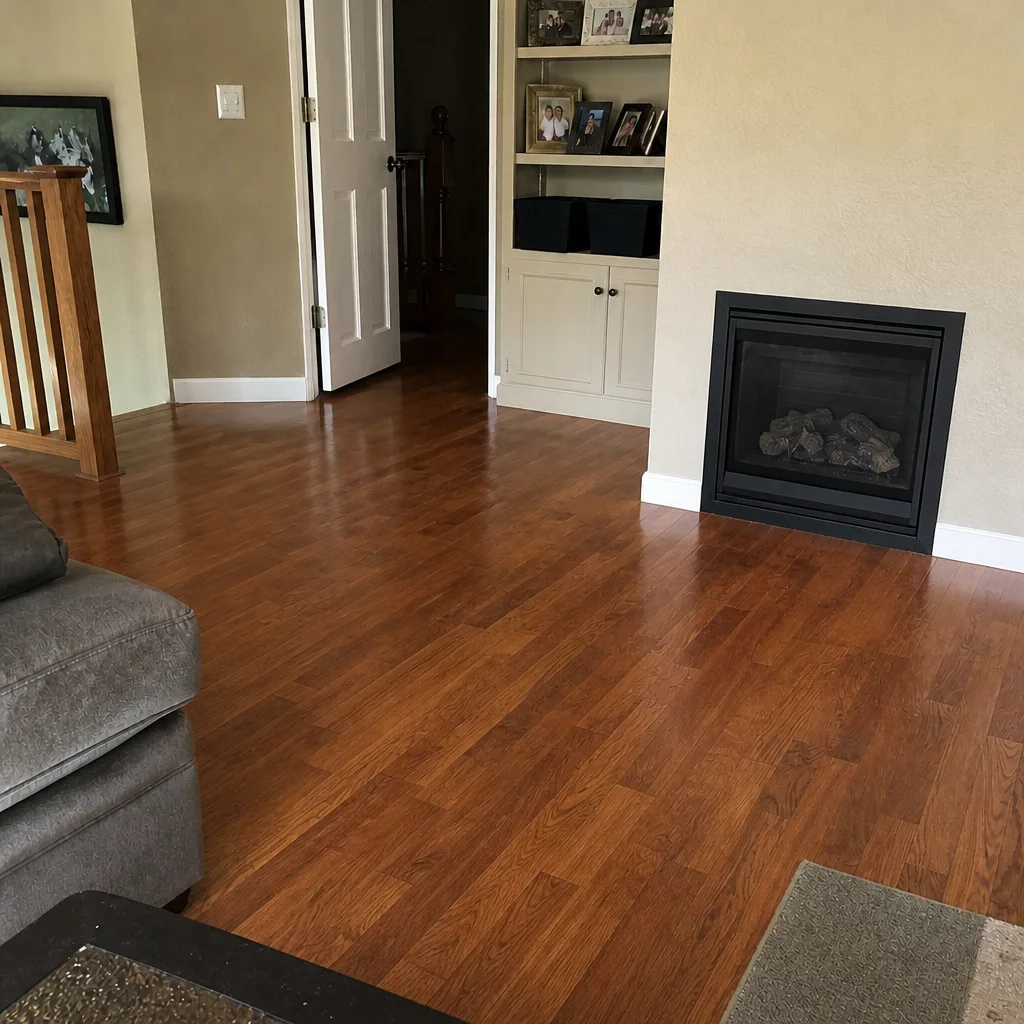 After
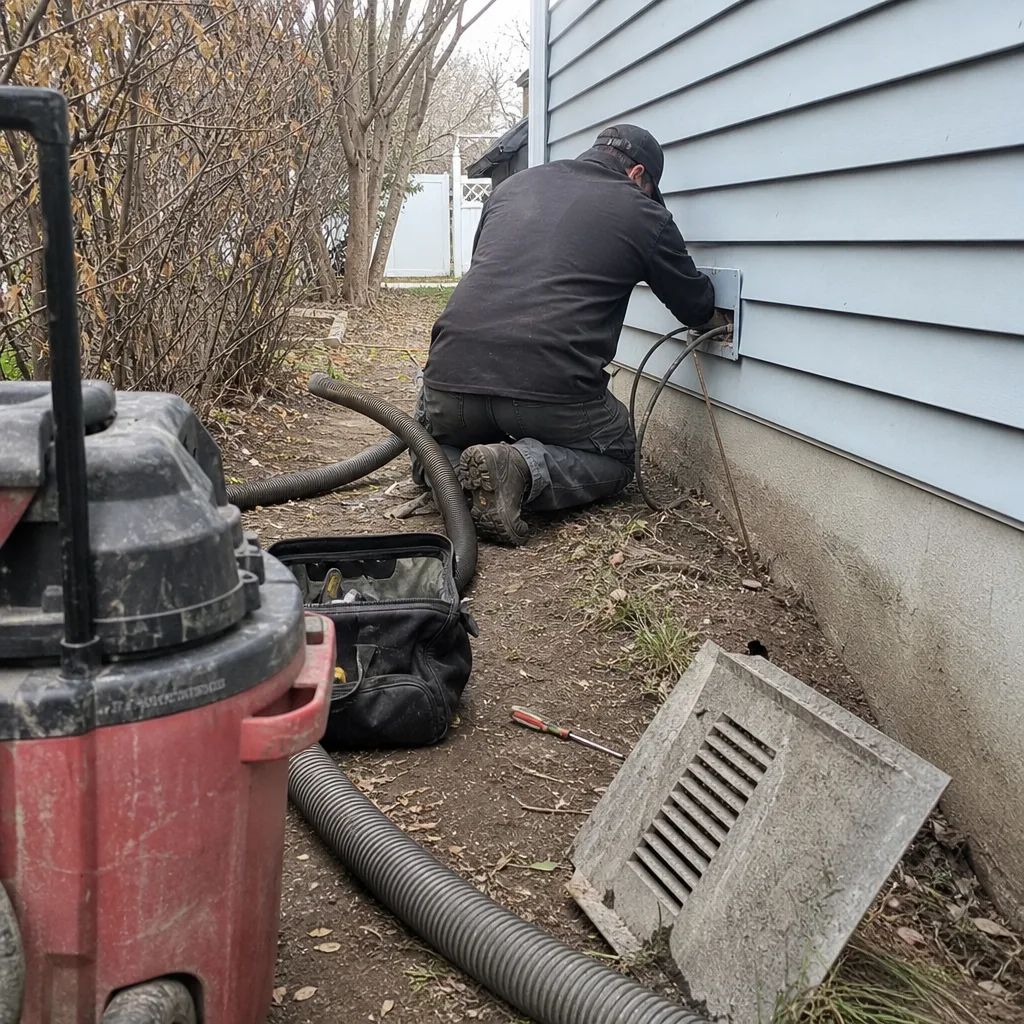 Before
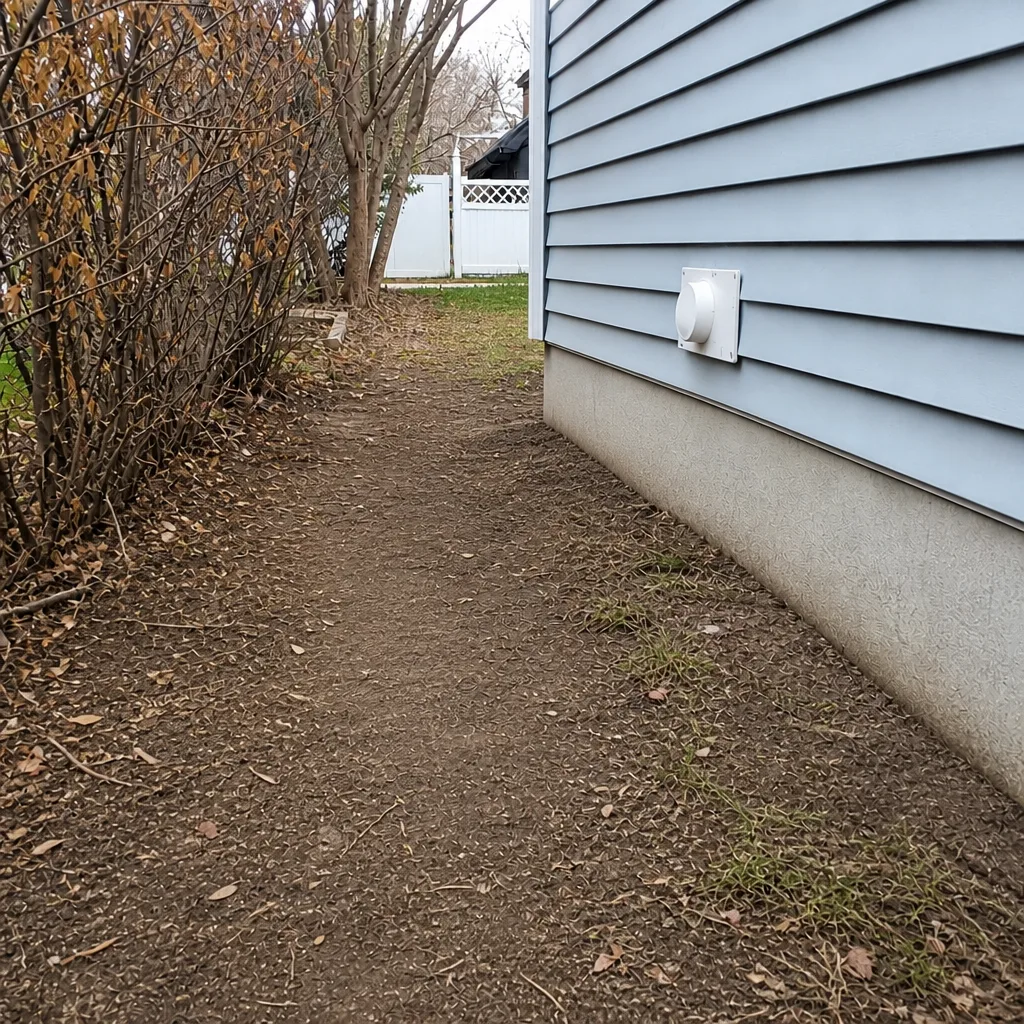 After